
Ghorepani Poonhill Trek
Be the first to review!
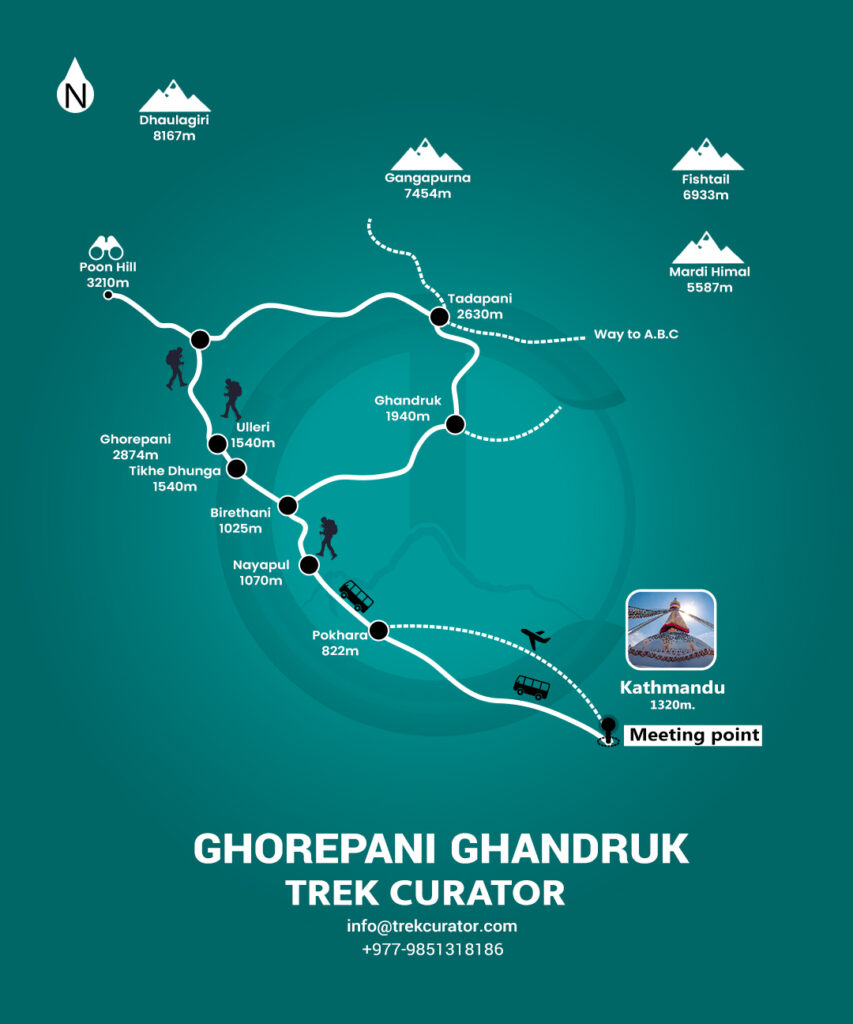
Pokhara → Banthati (drive) → Ghorepani (trek) → Poon Hill (morning hike) → Banthati (trek) → Pokhara (drive)
(can be added this trip as optional to others trek from pokhara)
Overview
Ghorepani Poonhill Trek
Ghorepani Poonhill Trek can be completed in the shortest possible time, taking just 2 days. On the first day, you leave Pokhara early in the morning and drive by jeep to Ulleri or Banthati. From there, you begin the trek and reach Ghorepani the same day.
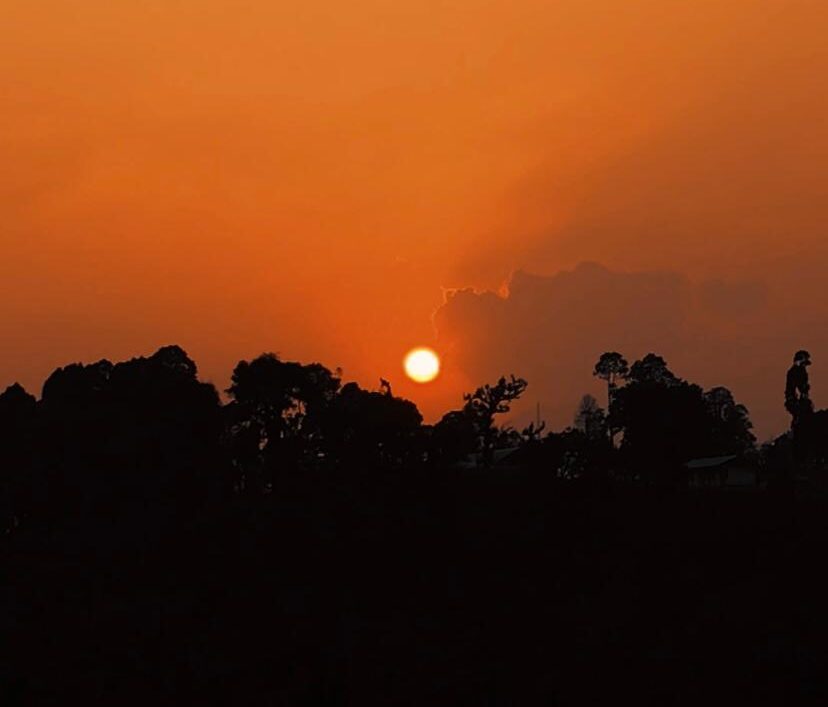
On the second day, around 4:30 AM, carrying warm clothes and a light, you hike up to Poon Hill. From the top, you can witness a stunning 360-degree view of the Himalayas, including two peaks above 8,000 meters and the entire Annapurna range. Watching the golden sunrise as it lights up the snow-covered peaks is a truly magical experience.
After enjoying the sunrise, you return to the hotel for breakfast. Then, you trek back down to Ulleri or Banthati and drive back to Pokhara the same way.
This is a great option for those with limited time to do the Ghorepani Poonhill Trek, made possible thanks to improved road access closer to the trekking route.
Highlights
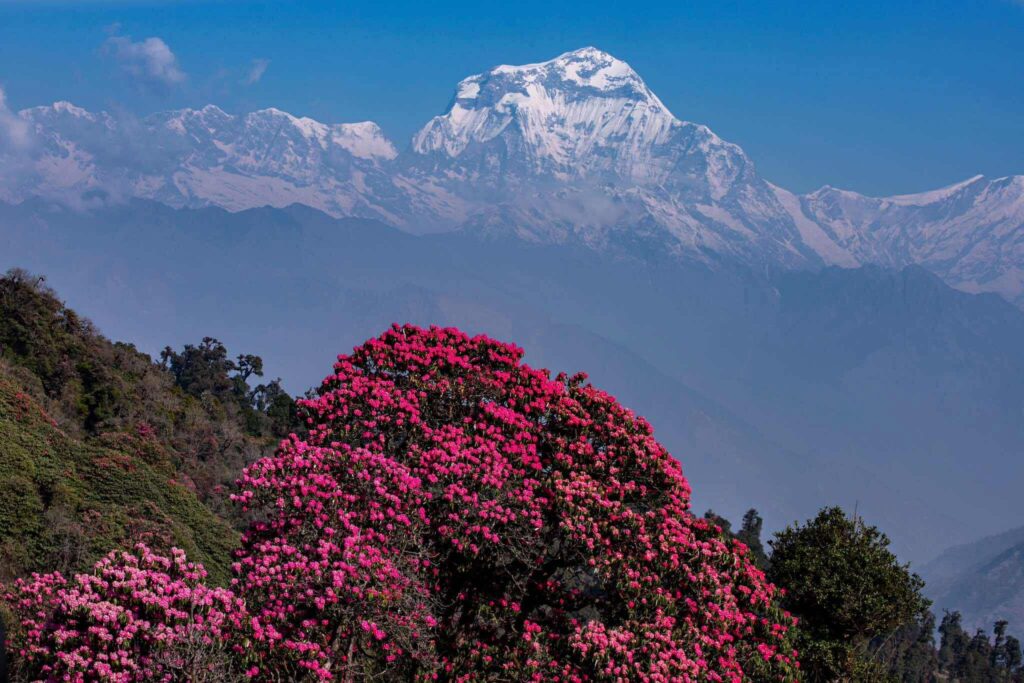
Sunrise at Poon Hill – panoramic views of Annapurna & Dhaulagiri
Rhododendron forests – especially vibrant in spring
Traditional villages – Ghorepani, Tadapani, Ulleri
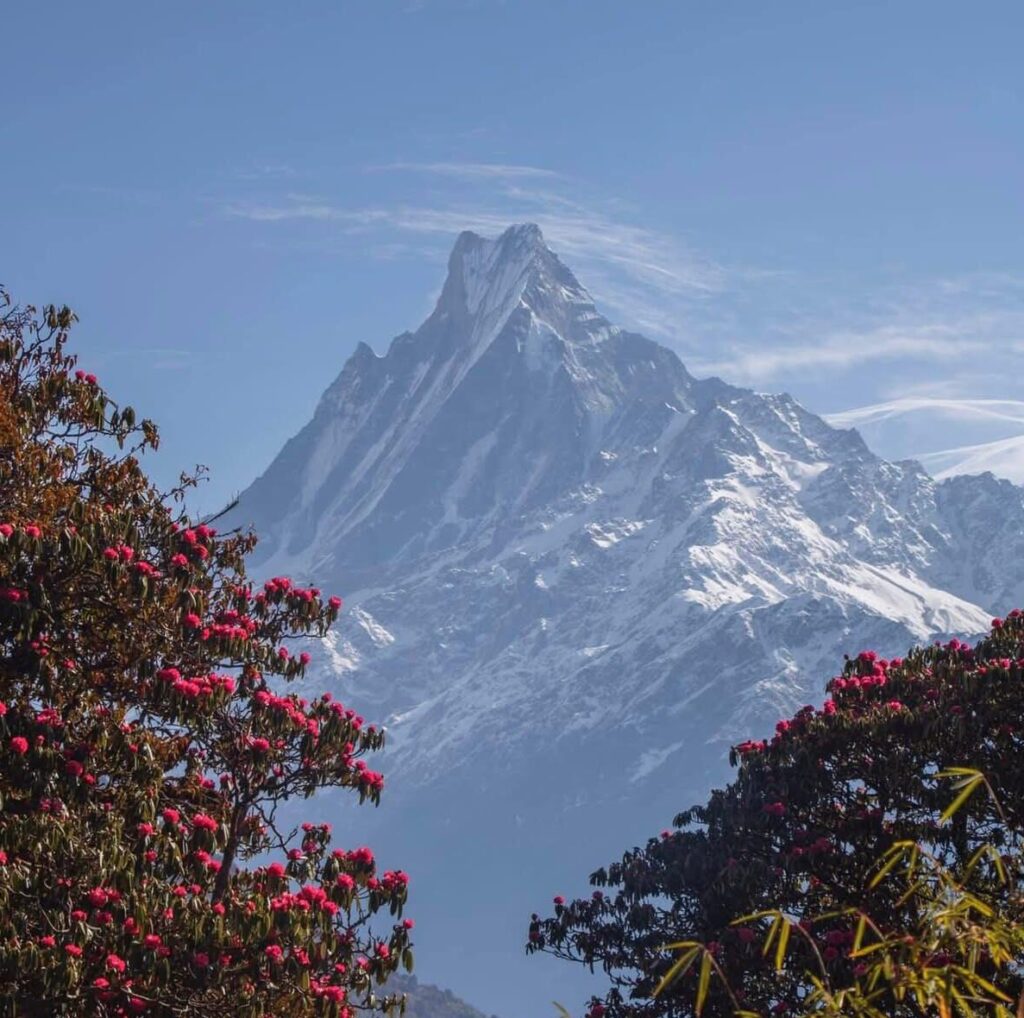
Mountain panoramas along the trail – Machapuchare (Fishtail) & Annapurna South
Tea houses & cultural experiences – local food and village life
✅ What's Included:
✅Transfers (Pokhara – Banthati and Banthati – Pokhara)
✅Accommodation (Teahouses/Lodges during the trek)
✅ Meals (Breakfast, Lunch & Dinner during the trek)
✅ Trekking Permits (ACAP & TIMS)
✅ Professional Guide & Porter (Guide with First Aid Kit)
✅ Annapurna Conservation Area Entry Fees
✅ Emergency Support (Basic First Aid & Oxygen Cylinder)
❌ Price Excludes:
❌ International Flights (To/From Nepal)
❌ Nepal Visa Fees
❌ Personal Expenses (Snacks, drinks, hot showers, Wi-Fi, battery charging)
❌ Kathmandu & Pokhara Hotel / Transfers
❌ Trekking Gear (Personal clothing, boots, trekking poles, etc.)
❌ Tips for Guide & Porter (Customary but not mandatory,
❌ Emergency Evacuation & Helicopter Rescue (If required)
❌ Extra Accommodation Costs (Due to delays, weather, or personal reasons)

Itinerary Overview
Day 1: Drive to Banthati and Trek to Ghorepani
Day 2: Moring Hike to Poon Hill | Trek to Banthati | Drive back to Pokhara
Detail Itinerary
Drive to Banthati, Trek to Ghorepani (2874 M / 9429F)
After having breakfast in Pokhara in the morning, we drive via Naya Pul, passing through beautiful villages and settlements like Hile and Ulleri, until we reach Banthati by vehicle. From there, our trek begins. Surrounded by dense green forests, streams, and the sounds of birds chirping, we gradually ascend uphill to reach Ghorepani—a village so beautiful it feels like a piece of heaven. From there, we find ourselves close to the majestic snow-capped mountains, smiling down at us as if waiting to welcome us. With that, we end the day with joyful conversations and prepare for the next day’s adventure.
Moring Hike to Poon Hill (3210M / 10,530 ) Trek to Banthati and Drive to Pokhara
On the second day—our most important morning—we wake up early and get ready to climb uphill in the chilly dawn. Walking through beautiful trails lined with rhododendrons, we make our way up. As we ascend, we see golden rays of sunlight settling on the hills while the clouds slowly unveil the peaks like lifting a veil. Along with fellow trekkers moving forward, we finally reach Poon Hill.
There, we feel a deep sense of awe as our reflections seem to meet the towering mountains ahead. Soon, the sun rises, transforming the snow-covered peaks from white to golden. People capture the magical moment in photos and videos.
After enjoying the sunrise, we descend back to the hotel, have breakfast, and pack our bags. We walk through the same lush forest trail once more, and as time permits, we even dream of returning someday to follow this route to Annapurna Base Camp. Reaching the point where our jeep awaits, we drive back to Pokhara, ending our beautiful journey.
Additional Information:
Permit and Visa
For the Ghorepani Poonhill Trek, the required permits are the Annapurna Conservation Area Permit (ACAP), which is required for entry into the conservation area. Another is the TIMS Card (Trekkers’ Information Management System), which is mandatory for all trekkers. You can get both of the permits through a registered trekking agency like us. Most nationalities can obtain a tourist visa upon arrival at Tribhuvan International Airport in Kathmandu. An online visa is available through the official Nepal Immigration website for faster processing. Documents that are needed are a valid passport (minimum 6 months validity), passport-size photos, and a visa fee (in USD cash).
Transportation
For the Kathmandu to Pokhara portion, options include a tourist bus (6–8 hrs), a domestic flight (25–30 mins), or a private vehicle. The flight is a bit more expensive but faster and more comfortable than others, whereas a private vehicle, while also expensive, offers flexibility and comfort compared to a local bus. For transport to the starting point, Nayapul, from Pokhara, there are options like a private jeep or local bus (1.5–3 hrs, depending on route). For the return from the trek ending point to Pokhara, local buses or private jeeps can be arranged by the guide/agency. There is no need for transportation during the trek except in case of emergency.
Accommodation and Services
Teahouses are available on this trek, which offer clean, basic rooms with twin beds and shared bathrooms; attached baths are only in limited areas. Meals include set menus; common items include Dal-Bhat, noodles, soups, pancakes, momos, and tea/coffee. Electricity is available in all teahouses, where charging, hot showers, and Wi-Fi may cost additional charges. As the altitude increases, facilities become limited, and prices may increase due to difficulty in transportation.
Best Season
– Autumn (Sept–Nov): Clear skies, stable weather, and best mountain visibility. Peak trekking season.
– Spring (Mar–May): Rhododendron forests in full bloom. Pleasant temperatures and great views.
– Winter (Dec–Feb): Cold mornings and nights with fewer trekkers. Clear views but possible snow at higher elevations.
– Monsoon (Jun–Aug): Heavy rain, leeches, and slippery trails. Not recommended unless experienced or seeking off-season travel.
Booking Policy and Required Documents
Booking for the trip is strongly recommended during peak trekking season to secure accommodation facilities. The booking requires a valid passport copy, travel insurance (must include emergency helicopter evacuation), and passport-size photos for trekking permits. For the confirmation of the trek, a 20–30% deposit is required, and the remaining amount is paid upon arrival in Nepal.
For Booking & Cancellation Policy: click here