Tibet is one of the world’s most extraordinary high-altitude destinations, renowned for its dramatic Himalayan landscapes, ancient monasteries, deeply rooted Buddhist culture, sacred pilgrimage sites, and timeless traditions. Often called the “Roof of the World,” Tibet sits on the vast Tibetan Plateau, surrounded by some of the highest mountains on Earth.
From the spiritual heart of Lhasa to the sacred landscape of Mount Kailash and Lake Mansarovar, and from ancient monasteries to the northern face of Mount Everest, Tibet offers an unforgettable combination of spirituality, adventure, culture, and Himalayan scenery.
At Trek Curator, we help travelers discover Tibet through carefully organized journeys, pilgrimages, cultural tours, and Himalayan adventures.
Lhasa – The Spiritual Heart of Tibet
Lhasa, the capital of Tibet, is one of the most culturally and spiritually significant cities in the Himalayas. Located at a high altitude, the city is home to some of Tibet’s most important religious and historical landmarks.
Lhasa is an ideal starting point for exploring Tibetan culture and preparing for journeys toward higher Himalayan destinations.
Potala Palace
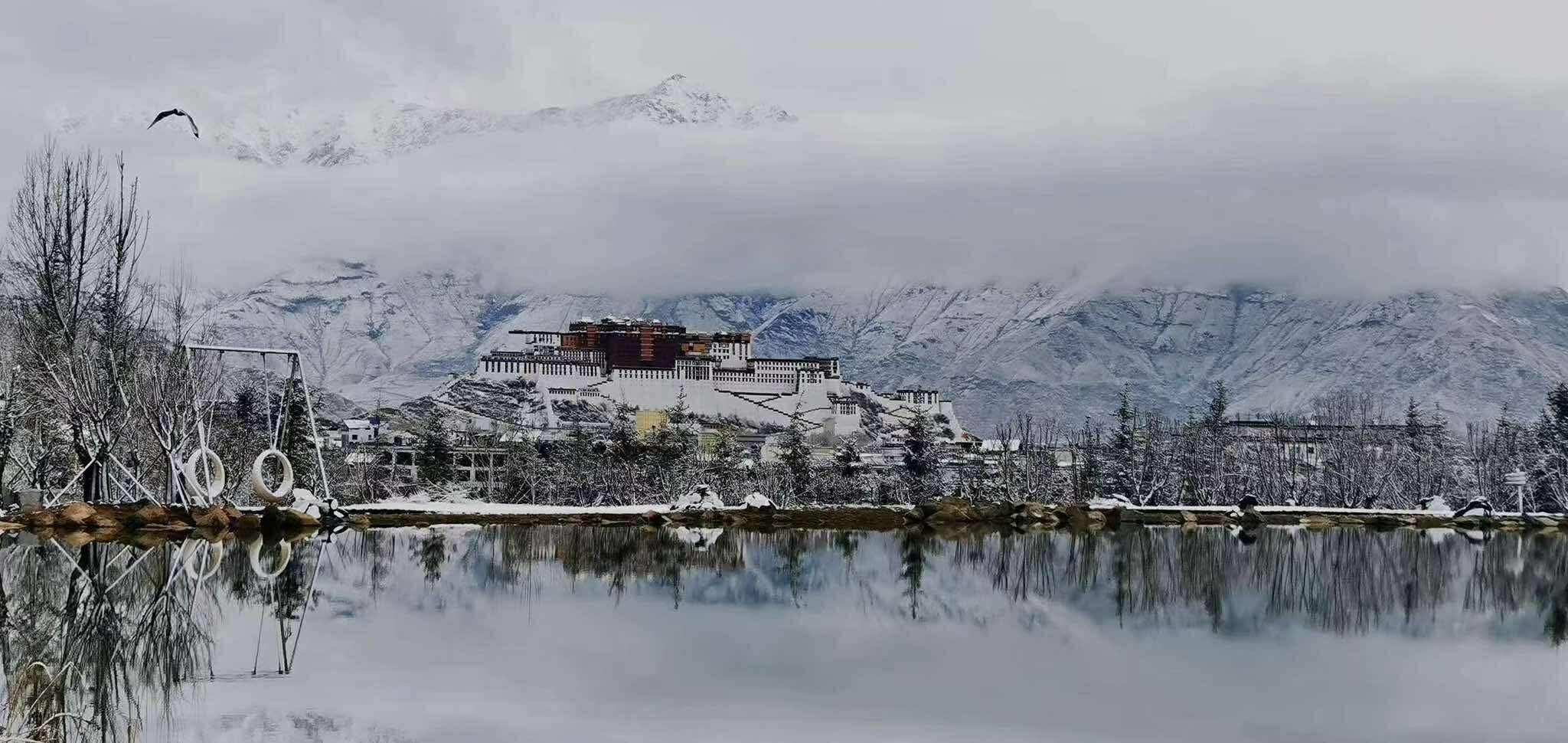
The magnificent Potala Palace is one of Tibet’s most recognizable landmarks. Rising dramatically above Lhasa, the palace has been an important center of Tibetan history, religion, and culture for centuries.
Its distinctive white-and-red architecture, enormous halls, chapels, murals, sculptures, and historical treasures make it one of the highlights of any visit to Lhasa.
Jokhang Temple
Located in the heart of Lhasa, Jokhang Temple is one of the most sacred temples in Tibetan Buddhism. Pilgrims travel from across Tibet and beyond to pray, make offerings, and perform traditional prostrations around the temple.
The surrounding Barkhor Street offers an opportunity to experience traditional Tibetan life, local markets, handicrafts, and the city's spiritual atmosphere.
Sera and Drepung Monasteries
Lhasa is also home to important monastic institutions such as Sera Monastery and Drepung Monastery. Visitors can discover Tibetan Buddhist traditions, monastic architecture, religious art, and the unique cultural heritage preserved within these historic monasteries.
Mount Kailash – The Sacred Mountain
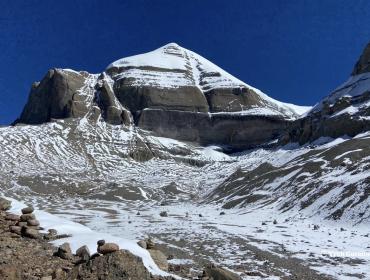
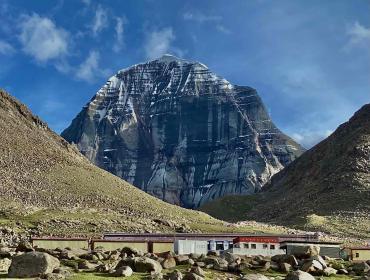
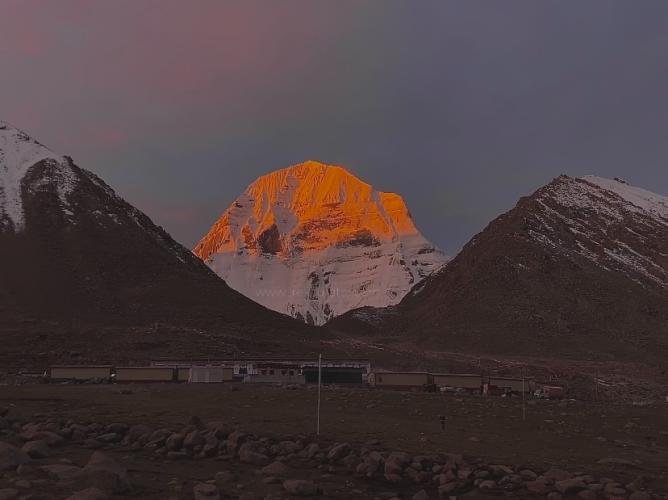
Mount Kailash is one of the most sacred mountains in Asia and holds profound spiritual importance for followers of Hinduism, Buddhism, Jainism, and the Bon tradition.
Standing at approximately 6,638 meters, Kailash is located in the remote southwestern region of Tibet. Its distinctive shape and isolated surroundings have made it one of the most mysterious and revered mountains in the Himalayas.
Mount Kailash is not simply a destination for travelers. For millions of devotees, it is a sacred center of faith and pilgrimage.
Kailash Parikrama / Kora
The pilgrimage around Mount Kailash is known as Kora or Parikrama. Pilgrims walk around the sacred mountain while praying and following centuries-old traditions.
One of the most challenging sections of the Kora is the crossing of Dolma La Pass, which reaches approximately 5,630 meters. The journey is physically demanding but deeply meaningful for pilgrims.
The route passes through dramatic Himalayan landscapes, sacred sites, glaciers, valleys, and high-altitude terrain.
Lake Mansarovar
Located near Mount Kailash, Lake Mansarovar is one of the most sacred lakes in the Himalayas.
Its clear waters, surrounding mountains, and peaceful atmosphere create a remarkable spiritual landscape. For Hindu pilgrims, Mansarovar is deeply connected with religious traditions and is considered a sacred place for prayer, meditation, and pilgrimage.
The combination of Mount Kailash, Lake Mansarovar, and the surrounding Himalayan wilderness makes this region one of the world’s most remarkable pilgrimage destinations.
Kailash Mansarovar Yatra
The Kailash Mansarovar Yatra is a once-in-a-lifetime pilgrimage for many travelers. The journey combines spirituality, adventure, high-altitude landscapes, Tibetan culture, and ancient pilgrimage traditions.
Depending on the route and current regulations, travelers may journey through Tibet by road or take specialized aerial or alternative approaches.
A typical pilgrimage experience may include:
- Lhasa
- Shigatse
- Saga
- Lake Mansarovar
- Mount Kailash
- Yam Dwar
- Kailash Kora
- Dolma La Pass
- Zuthulphuk
- Tibetan monasteries and villages
Trek Curator can assist with itinerary planning, transportation, accommodation, permits, guides, border arrangements, and other essential travel logistics.
Everest Base Camp – Tibet Side
Tibet provides a spectacular alternative perspective of Mount Everest, known locally as Mount Qomolangma.
The Tibetan side of Everest offers dramatic views of the world’s highest mountain and access to the Everest Base Camp on the north side.
Unlike the classic trekking approach from Nepal, the Tibetan Everest experience can be accessed by road, making it an attractive option for travelers who want to experience the Everest region without undertaking a long trekking itinerary.
The journey to Everest Base Camp Tibet takes travelers through vast Tibetan plateaus, high mountain passes, remote villages, monasteries, and spectacular Himalayan scenery.
Rongbuk Monastery
Near the Tibetan Everest Base Camp is Rongbuk Monastery, one of the highest monasteries in the world. The monastery provides an extraordinary view toward Mount Everest and is an important cultural and spiritual landmark of the region.
Standing in the Everest landscape, surrounded by immense mountains and glaciers, is an unforgettable experience.
Tibetan Culture & Traditions
Tibet is renowned for its unique cultural heritage, shaped by Tibetan Buddhism, the Bon tradition, ancient trade routes, nomadic communities, and life in the high Himalayas.
Travelers can experience:
- Tibetan Buddhist monasteries
- Prayer flags and prayer wheels
- Traditional festivals
- Local markets
- Tibetan handicrafts
- Monastic traditions
- Traditional architecture
- Nomadic lifestyles
- Himalayan cuisine
- Ancient pilgrimage practices
Every journey through Tibet provides an opportunity to learn about a culture that has developed over centuries in one of the world’s most challenging environments.
Tibetan Monasteries
Monasteries are an important part of Tibetan culture and travel. They are places of worship, learning, meditation, art, and community life.
Depending on your itinerary, you may visit historic monasteries around Lhasa, Shigatse, Kailash, and the Everest region.
The architecture, murals, statues, prayer halls, and religious traditions offer a fascinating insight into Tibetan civilization.
Tibetan Plateau & Himalayan Landscapes
The Tibetan Plateau is one of the highest and largest plateaus on Earth. Its enormous landscapes feature snow-covered mountains, turquoise lakes, wide valleys, grasslands, glaciers, and remote settlements.
Traveling across Tibet can feel like entering another world, with long stretches of open landscape and some of the most dramatic mountain scenery in Asia.
The region is home to numerous important Himalayan peaks, including Mount Everest, Mount Kailash, Shishapangma, Cho Oyu, and many other spectacular mountains.
Shigatse – The Gateway to Western Tibet
Shigatse is one of Tibet’s most important cities and a major stop on many journeys toward Mount Everest and Mount Kailash.
The city is famous for Tashilhunpo Monastery, one of Tibet’s most important monasteries. Shigatse also provides an opportunity to experience Tibetan culture before continuing toward the remote Himalayan regions.
Gyantse & Tibetan Heritage
Gyantse is another historically important Tibetan town known for its traditional architecture and religious heritage.
The famous Pelkor Chode Monastery and Gyantse Kumbum are among the highlights of the region, offering visitors an opportunity to discover Tibetan religious art and history.
High-Altitude Travel in Tibet
Traveling through Tibet requires preparation because many destinations are located at very high elevations.
Travelers should allow sufficient time for acclimatization, stay hydrated, avoid unnecessary physical exertion during the first days at altitude, and follow the instructions of their guide and local authorities.
For high-altitude journeys such as Kailash Mansarovar and Everest Base Camp Tibet, proper preparation is particularly important.
Best Time to Visit Tibet
The ideal travel period depends on the destination and type of journey.
Generally, spring through autumn offers favorable conditions for many Tibet journeys, while conditions can vary considerably between Lhasa, Everest, and the Kailash region.
For Kailash Mansarovar and high-altitude pilgrimage routes, the operating season is particularly dependent on weather, road conditions, permits, and local regulations.
Trek Curator can recommend the most suitable travel period based on your chosen itinerary.
Why Travel with Trek Curator?
At Trek Curator, we specialize in Himalayan travel and create carefully organized journeys for international travelers.
Our Tibet services can include:
- Tibet tour planning
- Kailash Mansarovar Yatra
- Lhasa cultural tours
- Potala Palace visits
- Everest Base Camp Tibet journeys
- Transportation arrangements
- Accommodation
- Local guides
- Permits and required documentation
- Border arrangements
- High-altitude travel support
- Customized itineraries
- Group and private journeys
Our goal is to make your Himalayan journey well organized, comfortable, meaningful, and memorable.
Experience Tibet with Trek Curator
Whether your dream is to stand before the Potala Palace in Lhasa, walk beside the sacred waters of Lake Mansarovar, complete the Kailash Kora, witness Mount Everest from the Tibetan side, or explore the ancient monasteries and landscapes of the Tibetan Plateau, Trek Curator can help you turn that dream into a journey.
Tibet is more than a destination — it is an experience of mountains, spirituality, culture, and timeless Himalayan landscapes