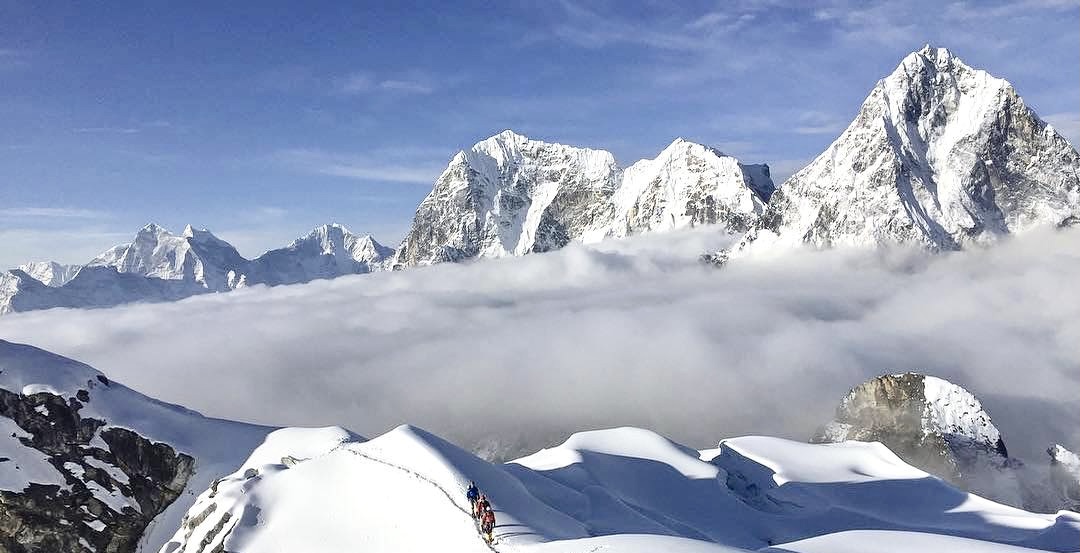
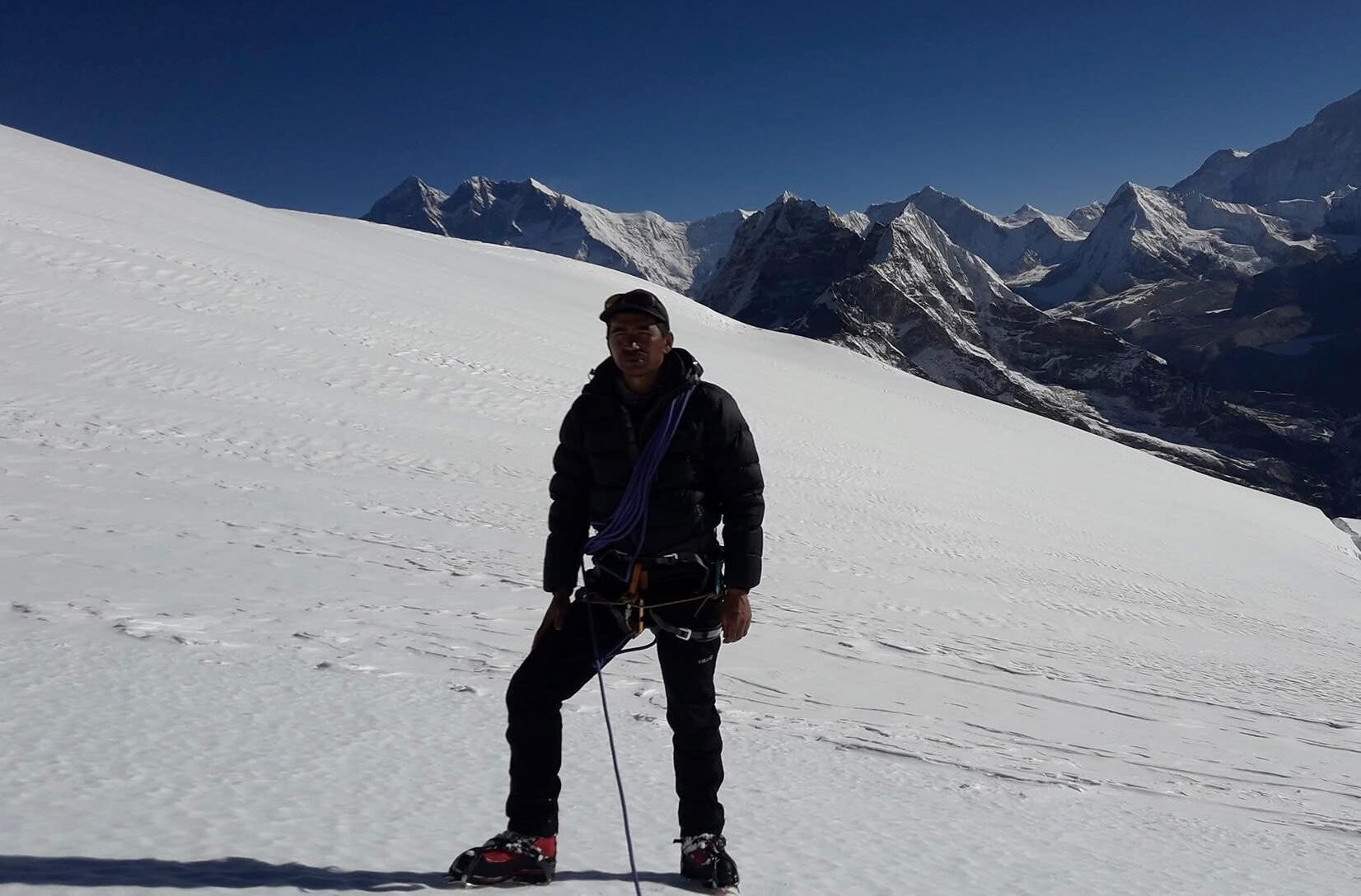
The Island Peak climbing trek takes you on an exciting journey to Island Peak, located in the stunning Khumbu region of Nepal. Also known as Imja Tse, this peak rises to an altitude of 6,189 meters (20,305 feet) and offers a perfect blend of trekking and moderate mountaineering. The route winds through the iconic landscapes of the Everest region, including the breathtaking Sagarmatha National Park. As part of the majestic Himalayan massif, Island Peak boasts spectacular views of Mount Everest, Lhotse, Nuptse, Ama Dablam, and Makalu. Nestled near base camp, the trek allows for both cultural enrichment and natural exploration, featuring glaciers, high-altitude lakes like Imja Tsho, and impressive mountain ridges. The region is culturally vibrant, home to traditional Sherpa villages, monasteries, and a rich Buddhist heritage. This climbing trek combines high-altitude trekking with technical climbing challenges, glacier navigation, and astonishing vistas of the Himalayas.
The Island Peak climbing trek offers a unique mix of trekking and mountaineering adventure in the Everest region, allowing close encounters with towering peaks and authentic Sherpa culture. As it tends to be less crowded than the Everest Base Camp trek alone, it still includes EBC as one of its highlights. This journey is perfect for those in search of a physically demanding challenge, seeking a rewarding summit experience, all while enjoying the guidance of experienced professionals. Moreover, the trek is easily accessible via a flight to Lukla, with well-maintained paths, making it a convenient choice. In essence, this trek provides a once-in-a-lifetime mountaineering experience without the need for extreme technical skills.
Day 1: Arrival at Kathmandu & transfer to hotel (1,330m)
Day 2: Fly to Lukla (2,800m) then trek to Phakding (2,652m) 4-5 hrs
Day 3: Trek to Namche Bazaar (3,440m) 5-6 hrs
Day 4: Acclimatization Day
Day 5: Trek to Tengboche (3,870m) 5-6 hrs
Day 6: Trek to Dingboche (4,460m) 5-6 hrs
Day 7: Acclimatization day at Dingboche
Day 8: Trek to Lobuche (4,900 m) 5-6 hrs
Day 9: Trek to Gorak shep (5,180m) trek to EBC (5,364m) & overnight stay at Gorekshep 7-8 hrs
Day 10: Early Moring Hike to Kalapatthar (5,550m) at sunrise & trek to Lobuche (4,900 m) 7-8 hrs.
Day 11: Trek from Lobuche to Kongma La (5,535m) to Chhukung (4,730m) 7-8 hrs
Day 12: Trek to Island Peak base camp (5,200m) 4-5 hours.
Day 13: Island Peak base Camp to Summit Island Peak summit (6,189m), back to Chhukung 10-12 hrs
Day 14: Trek from Chhukung to Namche Bazaar (3,440m) 6-7 hrs
Day 15: Trek to Lukla (2,800m) 6-7 hrs
Day 16: Fly back to Kathmandu (1,330m).
Day 17: Final Departure
Upon landing at Tribhuvan International Airport, you’ll be warmly greeted by our representative bearing a traditional garland. We’ll assist you with your transfer to the hotel for check-in. After a chance to refresh and unwind from your flight, you can spend your free time exploring the vibrant Thamel area, dotted with shops, cafés, and restaurants, or simply take a leisurely walk nearby. We’ll provide a brief overview of trek permits, gear, and the itinerary, and address any questions you might have. If you need any equipment, Thamel has plenty of options for purchasing or renting gear. In the evening, consider dining at one of the cultural restaurants to sample authentic Nepali cuisine and experience the local culture. You’ll spend the night in Kathmandu.
After breakfast, get ready for your flight to Lukla. This stunning 20 to 30-minute flight will take you over breathtaking mountain views and lush landscapes. Once in Lukla, take some time to explore the village before kicking off your trek to Phakding. The descent mainly follows the Dudh Kosi River, so take it slow and allow your body to adjust to the altitude. The trail is relatively easy, featuring forest paths, rocky sections, and picturesque views of the river and surrounding nature. After about 4 to 5 hours of trekking, you’ll arrive in Phakding, passing through quaint villages, under vibrant prayer flags, and over suspension bridges. Overnight in Phakding.
Your journey continues as you trek from Phakding to Namche Bazaar, entering the Sagarmatha National Park. Along the way, you’ll cross several suspension bridges spanning rivers like the Bhote Kosi and Dudh Kosi. The route takes you through charming villages such as Monjo and Jorsale, offering frequent opportunities to rest and take in the stunning mountain vistas while spotting yaks and local wildlife. The trek involves a challenging climb of about 5 to 6 hours through varied terrain. Upon reaching Namche Bazaar, you can explore the lively Sherpa market and local shops.
This day is crucial for acclimatizing to the altitude. You’ll spend the day in Namche Bazaar, undertaking short hikes to help your body adjust. In the morning, consider a visit to the Everest View Hotel (3,880m) and Syangboche. Additionally, you can explore the Sherpa Culture Museum and a nearby monastery. Remember to focus on resting and staying hydrated while enjoying breathtaking views of Everest, Lhotse, and Ama Dablam. It’s wise to steer clear of strenuous activities since the risk of altitude sickness increases above 3,500m.
Get an early start for your trek to Tengboche after breakfast. The path winds through enchanting pine and rhododendron forests. You’ll also pass by Pangboche village, where you can visit the historic Pangboche Monastery, the oldest in the Khumbu region. After approximately 5 to 6 hours of trekking, you’ll arrive at Tengboche, home to the renowned Tengboche Monastery, celebrated for its stunning architecture and awe-inspiring mountain views. If time allows, you can observe the prayers at the monastery. In the evening, take in a breathtaking sunset with spectacular views of Ama Dablam. Overnight in Tengboche.
Today, you’ll embark on an early morning trek to Dingboche. The trail follows the Imja Khola valley, leading through picturesque forests and past mani walls. You’ll encounter small villages along the way, tackled mainly on rocky, uphill paths and moraine fields. After 5 to 6 hours of trekking, you’ll reach Dingboche, a high-altitude village embraced by towering peaks. While exploring the village is an option, it’s best to focus on resting to acclimatize effectively. Overnight in Dingboche.
Today is also dedicated to acclimatization, so you’ll remain in Dingboche. Enjoy short hikes to Chhukung Ri (5,050m) or Nagarjun Hill. Practicing walking on rocky and snowy terrain today will aid your skills for peak climbing later. Fuel up on high-carb meals and stay hydrated to fend off altitude sickness. The stunning mountain landscapes and glaciers visible from Dingboche are a sight not to be missed.
Today, your trek from Dingboche to Lobuche takes you past Thukla, a memorial site dedicated to climbers who have lost their lives in the region. The trail consists of rocky paths and moraine fields, with scenic views of Pumori, Nuptse, and the Khumbu Glacier. Maintaining a slow and steady pace today is key to avoiding fatigue at high altitudes. After about 5 to 6 hours of trekking, you will reach Lobuche, where you’ll spend the night.
Kick off your day with an early trek from Lobuche to Gorak Shep, the highest settlement in the region. Along the way, you’ll have the chance to catch a glimpse of the Khumbu Icefall from a distance. Once you reach Gorak Shep, continue to Everest Base Camp, where you can snap some iconic photos at the foot of Everest. Afterwards, make your way back to Gorak Shep for an overnight stay. The trail consists mainly of rocky moraine and glacial debris, and the trek will take approximately 7 to 8 hours. Overnight stay will be in Gorak Shep.
Rise early for a pre-dawn hike to Kala Patthar, where you’ll be rewarded with breathtaking sunrise views of Everest and the surrounding peaks before enjoying breakfast. Be sure to bring a headlamp, warm clothing, and plenty of water for this early trek. After soaking up the views, return to Gorak Shep for breakfast before trekking back to Lobuche. This day’s trek will also take about 7 to 8 hours. You’ll spend the night in Lobuche.
Begin your day with a trek to the challenging Kongma La Pass, characterized by rocky and icy trails. As you push on, you’ll be treated to stunning views of Island Peak, Baruntse, and Ama Dablam. After crossing the pass, descend into Chhukung, where you’ll rest for the day. This trek calls for stamina on the steep, high-altitude trails and will take about 7 to 8 hours. Using trekking poles, taking regular breaks, and staying hydrated will help you along the way.
Today, enjoy a shorter trek to Island Peak Base Camp, bringing you closer to the summit. The hike will take approximately 4 to 5 hours along trails of moraine, glacier debris, and moderate climbs. At base camp, prepare your gear for the summit attempt, including crampons, ropes, a harness, and an ice axe. Remember to rest, hydrate, and fuel up on high-carb meals. Get to bed early, as the summit climb starts before dawn. You’ll spend the night in a tent, with meals prepared by our staff.
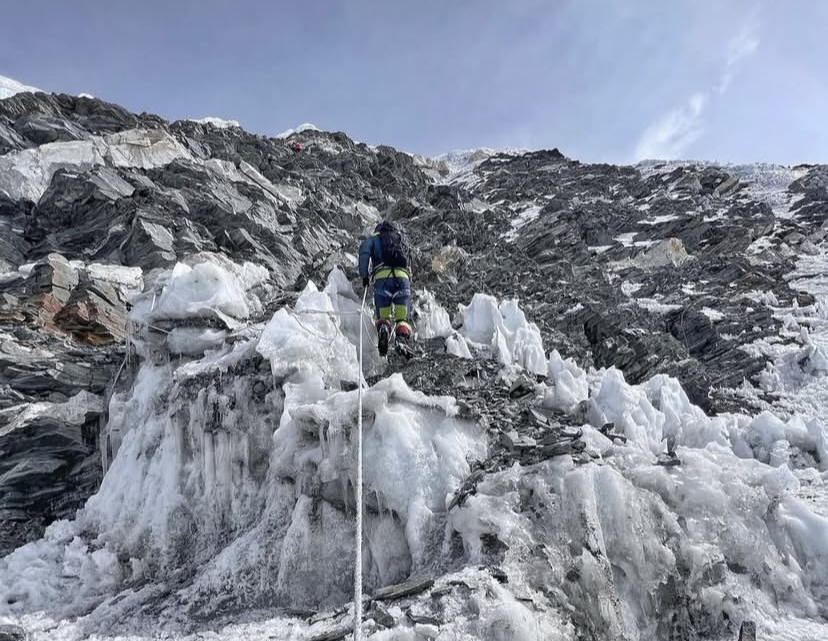
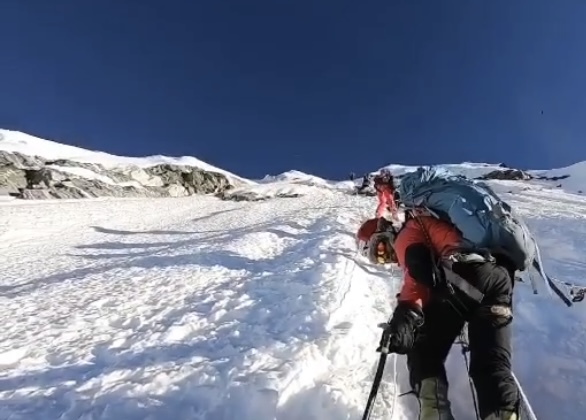
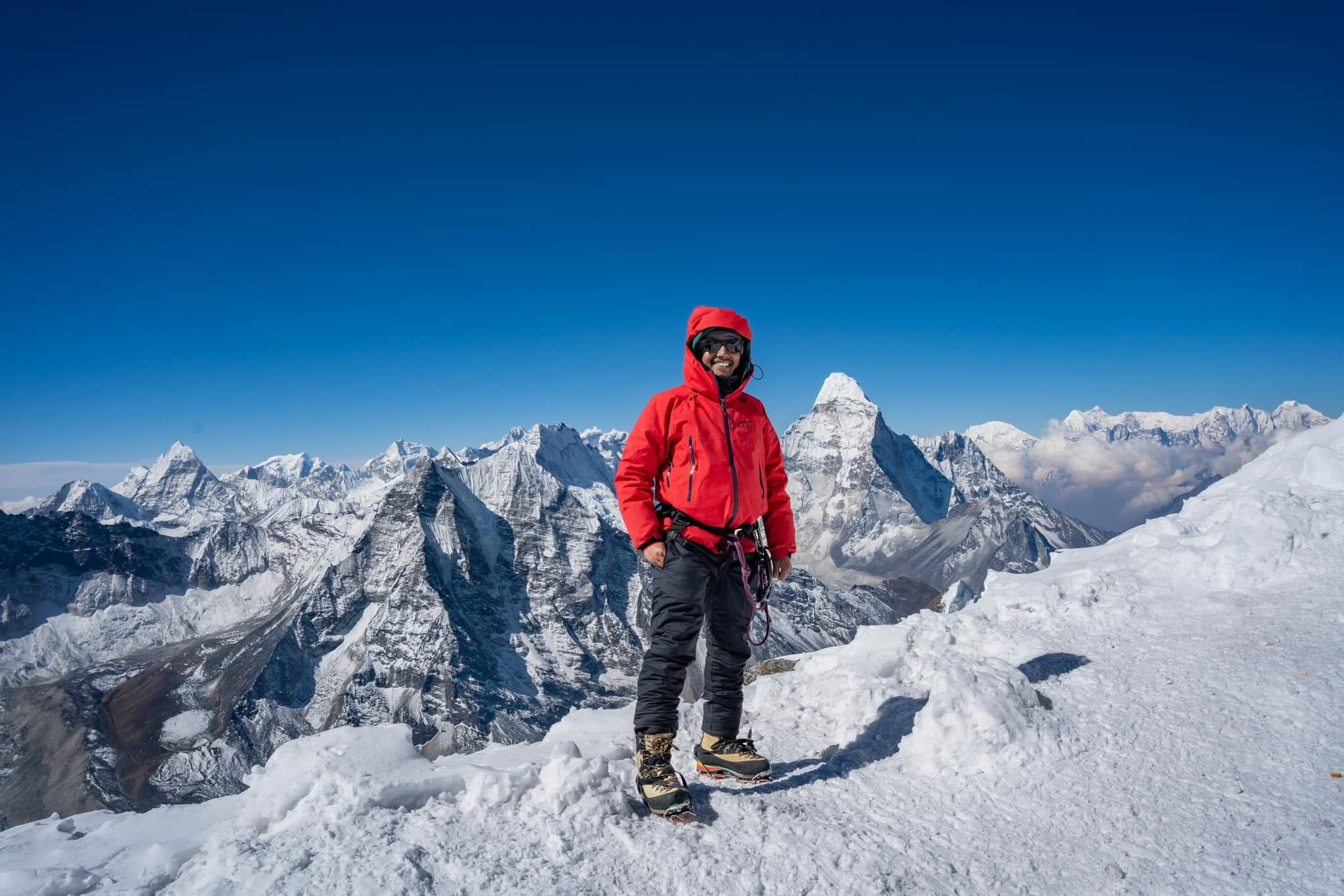
This is the big day! You’ll set off to summit Island Peak, returning to Chhukung afterwards. Begin the ascent early in the morning, around 2 or 3 a.m. Using crampons and an ice axe, you’ll tackle the glacier and snow slopes. Once you reach the summit, be sure to take in the 360° views of Everest, Lhotse, Ama Dablam, and Makalu. After soaking in the sights, begin your descent back to base camp and then down to Chhukung. Throughout the journey, pace yourself and keep an eye out for altitude sickness, as the weather can shift rapidly. You’ll spend the night in Chhukung.
On this day, you’ll retrace your steps back to Namche Bazaar. Descend through the Imja Khola valley, passing by the villages of Dingboche and Tengboche while enjoying the lush forest and stunning mountain scenery. After a 6 to 7-hour trek, you’ll arrive in Namche Bazaar. If you didn’t get a chance earlier, you can explore the local shops and enjoy the charming village atmosphere. Celebrate your summit success here by picking up some souvenirs or local handicrafts.
From Namche Bazaar, it’s time to descend back to Lukla, marking the last trekking day of your journey. As you navigate the trail, you’ll pass through villages, cross suspension bridges, and walk amidst forests. After about 6 to 7 hours, you’ll reach Lukla, where you can take some time to explore the village, checking out local shops and crafts. Celebrate the completion of your trek here with a sense of achievement. Overnight stay will be in Lukla.
Today, you’ll take a scenic flight back to Kathmandu, which lasts about 30 minutes and offers views of mountain hills, forests, and villages. Once you arrive in Kathmandu, take a moment to rest before you have the option for city sightseeing at places like Pashupatinath, Boudhanath, or Kathmandu Durbar Square. Be sure to pack up and organize your documents ahead of time, ensuring everything is in order. Keep in mind that flights may be delayed due to weather, so maintain a flexible schedule. You’ll enjoy a farewell dinner in a cultural restaurant featuring local cuisine and culture in Kathmandu, with an overnight stay in the city.
On your final day, check out of the hotel according to your flight schedule. Our representative will assist you in transferring to the airport for your departure. Take a moment to grab any final memories, such as handmade crafts or souvenirs. Reflect on the incredible journey you’ve experienced, making beautiful memories and unforgettable moments as you head home.
This trek spans 17 days and is deemed challenging due to the high-altitude trekking, glacier climbing, and crevasse navigation involved. A strong fitness level is essential, and prior experience above 4,000 meters is beneficial. While some basic mountaineering experience can be helpful, it is not mandatory, as guide support is provided throughout.
For climbers heading to Island Peak, you’ll need a few permits: the Island Peak Climbing Permit from the Nepal Mountaineering Association (NMA), alongside the local permits, which include the Sagarmatha National Park Entry Permit and the Khumbu Pasang Lhamu Rural Municipality Permit. These permits can be easily obtained through registered trekking agencies, such as ours. Most travelers can conveniently acquire a tourist visa upon arrival at Tribhuvan International Airport in Kathmandu. For quicker processing, an online visa can be obtained through the official Nepal Immigration website. Ensure you bring a valid passport (with at least 6 months of validity), passport-size photos, and the visa fee in cash (USD).
Your journey will kick off with a flight from Kathmandu to Lukla, marking the starting point of your trek. During the tour, private vehicles will be provided. Be aware that flights may be rerouted to Ramechhap Airport during busy seasons due to air traffic, and schedules often depend on weather conditions, which can result in delays. Transportation is not required during the trek itself.
While trekking, you’ll stay in basic lodges featuring twin-sharing rooms. Meals will include a mix of Nepali and international cuisine. Hot showers, electricity, and Wi-Fi are available, though there’s an extra charge for these services. At the high camp, accommodation will consist of tents provided by the climbing organizers. We’re committed to ensuring that our support staff prepares meals, and we will set up sleeping tents, dining tents, and toilet tents for your convenience.
Spring (March–May) offers stable weather, clear skies, and warmer temperatures, making it the perfect time for climbing with higher success rates. The autumn months (September–November) provide excellent visibility and mild temperatures, attracting many trekkers due to the more favorable conditions. Winter (December–February) presents harsher cold and heavy snow, making it challenging but not impossible with the right preparation. The monsoon season (June–August) brings wet trails and frequent rain, so it’s generally not recommended for trekking.
We highly recommend booking your trip in advance during the peak trekking season to secure your accommodation. To complete your booking, you’ll need to submit a valid passport copy, travel insurance that covers emergency helicopter evacuation, and passport-size photos for your trekking permits. A deposit of 20-30% is required to confirm your trek, with the balance due upon arrival in Nepal. Please refer to our cancellation policy for more details.
Be aware that altitude sickness can become a concern above 3,000 meters, so it’s crucial to acclimatize properly and stay well-hydrated. Keeping the contact numbers of local guides and your travel agency handy can be very helpful. In emergencies, helicopter evacuation is available from Gorakshep, Pheriche, and Lukla, but ensure your travel insurance covers this service. Basic health posts can be found in villages, while advanced hospitals in Kathmandu cater to more serious cases. If you start experiencing headaches, nausea, or dizziness, please inform your guide immediately.

Essential gear for comfort, warmth, and safe trekking at altitude.
Verified guest feedback collected from Tripadvisor and Google Reviews.