The Bardia Jungle Safari offers a distinctive combination of wildlife exploration, cultural experiences, and breathtaking river panoramas. Bardia National Park, renowned for its rich biodiversity and minimal human interference. Nestled in the western Terai region of Nepal, the park covers over 968 square kilometer Annapurna Regions, with altitudes ranging from 150 to 1,000 meters. This area is characterized by pristine forests, grasslands, and riverine habitats that provide a subtropical climate. Home to over 400 bird species, Bardia is a birdwatcher’s paradise and shelters endangered creatures like Bengal tigers, one-horned rhinoceroses, and wild elephants, alongside a wealth of diverse birdlife. The park is also steeped in culture, being the homeland of the indigenous Tharu people, who share a profound connection with the forests.
Bardia Jungle Safari provides an unspoiled and less touristy alternative compared to Nepal’s more popular parks. With its high biodiversity and dedicated conservation efforts, visitors can enjoy exceptional wildlife viewing opportunities. Also, interacting with the Tharu community enriches the experience, offering deeper insight into local life. Additionally, the variety of safari formats—jeep, walking, and canoe caters to diverse interests, allowing for close-up encounters with wildlife. The safari is flexible throughout the year and especially well-suited for photographers, nature enthusiasts, families, and anyone looking for a tranquil wildlife retreat getaway.
"Book your Bardia Jungle Safari today and experience the thrill of Nepal’s untouched wilderness up close!"
Day 1: Flight from Kathmandu to Nepalgunj
Day 2: Full Day Jungle Safari in Bardia National Park
Day 3: Departure
Begin your adventure by traveling to Tribhuvan International Airport for a breathtaking domestic flight to Nepalgunj, lasting about an hour. Enjoy stunning views of the towering Himalayas and the lush Terai plains during your journey. Upon arrival, you’ll embark on a drive to Bardia National Park, passing through charming rural towns, fertile farms, and picturesque river landscapes. Once you reach your jungle resort, you’ll receive a warm welcome before checking in. During your leisure time, a naturalist or guide will provide a briefing on the park map, safety rules, and what to expect from the safari and upcoming activities. If time allows, consider exploring the local lifestyle, visiting traditional Tharu houses, or observing the farming practices of the Tharu communities. Alternatively, check out the Tharu Museum to learn about this indigenous community and their harmonious relationship with nature.
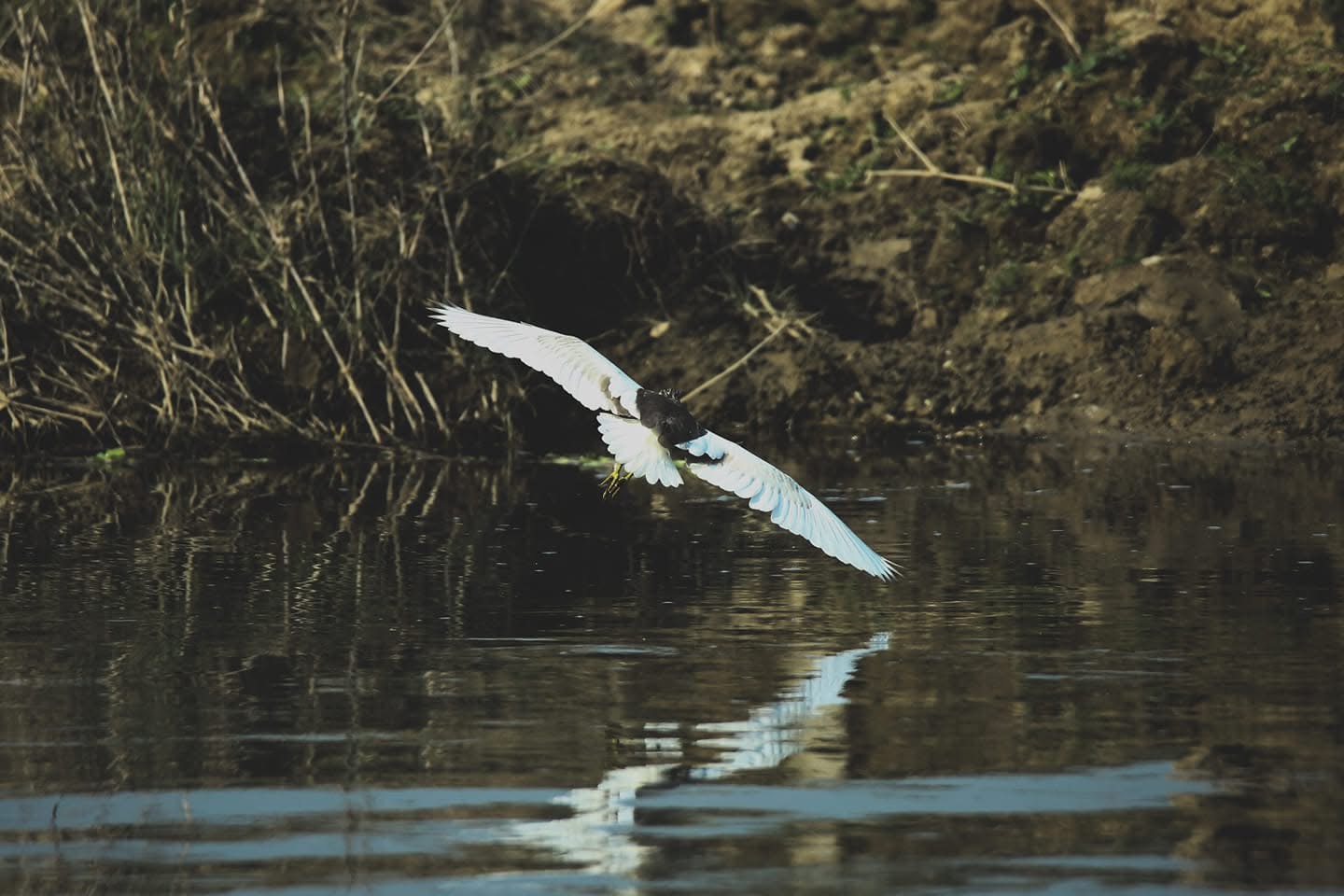
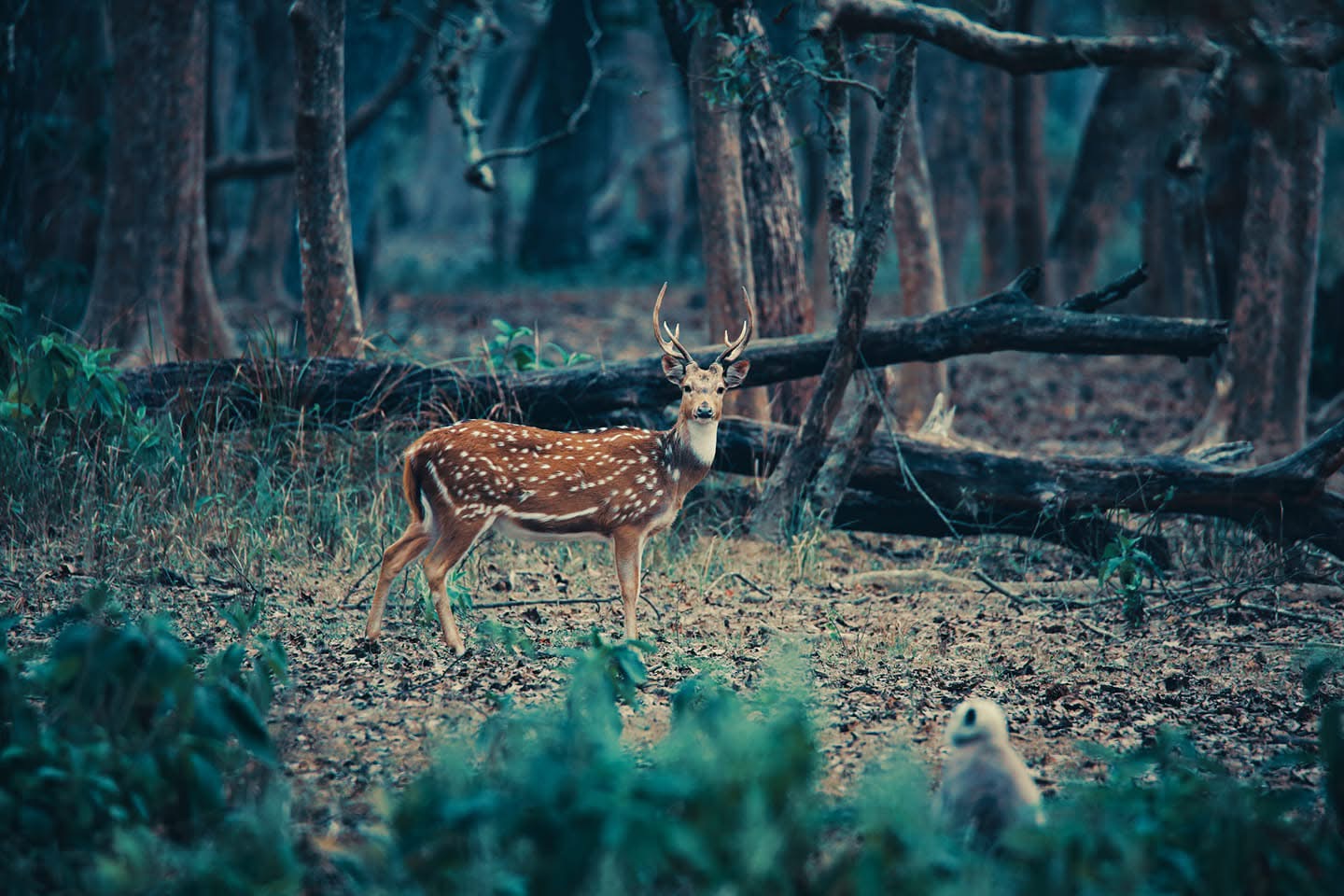
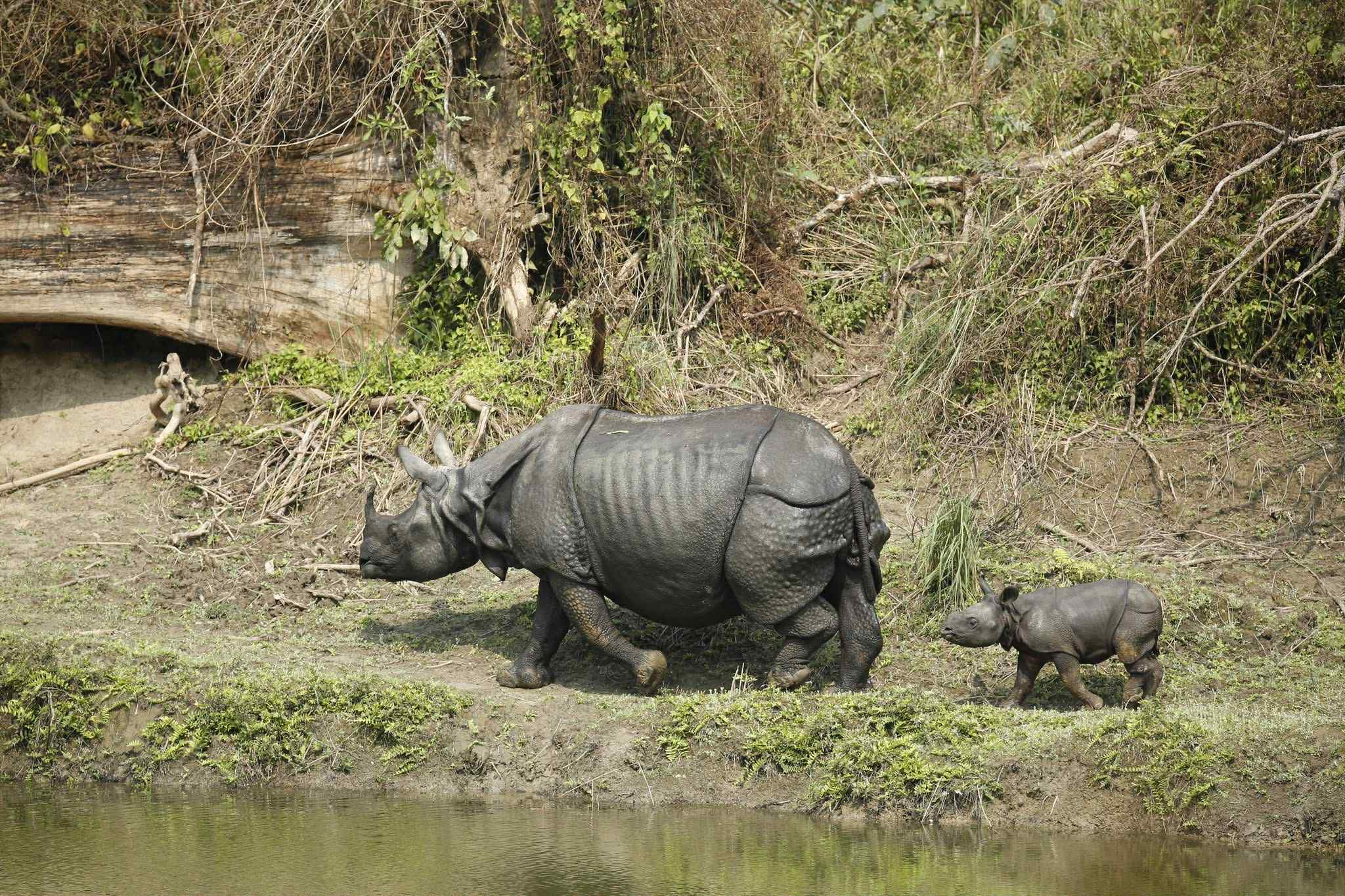
Start your day with an early breakfast to maximize your chances of spotting wildlife. Depending on park permits and the lodge’s itinerary, you’ll have a variety of safari options. Go birdwatching and look for stunning species like hornbills, herons, woodpeckers, eagles, kingfishers, and flycatchers. Alternatively, take a jeep safari to venture into deeper sections of the park, where you may encounter Bengal tigers, one-horned rhinoceroses, wild elephants, swamp deer, gharial crocodiles, and a variety of birdlife. Join a jungle walk with a trained wildlife tracker and an experienced naturalist guide to learn about animal tracks, calls, dung signs, and various plant species—the best way to observe animals in their natural surroundings. You may also visit the tiger territories or watering holes. If the season allows, enjoy a canoe ride on the Karnali or Babai River where you can spot aquatic life, including mugger and gharial crocodiles, river otters, and diverse bird species. After an exhilarating day, you’ll relax at designated watchtowers or riverbanks before returning to the lodge before sunset.
On your final morning, you may opt for a short nature walk or some birdwatching around the lodge, time permitting. After breakfast, you’ll head back to Nepalgunj airport, taking the same scenic route (about 2.5 to 3 hours). Finally, enjoy a relaxing flight back to Kathmandu, marking the end of your memorable Bardia jungle safari, filled with cherished moments of the Tharu community and the captivating wildlife.
The Bardia Jungle Safari typically spans three days, including travel time and safari activities. With a focus on jeep safaris and guided walks, the experience is considered easy, making it suitable for all kinds of travelers, whether solo adventurers, families, friends, or school groups.
Foreign nationals must carry a valid Nepal Visa, which can be obtained upon arrival at Tribhuvan International Airport, through an online application (e-Visa), or at border entry points. While Bardia itself does not require special permits, the national park does require two permits. The first is a park entry permit, with fees differing for SAARC and foreign nationals. The second is a Jungle Safari Activity Permit for activities such as jeep safaris, canoeing, and guided walks. Additionally, children under a certain age often enjoy discounted entry fees. Permits can be acquired at the park entrance or through licensed tour agencies. Be aware that there may be additional fees for cameras or video equipment, depending on park regulations. Permits are valid only for the length of your stay, so be sure to keep your receipt for verification at checkpoints.
Bardia National Park is easily reachable via domestic flights to Nepalgunj, followed by a short 2 to 3-hour drive. There are regular long-distance tourist buses from Kathmandu and Pokhara that head towards Mahendranagar or Dhangadhi and stop near Bardia. For a more comfortable journey, private jeeps or hired vehicles are available, though they come at a higher cost. Inside the park, transportation options include safari jeeps, walking trails, and dugout canoe rides in designated areas.
Bardia offers a variety of accommodations, from budget guesthouses to jungle lodges, eco-resorts, and mid-range hotels around Thakurdwara (the park entrance). Many lodges provide all-inclusive packages that cover meals, safari guides, and nature activities. Local resorts typically employ trained naturalists and wildlife experts to lead guided tours. Lodges also offer community-based programs that support the local Tharu communities. Additional services include jeep safari arrangements, cultural programs, bird-watching tours, and private nature walks.
The best time to visit is during autumn (September to November), which features pleasant weather, clear skies, and excellent opportunities for wildlife viewing. Winter (December to February) brings cooler mornings and a good chance to spot tigers due to the thinning vegetation. Spring (March to May) offers warm temperatures and active wildlife around water sources. The monsoon season (June to August) is not recommended, as heavy rains can affect accessibility, and some trails may be closed; however, the forest becomes lush and vibrant during this time.
Consider extending your trip to include Chitwan National Park. You might enjoy a cultural tour in Kathmandu (with its UNESCO World Heritage sites), go rafting on the Trishuli River on your way back, or embark on a pilgrimage to Lumbini, the birthplace of Lord Buddha. There are many exciting adventure trips or tours available, and trekking options in various regions can be added either before or after your stay.
It’s highly advisable to book your trip in advance, especially during the peak trekking season, to ensure you secure your accommodations. You’ll need a valid passport copy, travel insurance that includes emergency helicopter evacuation, and passport-size photos for trekking permits. To confirm your trek, a deposit of 20-30% is required, with the remaining amount due upon arrival in Nepal. Be sure to check the cancellation policy as well.

Verified guest feedback collected from Tripadvisor and Google Reviews.