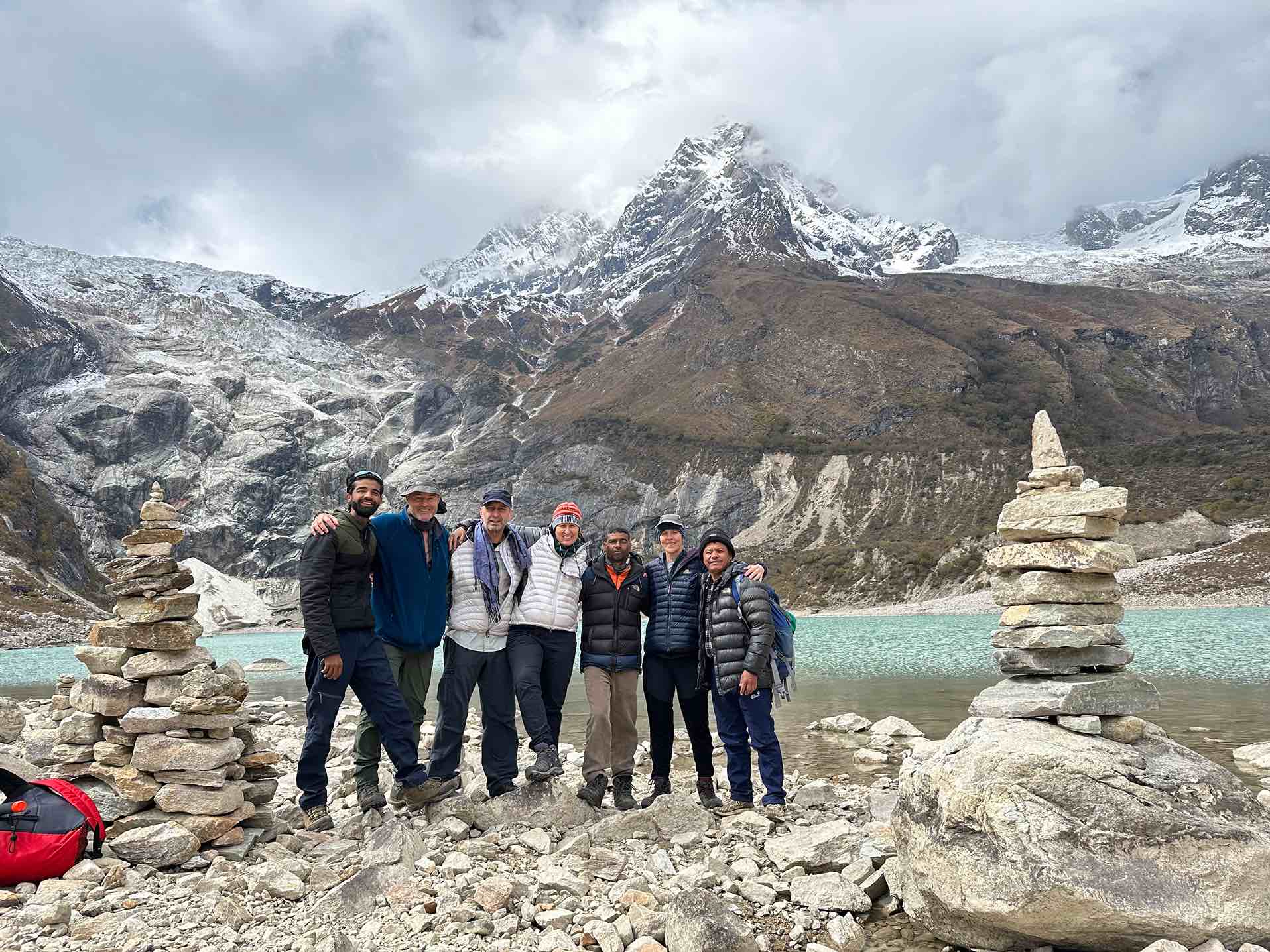
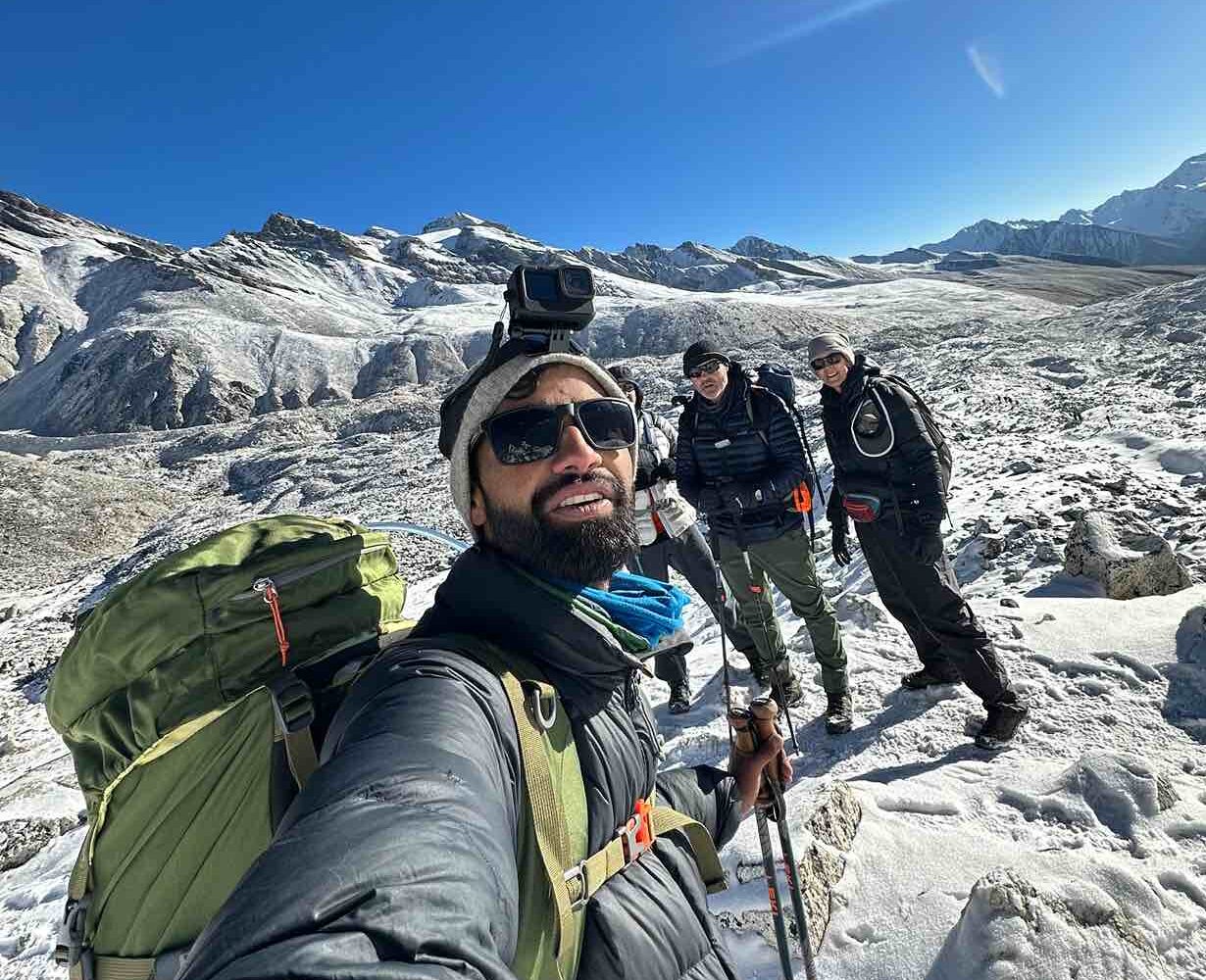
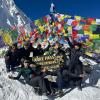
The Short Manaslu Circuit Trek is an ideal option for those seeking to explore the remote beauty of the Himalayas within a limited timeframe. Designed for trekkers who crave something raw and real. This 13-day trek takes you through the heart of Nepal’s restricted Manaslu region. Nature still whispers old stories, and life moves with the rhythm of the mountains. Unlike the longer versions of the Manaslu trail, this route moves at a compact pace without missing any of the region’s iconic highlights. From deep river gorges to wide alpine valleys, ancient Tibetan-style villages, and a dramatic high mountain pass, every day feels like a new world unfolding.
Starting from Kathmandu, the journey kicks off with a long but scenic drive to Maccha Khola, from where the real adventure begins. As you walk along the Budhi Gandaki River, you’ll pass by terraced fields, suspension bridges, and lush forest trails that eventually rise into the wild highlands. Villages like Jagat, Pewa, and Namrung offer a glimpse into the cultural soul of the region. The homes made of stone, people who greet you with warm smiles, and ancient customs are still alive in their everyday lives. By the time you reach Sama Gaun, the scenery opens into wide Himalayan landscapes surrounded by towering snow peaks. Here, an extra day is spent on acclimatisation. Having the option to hike to Manaslu Base Camp or visit the quiet monastery of Pungyen Gompa. Either choice brings you face-to-face with the mighty Mount Manaslu, the eighth-highest mountain in the world.
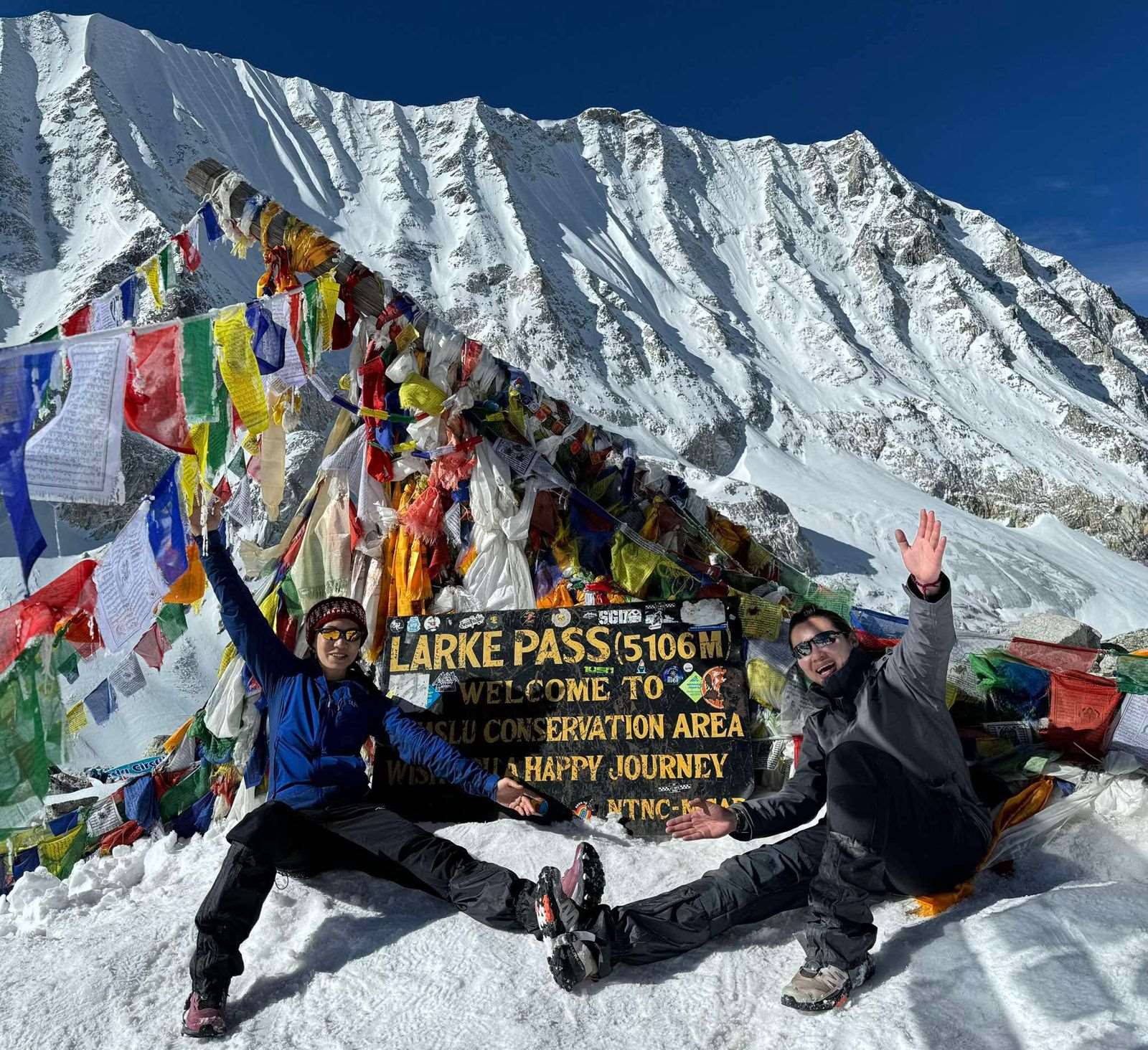
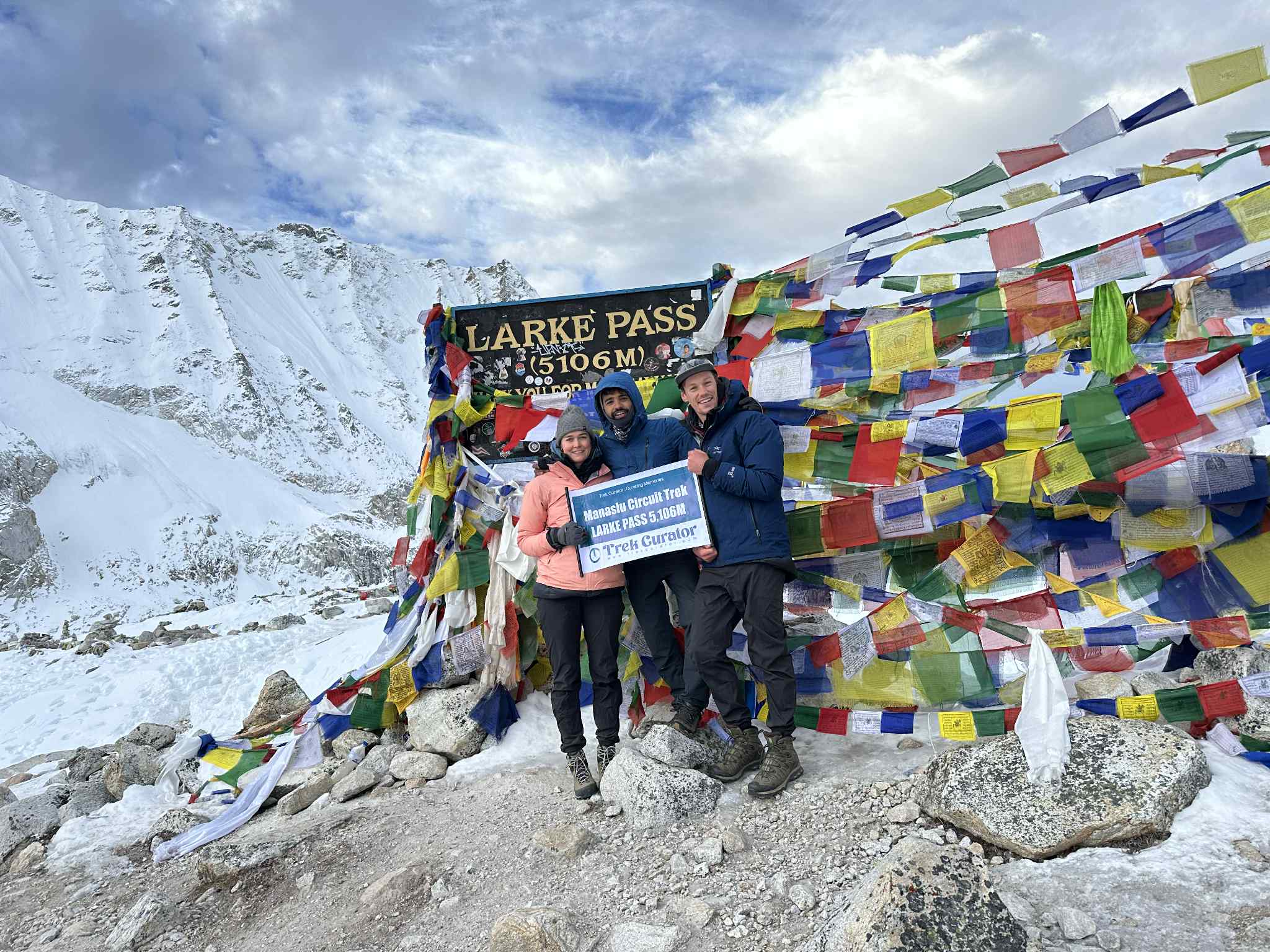
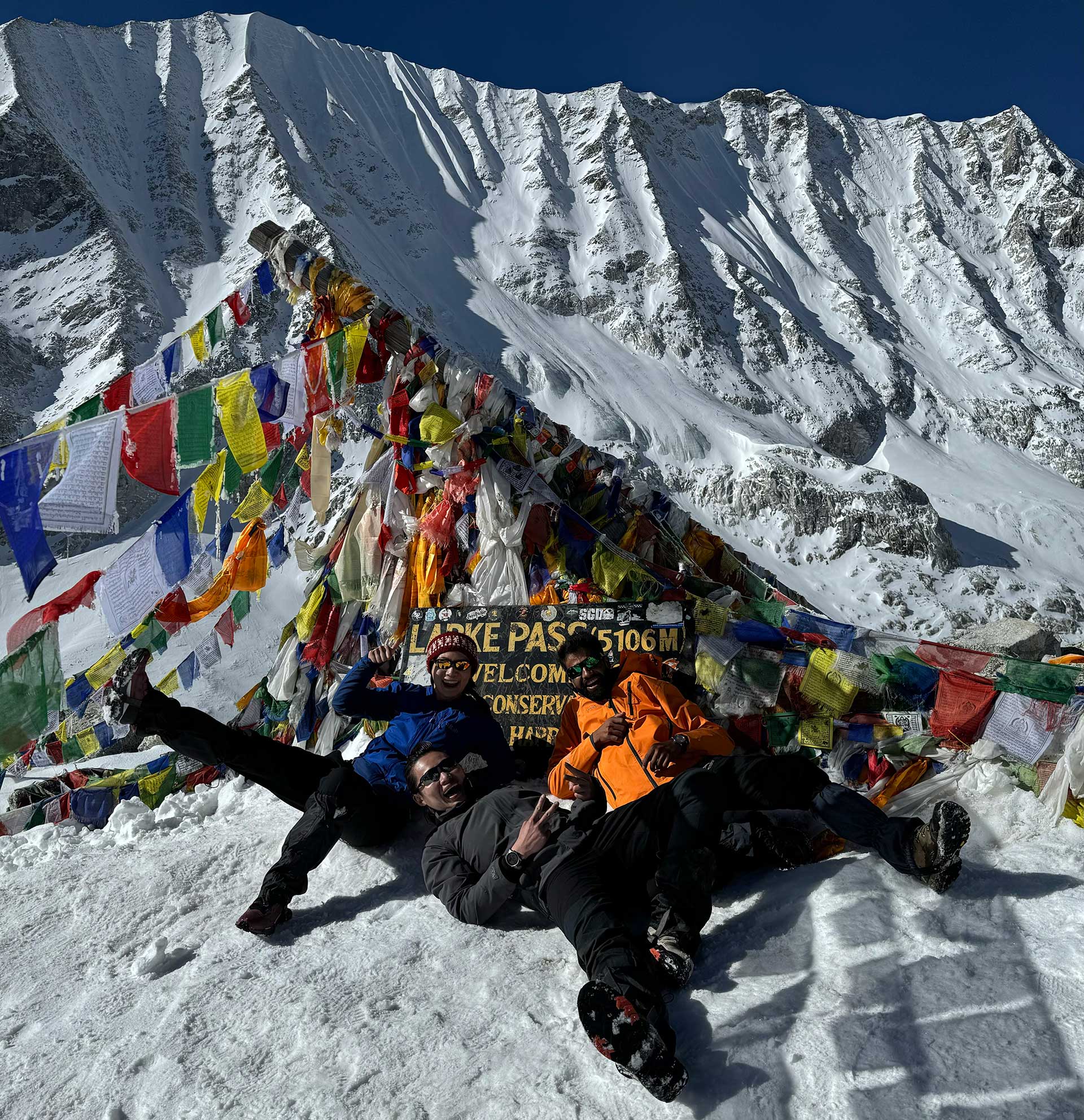
One of the most thrilling parts of the trek is crossing the Larkya La Pass at 5,106 meters. Though challenging, it offers an incredible sense of achievement and opens up jaw-dropping views of the Himlung Himal, Cheo Himal, Kang Guru, and the Annapurna range. After the pass, the trail gently descends into the quiet valley of Bimthang, surrounded by glaciers and pine forests. Eventually, you’ll make your way down to Dharapani before driving back to the city.
The ideal months to embark on the Short Manaslu Circuit Trek are spring and autumn. These seasons offer the clearest skies, moderate temperatures, and stable weather conditions. Spring adds colour to the trail with blooming rhododendrons and fresh alpine air. Likewise, Autumn welcomes you with crystal-clear mountain views and vibrant cultural activities in the villages.
As this region is designated as a restricted area by the government of Nepal, special trekking permits are necessary.. You will need the Manaslu Restricted Area Permit, the Manaslu Conservation Area Permit (MCAP), and the Annapurna Conservation Area Permit (ACAP). Treks are allowed through a registered agency. So it requires at least two trekkers accompanied by a licensed guide.
This trek is ideal for hikers who are physically fit, short on time, and looking for a truly immersive Himalayan experience without the usual crowds. It’s also suitable for anyone who wants to combine cultural exploration with rugged trekking through remote mountain terrain. From teahouse stays with warm Dal Bhat dinners to early sunrises over white peaks, this journey is about simplicity, connection, and unforgettable scenery.
If you’re looking for something rewarding, the Short Manaslu Circuit Trek is one of the best choices in Nepal. With a trusted team, expert guides, and carefully planned routes, Trek Curator offers more than a trek. We offer a story you’ll remember for life. From the first step in Maccha Khola to the final road back from Dharapani. This trail promises views, challenges, and emotions you’ll carry long after the trek ends.
Day 1: Arrival in Kathmandu
Day 2: Drive from Kathmandu to Maccha Khola (930m) – 7 hours
Day 3: Trek from Maccha Khola to Jagat (1,340m) – 6 hours
Day 4: Trek from Jagat to Pewa (1,804m) – 6 hours
Day 5: Trek from Pewa to Namrung (2,630m) – 6 hours
Day 6: Trek from Namrung to Sama Gaun (3,530m) – 6 to 7 hours
Day 7: Acclimatization Day in Sama Gaun – Day Hike to Manaslu Base Camp or Pungyen Gompa (4,400m)
Day 8: Trek from Sama Gaun to Samdo (3,865m) – 3 hours
Day 9: Trek from Samdo to Dharmasala (4,460m) – 4 hours
Day 10: Trek from Dharmasala to Bimthang (3,590m) via Larkya La Pass (5,106m) – 10 hours
Day 11: Trek from Bimthang to Dharapani (1,970m) – 7 hours
Day 12: Drive from Dharapani to Kathmandu – 10 hours
Day 13: Final Departure
Upon your arrival at Tribhuvan International Airport, our team will be waiting to welcome you. After a smooth transfer to your hotel in Kathmandu, you can take your time to rest or explore the nearby streets of Thamel. This first day is mostly about settling in and preparing for the adventure ahead.
Early in the morning, we begin our drive out of the Kathmandu Valley heading west towards the starting point of our trek. The road journey passes through beautiful hills, terraced fields, and local villages. As we leave the paved roads behind, the route becomes more rugged, especially after Arughat. By late afternoon, we reach Maccha Khola, a peaceful riverside village where we spend the night.
Today’s trek starts by following the Budhi Gandaki River through narrow trails and small settlements. We pass through Khorla Besi and reach the natural hot springs of Tatopani. After crossing a few suspension bridges and climbing stone steps, we finally arrive in Jagat. This is a charming village made of stone houses and also serves as an entry point to the restricted Manaslu region.
After breakfast, we begin our trek through scenic trails and forested sections with rhododendrons and bamboo. We pass by Salleri and descend to Sirdibas, then continue to cross the suspension bridge at Philim. The route becomes quieter as we move away from the main settlements. After a gentle ascent and peaceful walk, we reach Pewa, a small village nestled along the riverbank.
The trail from Pewa continues through lush forests and climbs gradually. Along the way, we pass Deng, a small village with Tibetan influences. Crossing suspension bridges and winding along ridges, we slowly make our way higher. As we approach Namrung, the views of the mountains become clearer, and the village offers a stunning panorama of Ganesh Himal and surrounding peaks.
Today is a scenic and rewarding day as the trail leads us through alpine landscapes and traditional villages like Lihi, Sho, and Lho. We can see mani walls, chortens, and prayer flags that reflect the Tibetan Buddhist culture of the area. As we reach Lho, the majestic view of Mt. Manaslu comes into full sight. After a few more hours of trekking through pine forests and open fields, we arrive at Sama Gaun, a beautiful village surrounded by high mountains.
This is a rest day to adjust to the altitude. For acclimatization, we take a side hike either to Manaslu Base Camp or Pungyen Gompa. The hike to the base camp is a bit more challenging but offers jaw-dropping views of glaciers and towering peaks. Alternatively, the walk to Pungyen Gompa is easier and culturally rich, with panoramic views of the valley. After the hike, we return to Sama Gaun for the night.
After a relaxed breakfast, we start our short trek towards Samdo. The trail gradually ascends through barren fields and yak pastures. As we gain elevation, the vegetation becomes sparse, but the views become more dramatic. Samdo is a small village near the Tibetan border and is home to people of Tibetan origin. We reach early and spend the rest of the day exploring or resting.
The walk to Dharmasala, also known as Larkya Phedi, is relatively short but steady. The trail is dry and rocky, surrounded by breathtaking Himalayan landscapes. As we reach Dharmasala, we prepare ourselves for the big crossing of the Larkya La Pass the following day. Due to the altitude, we keep things easy and take plenty of time to rest.
Today is the most challenging and exciting part of the trek. We begin early before sunrise and climb gradually towards Larkya La Pass. The views from the top are absolutely stunning, with peaks like Himlung Himal, Kang Guru, and Annapurna II in sight. After enjoying the success of crossing the pass, we descend a long way down to Bimthang, where the landscape shifts to alpine meadows and forests.
The trail from Bimthang descends through dense forests and alongside beautiful rivers. The walk is refreshing as we go lower in altitude and re-enter green valleys. We pass through charming villages like Gho and Tilije before finally reaching Dharapani. This is the point where we reconnect with the Annapurna Circuit trail.
After breakfast, we take a long drive back to Kathmandu. The road winds through the Marsyangdi Valley, offering glimpses of waterfalls, hills, and traditional villages. By evening, we arrive in Kathmandu, where you can enjoy a hot shower, good food, and a soft bed after days of adventure.
Today marks the end of your Manaslu Circuit journey. Depending on your flight schedule, we’ll transfer you to the airport. With unforgettable memories and mountain stories in your heart, you leave Nepal until next time.
Your journey typically kicks off with a drive from Kathmandu to Macchikhola. You can choose between private vehicles or local buses. While a private jeep offers a more comfortable and flexible travel experience, local buses are a budget-friendly option. Pick the mode of transportation that best fits your plan.
During the trek, you’ll stay in teahouses that offer basic yet comfortable accommodations. As you ascend to higher altitudes, services may become limited. Most teahouses provide twin-sharing rooms and shared bathrooms. The meals follow a standard teahouse menu featuring Dal Bhat, noodles, soups, rice, potatoes, and some simple Western dishes. Be sure to check if hot showers, Wi-Fi, and charging facilities require additional payment.
To ensure you have the best experience, it’s strongly advised to book your trip in advance, especially during peak trekking times to secure accommodation. When booking, you’ll need to provide a valid passport copy, proof of travel insurance (that must include emergency helicopter evacuation), and passport-size photos for your trekking permits. A deposit of 20-30% is required to confirm your trek, with the remaining balance payable upon arrival in Nepal. Please be aware that a cancellation policy is in place.
For Booking & Cancellation Policy: click here
Altitude sickness can become an issue above 3,000 meters, so it’s crucial to acclimatize properly and stay well-hydrated. Keep the contact numbers of local guides and your travel agency handy. Helicopter evacuation is available in emergencies, but ensure that your travel insurance covers this specifically. Your policy should include high-altitude trekking (up to 4,500 m) and emergency evacuation coverage. You’ll find basic health posts in villages, while more advanced hospitals are located in Kathmandu for serious cases. If you experience headaches, nausea, or dizziness, inform your guide right away.
Essential gear for comfort, warmth, and safe trekking at altitude.
Verified guest feedback collected from Tripadvisor and Google Reviews.