Permits and Visa
To embark on the Ghandruk Trek, you’ll need to secure two important permits: the Annapurna Conservation Area Permit (ACAP), which grants you access to the conservation area, and the TIMS Card (Trekkers’ Information Management System), required for all trekkers. You can obtain both permits through registered trekking agencies like ours. Most travelers can get a tourist visa upon arrival at Tribhuvan International Airport in Kathmandu. For quicker processing, an online visa application is available on the official Nepal Immigration website. Make sure to have a valid passport with at least six months’ validity, passport-sized photos, and the visa fee in USD cash.
For Visa Information.
Transportation
Ghandruk is best reached from Pokhara, which can be accessed by a 30-minute domestic flight from Kathmandu or a 6 to 8-hour drive by tourist bus or private vehicle. From Pokhara, you can hire a private jeep or taxi to take you to Kimche or Nayapul, the starting points of your trek. Local buses to Nayapul are available, but they tend to be slower and less comfortable. The trek from Nayapul to Ghandruk usually takes about 4 to 6 hours, depending on your pace and the number of breaks you take.
Accommodation and Services
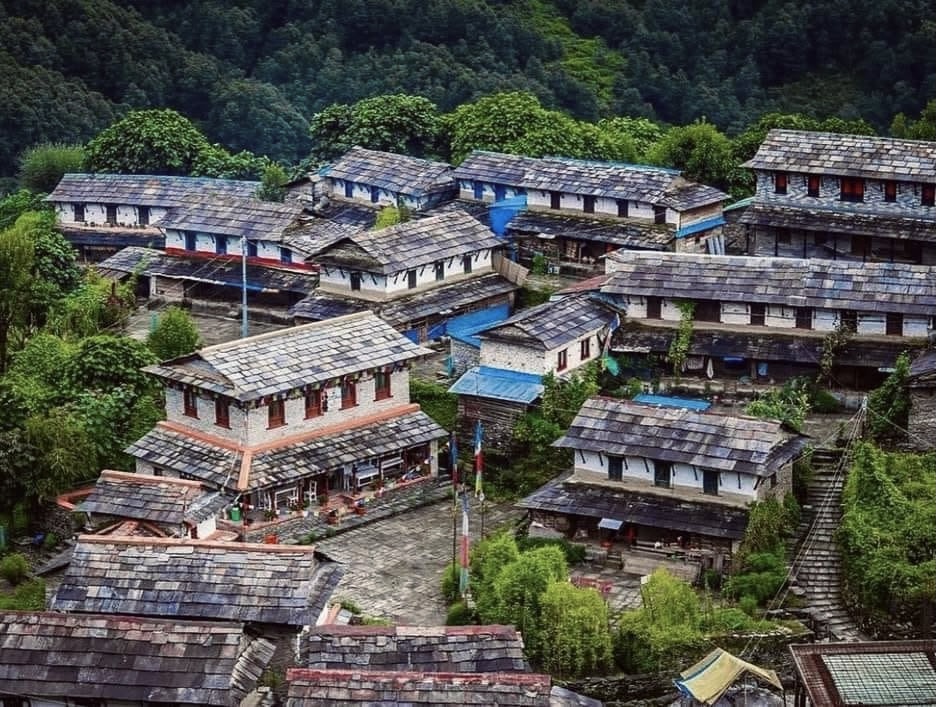
In Ghandruk, you’ll find teahouses, lodges, and homestays that offer basic to comfortable accommodations. Rooms generally feature simple beds, with either shared or private bathrooms, depending on your choice. Teahouses usually have dining halls serving Nepali, Tibetan, and basic Western cuisine. While hot showers, Wi-Fi, electricity, and charging facilities are offered, keep in mind that there may be additional fees for these services.
Best Season
Spring (March–May)
Enjoy stable weather, warm temperatures, and the stunning bloom of rhododendrons.
Autumn (September–November)
Experience clear mountain views, cool air, and perfect trekking conditions.
Winter (December–February)
Trekking is still possible, though it can be cold; however, the views are crystal clear.
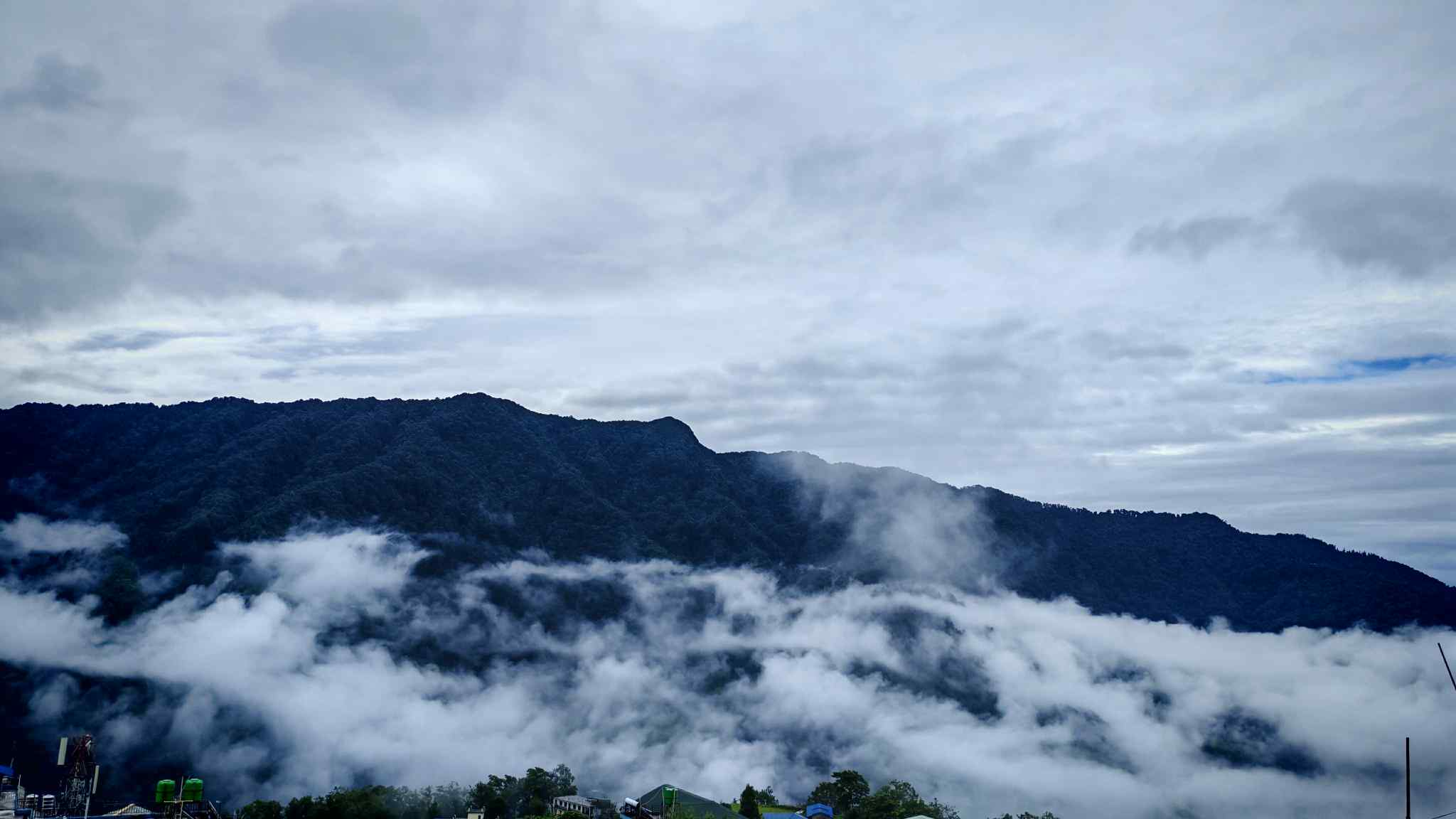
Monsoon (June–August)
The trails are lush, but be prepared for slippery paths, leeches, and reduced visibility.
Booking Policy and Required Documents
To secure your accommodation, it’s highly recommended to book in advance during peak trekking seasons. When booking, you’ll need to provide a valid passport copy, travel insurance that includes emergency helicopter evacuation coverage, and passport-sized photos for permit purposes. A deposit of 20-30% is required to confirm your trek, with the remaining balance due upon your arrival in Nepal.
For Booking & Cancellation Policy: click here