
Kanchenjunga Circuit Trek
Be the first to review!
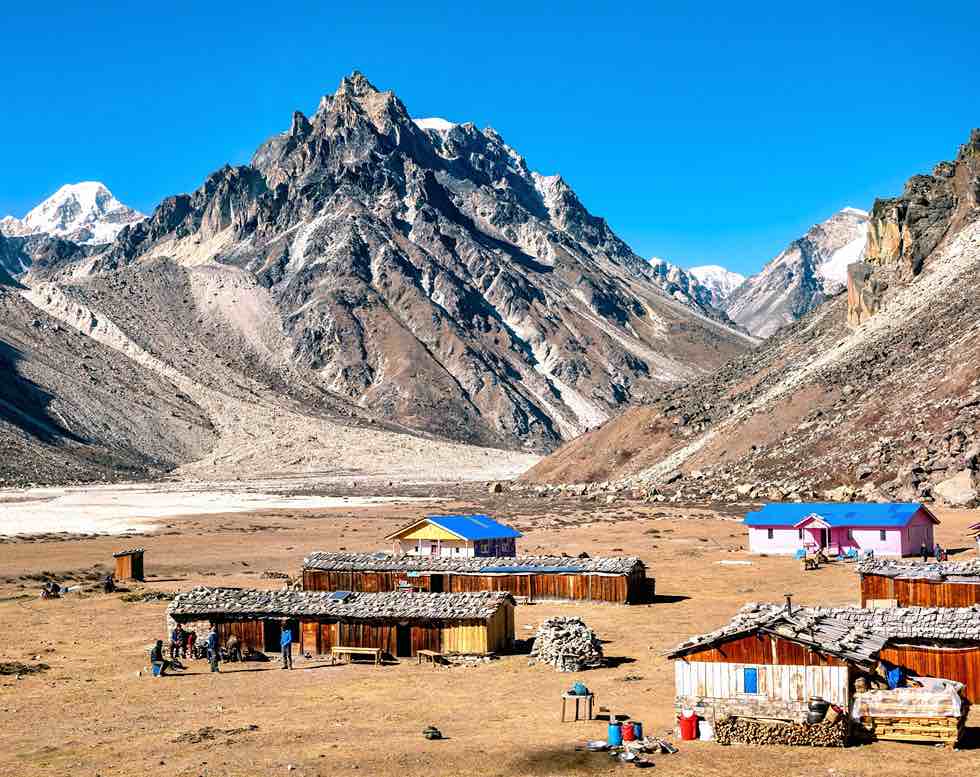
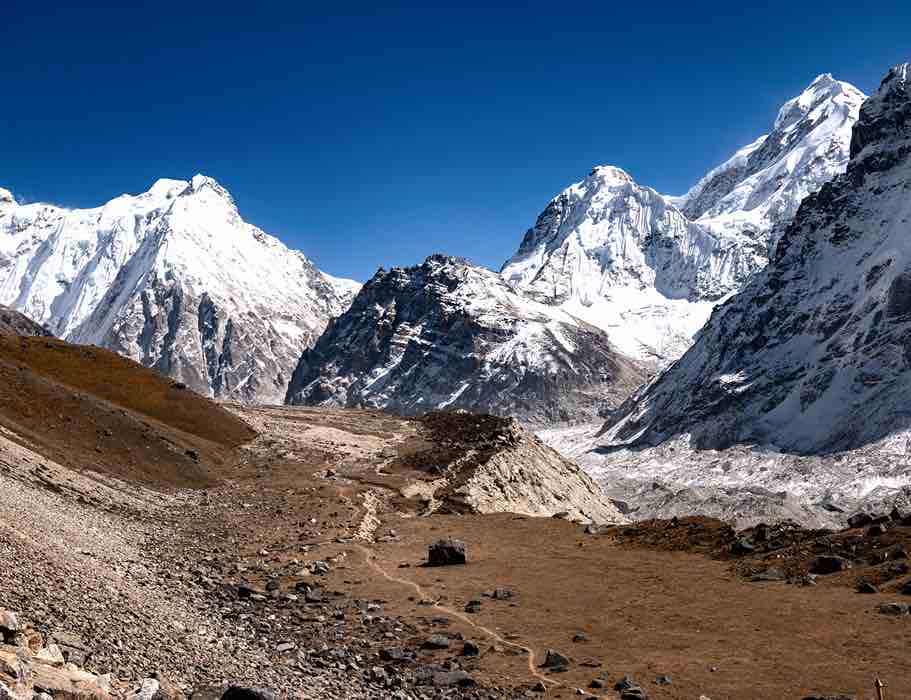
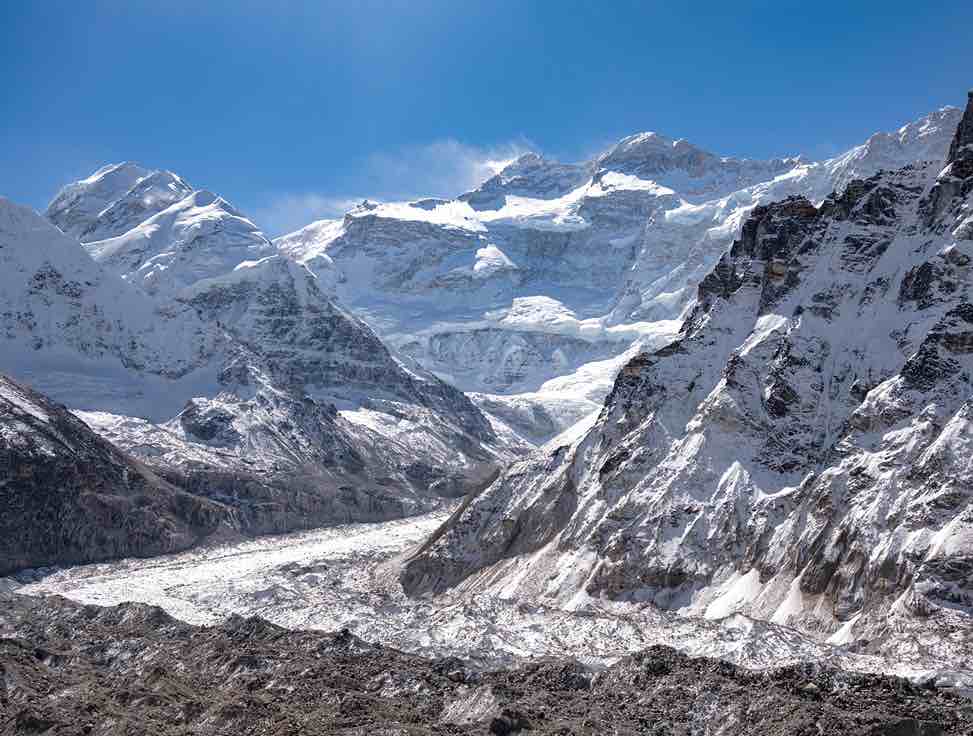
Overview
Kanchenjunga Circuit Trek
The Kanchenjunga Circuit Trek is a remote and demanding Himalayan adventure that takes you through the eastern region of Nepal, near the borders of Sikkim and Tibet. This remarkable trek encircles Kanchenjunga, the world’s third-highest peak at 8,586 meters, which translates to “Five Treasures of Snow” in Tibetan (Kanchen Dzonga). As you journey along the trail, you’ll be treated to breathtaking landscapes, charming remote villages, lush alpine meadows, stunning glaciers, and deep valleys.
The trek is rich in cultural heritage and heavily influenced by Tibetan Buddhism and the Limbu communities. The entire circuit lies within the trekking-restricted Kanchenjunga Conservation Area (KCA), covering 2,035 square kilometres, where there’s a chance to spot rare wildlife such as red pandas, snow leopards, Himalayan black bears, and blue sheep. Additionally, the Kanchenjunga Circuit Trek is often hailed as one of Nepal’s authentic and untouched trekking experiences, offering a true wilderness expedition far removed from commercial trails.
Highlights
– Majestic views of Mt. Kanchenjunga, Jannu,and other Himalayan giants
– Exploration of both the North and South Base Camps of Kanchenjunga
– Opportunities for rare wildlife sightings within the Kanchenjunga Conservation Area
– Crossing the remote and picturesque Sele Le Pass with sweeping Himalayan vistas
– Serene trails with minimal foot traffic, even during peak season
Why Choose This Destination
This trek promises an unparalleled Himalayan experience along wild, rugged trails, allowing trekkers to explore both sides of Kanchenjunga. Unlike the busier Everest or Annapurna regions, this area remains less commercialized, providing a more genuine experience of the Himalayas with fewer crowd Raftings. It’s a paradise for nature lovers, photographers, and cultural enthusiasts, offering stunning views of remote mountains and a glimpse into deeply rooted traditions. This trek is also a spiritual journey through monasteries, chortens, and sacred landscapes. In just one expedition, you can immerse yourself in cultural diversity, natural beauty, and high-altitude excitement. Also, it’s a genuine once-in-a-lifetime adventure that ranks among Nepal’s top long-distance treks for serious adventurers.
“Ready for a true Himalayan adventure? Discover the Kanchenjunga Circuit Trek and start planning your journey today.”
✅ What's Included:
Arrival and departure transfers in Kathmandu
Airport pickup and drop-off in Kathmandu
Domestic flight Kathmandu – Bhadrapur – Kathmandu
All necessary permits and trekking fees (TIMS, Kanchenjunga Conservation Area Permit, etc.)
Accommodation during the trek (teahouses/lodges)
Accommodation in Kathmandu (2 nights, usually standard guesthouse or hotel)
All meals (breakfast, lunch, dinner) during the trek
Experienced English-speaking trekking guide
Porter service (1 porter per 2 trekkers)
Ground transportation from Bhadrapur to Taplejung, Taplejung to Sekathum, Yamphudin to Ilam, Ilam to Bhadrapur, etc.
Trekking equipment for guides and porters
Necessary rescue/evacuation coordination in emergencies
Trekking route planning and itinerary as described
❌ Price Excludes:
International airfare to and from Kathmandu
Nepal visa fees on arrival (usually $30 for 15 days)
Travel insurance (including evacuation insurance)
Personal expenses (phone calls, laundry, snacks, drinks, tips)
Accommodation and meals in Kathmandu beyond the specified days
Additional trekking gear or equipment rental/purchase
Any extra sightseeing or activities beyond the itinerary
Optional tips for guides and porters (recommended)

Itinerary Overview
Day 1: Arrival in Kathmandu (1,330 )
Day 2: Trek Preparation and Half-Day Kathmandu Sightseeing
Day 3: Fly from Kathmandu to Bhadrapur, Drive to Taplejung (1,442m) - 40 to 45 minutes flight, 7 to 8 hrs drive
Day 4: Taplejung to Sekathum (1,650m) - 6 to 7 hrs drive
Day 5: Trek to Amjilosa (2,480m) - 5 to 6 hrs
Day 6: Trek to Gyable (2,727m) - 4 to 5 hrs
Day 7: Trek to Gunsa (3,420m) - 5 to 6 hrs
Day 8: Trek to Khambachen (4,050m) - 5 to 6 hrs
Day 9: Acclimatization Day in Khambachen
Day 10: Trek to Lhonak (4,780m) - 4 to 5 hrs
Day 11: Trek to North Kanchenjunga Base camp (5,140m) and back to Lhonak (4,780m) - 6 to 7 hrs
Day 12: Trek to Ghunsa (3,420m) - 6 to 7 hrs
Day 13: Trek to Sele Le Base Camp (4,240m) - 5 to 6 hrs
Day 14: Trek from Sele Le Base Camp to Tseram (3868m) - 6 to 7 hrs
Day 15: Trek to Oktang Base camp (4,740m) and back to Ramche (4580m) (Yalung South Base Camp) and back to Tseram (3,870m) - 7 to 8 hrs
Day 16: Trek from Tseram to Tortong (2,995m) - 6 to 7 hrs
Day 17: Trek to Yamphudin (1,690m) - 6 to 7 hrs
Day 18: Drive from Yamphudip to Ilam, Kanyam (1,115m) - 7 hrs
Day 19: Drive from Illam, Kanyam to Bhadrapur and flight back to Kathmandu (1,130m)
Day 20: Departure
Additional Information:
Duration, Difficulty, Accommodation & Essentials
The Kanchenjunga Circuit Trek spans 20 days, including arrival, departure, and the trekking days themselves. With approximately 15 days spent on remote high-altitude trails, this trek is deemed challenging. It is suitable for trekkers of all experience levels but is especially beneficial for those with prior multi-day trekking experience. The trail can be tough, necessitating good physical fitness.
Permits and Visa
To embark on the Kanchenjunga Circuit Trek , you will need several important permits: the Kanchenjunga Restricted Area Permit (RAP) and the Kanchenjunga Conservation Area Permit (KCAP) for entry into the conservation zone. Additionally, a TIMS Card (Trekkers’ Information Management System) is mandatory for all trekkers. These permits can be obtained through a registered trekking agency such as ours. Most travelers can get a tourist visa on arrival at Tribhuvan International Airport in Kathmandu. For quicker processing, you can opt for an online visa through the official Nepal Immigration website. Required documents include a valid passport (with at least 6 months validity), passport-sized photos, and the visa fee in cash (USD).
Transportation
The trek begins with a flight to Bhadrapur, followed by a drive to Taplejung. During the drive, you can choose between affordable local buses or private jeeps that offer more comfort and flexibility. While local buses are budget-friendly, they operate on a fixed schedule. At the end of your trek, you’ll travel back to Bhadrapur for your flight back to Kathmandu. Be aware that weather conditions in the eastern region can cause delays, so it’s wise to plan some buffer days for internal flights. In addition, helicopter services may be an option for chartering, depending on weather conditions and availability, but keep in mind that they can be quite costly.
Accommodation and Services
In this region, accommodation typically consists of basic tea houses, community-run lodges, and homestays. Rooms usually come with simple beds, blankets, and shared bathrooms, with limited luxury options. Meals consist of traditional Nepali dishes like Dal Bhat, noodle soup, fried rice, potatoes, and Tibetan bread, along with tea and coffee. While electricity, hot showers, and mobile charging facilities are available, they may be limited and incur extra charges.
Best Season
Spring (March to May) offers ideal weather, vibrant rhododendron blooms, clear mountain views, and pleasant temperatures. Autumn (September to November) boasts a stable climate, excellent visibility, and less precipitation, making it the peak trekking season. Winter (December to February) brings extremely cold temperatures and heavy snowfall at higher elevations, posing risks in sections like Sele La. The monsoon season (June to August) is not advisable due to heavy rainfall, landslides, leeches, and poor trail conditions.
Booking Policy and Required Documents
We strongly recommend booking in advance, especially during the peak trekking season, to secure your accommodation. The booking process requires a copy of your valid passport, travel insurance that includes emergency helicopter evacuation, and passport-sized photos for the trekking permits. To confirm your trek, a deposit of 20–30% is required, with the balance payable upon arrival in Nepal.
For Booking & Cancellation Policy: click here
Emergency Evacuation and Safety Tips
Altitude sickness can present a risk above 3,000 meters, so it’s vital to acclimatize properly and stay hydrated. Keep contact numbers for your local guide and travel agency handy. In emergencies, helicopter evacuations are available, but ensure these are covered by your travel insurance. Your insurance must include high-altitude trekking (up to 4,500 m) and emergency evacuation. Basic health posts can be found in villages, while more advanced hospitals are located in Kathmandu for serious health issues. If you experience symptoms like headaches, nausea, or dizziness, inform your guide immediately.