Annapurna Base Camp Trek
Be the first to review!
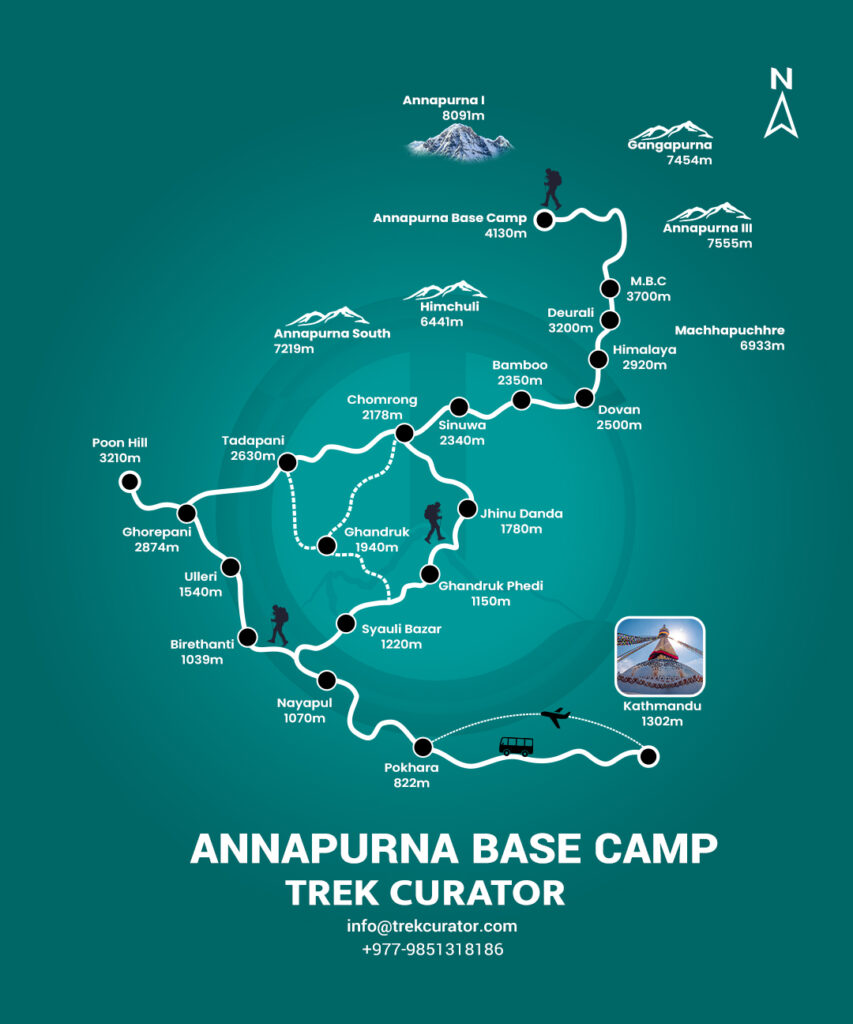
Kathmandu → Pokhara → Nayapul → Tikhedhunga/Ulleri → Ghorepani → Poon Hill → Tadapani → Chhomrong → Bamboo → Deurali → Machapuchare Base Camp (MBC) → Annapurna Base Camp (ABC) → Bamboo → Jhinu Danda (Hot Springs) → Nayapul → Pokhara → Kathmandu.
Overview
Annapurna Base Camp Trek (ABC Trek) – Ultimate Himalayan Trek in Nepal
Introduction
The Annapurna Base Camp Trek (ABC Trek) is more than just a walk. One of the most popular Himalayan treks in Nepal, the journey is filled with stunning landscapes, warm local hospitality, and breathtaking mountain views. From the busy streets of Kathmandu to the peaceful forests, flowing rivers, and high Himalayan peaks, every step brings a new adventure.
Trek Curator ensures that this trek is for everyone. Whether you are trekking for the first time or have years of experience, whether you are young or old, we make sure every moment is safe, enjoyable, and unforgettable.
Highlights:
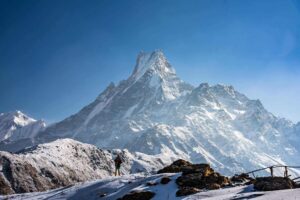
Stunning views of Annapurna, Machhapuchhre (Fishtail), Dhaulagiri, and other Himalayan peaks.
Scenic villages like Ghandruk, Chhomrong, and Bamboo are perfect stops on your ABC Trek.
Diverse landscapes ranging from subtropical forests to alpine meadows during the Annapurna trek.
The rich culture of the Gurung and Magar communities offers unique experiences on Nepal trekking tours.
Getting into the Annapurna Region
The adventure starts in Kathmandu, where the sounds of temple bells and busy markets create a lively atmosphere. A scenic drive takes us to Pokhara, the Annapurna trekking adventures. Pokhara is a peaceful city surrounded by hills and home to the beautiful Phewa Lake. This is the perfect place to relax before heading into the mountains.
The real trekking begins at Nayapul, leading through charming villages and green terraces to Ulleri. The place is known for its long stone staircases. As we climb higher, the fields slowly give way to dense rhododendron forests, where colorful birds sing, and monkeys swing from the trees.
Poon Hill – A Sunrise Worth Trekking
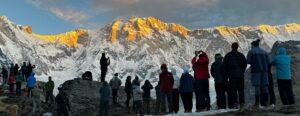
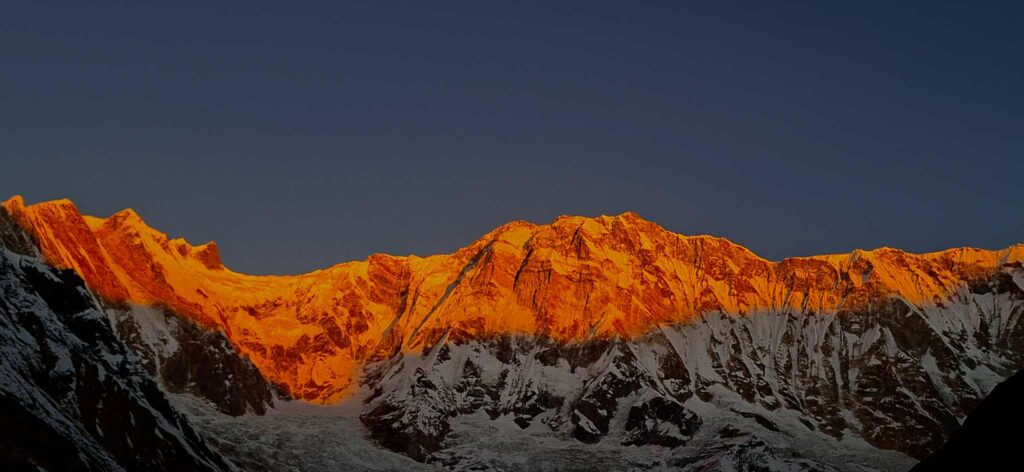
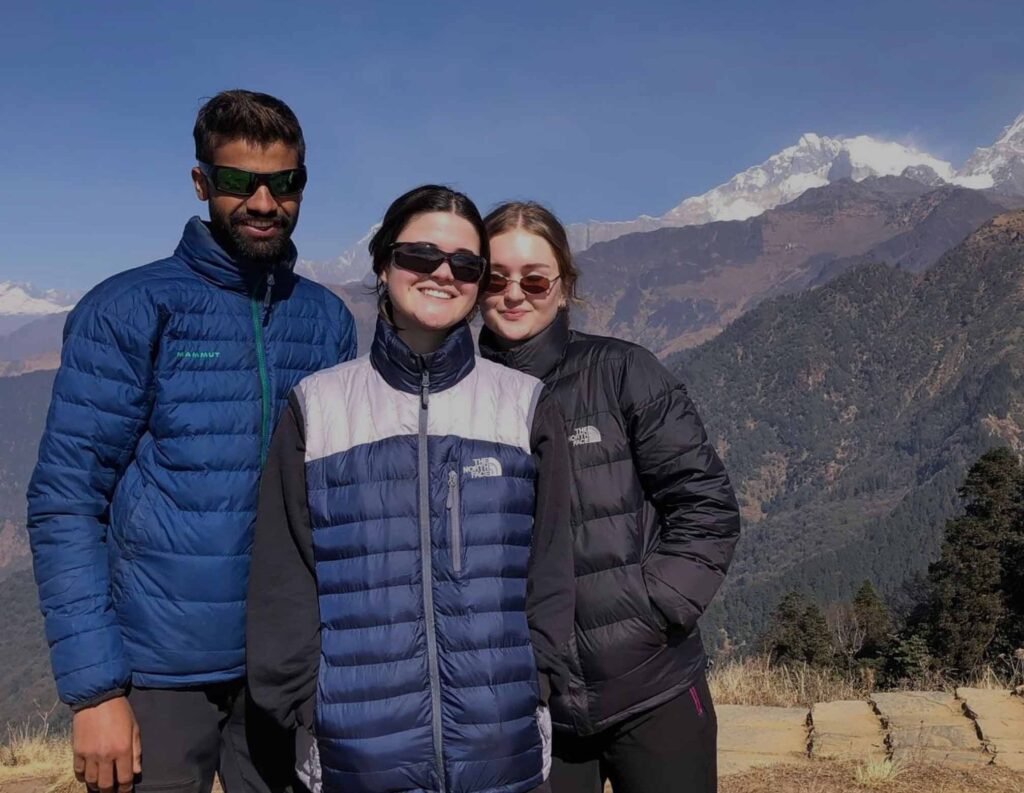
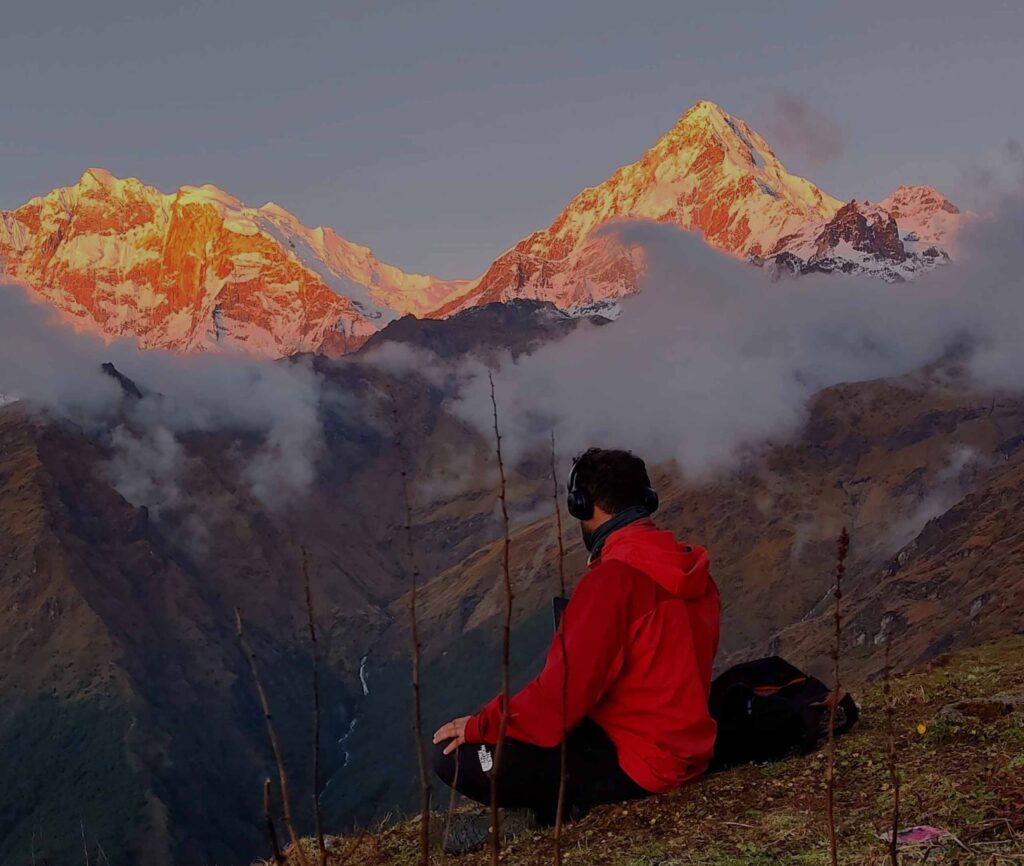
An early morning hike to Poon Hill (3,210m) is one of the best highlights of the Annapurna Base Camp Trek (ABC Trek). Poon Hill offers a panoramic view of the Annapurna and Dhaulagiri ranges at sunrise. As the sun rises, it lights up the Annapurna and Dhaulagiri ranges in golden hues. Standing there, watching the mountains glow, is an unforgettable moment. After taking in the views, we continue walking through forests and hills to Tadapani and Chule, enjoying the peaceful nature along the way.
Deeper into the Annapurna Sanctuary
The trail then leads through Sinuwa and Deurali, crossing bamboo forests, rivers, and bridges that swing gently in the wind. As we go higher, the air feels fresher, the landscapes become more dramatic, and the excitement builds.
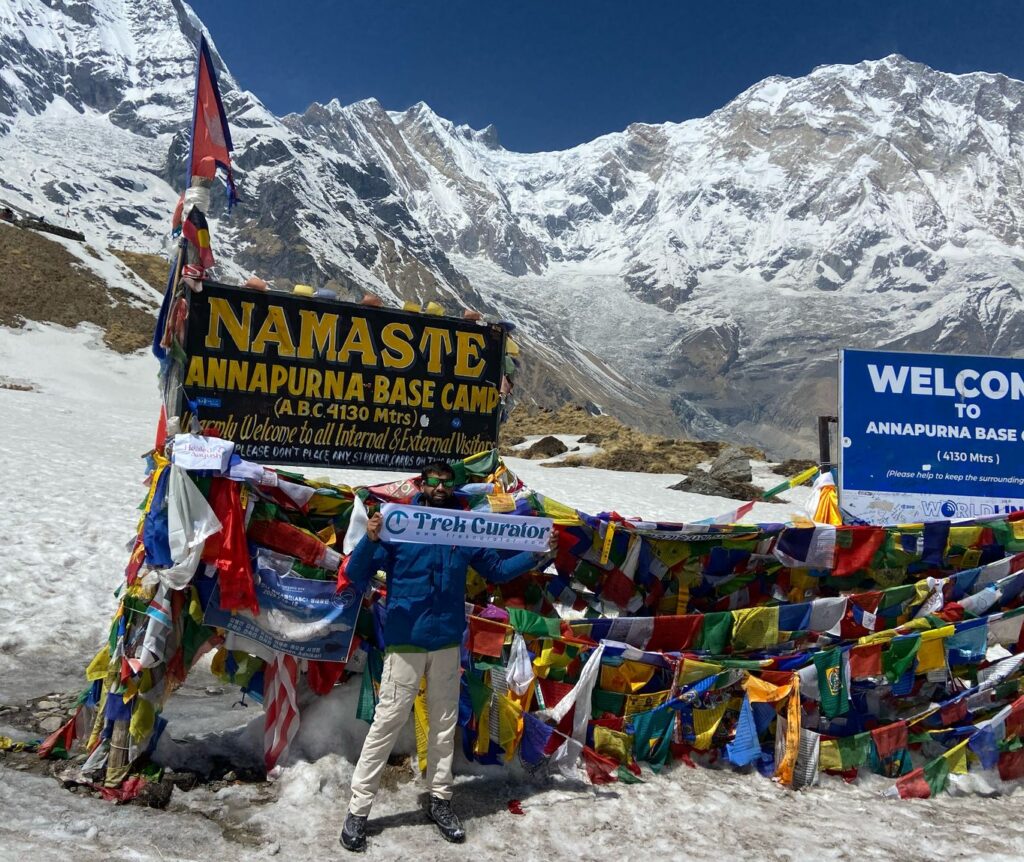
As we reach the Annapurna Sanctuary, the trail offers dramatic landscapes and breathtaking views of the Himalayan peaks in Nepal. The final arrival at Annapurna Base Camp (4,095m) is unforgettable. Moreover, the entire Annapurna range stands in front of us like a natural amphitheater. The towering ice walls, the fresh snow underfoot, and the quiet of the mountains create a feeling of peace and wonder. Being here, surrounded by the highest peaks, is something truly special.
The Return from ABC – Warm Springs and Mountain Villages
On the way back from the Annapurna Base Camp Trek, we pass through Bamboo and Jhinu, where trekkers can enjoy the natural hot springs in Nepal, perfect for relaxing after days of trekking. Likewise, the warm water relaxes tired muscles, while the rushing river and fresh mountain air make it a perfect place to unwind.
Finally, we take a scenic drive back to Kathmandu, bringing an end to this unforgettable adventure. With hearts full of memories and cameras full of photos, we say goodbye to the mountains, but the experience stays with us forever.
Trek Curator – Making Every Step Count
With Trek Curator, the Annapurna Base Camp Trek in Nepal is more than a trip; it’s a carefully planned Himalayan adventure trek for every traveler. Whether you trek in the blooming season of spring, the clear skies of autumn, or the snowy winter trails, we make sure you have a safe and comfortable adventure. Our experienced guides handle everything from altitude acclimatization to emergency support, so you can focus on enjoying the journey
Limited spots available! Book now to secure your place on the ultimate Himalayan adventure.
Guide & Porter Services – Hire a guide and porter to carry your luggage and lead the way.
Trekking Equipment Rentals – Sleeping bags, down jackets, and trekking gear available for rent
✅ What's Included:
- Airport Transfers (Pick-up & Drop-off)
- Kathmandu to Pokhara Transport (Flight/Bus)
- Accommodation (Teahouses/Lodges during the trek)
- Meals (Breakfast, Lunch & Dinner during the trek)
- Trekking Permits (ACAP & TIMS)
- Professional Guide & Porter (Guide with First Aid Kit)
- Necessary Trekking Equipment (Sleeping Bag & Down Jacket on rent)
- Annapurna Conservation Area Entry Fees
- Emergency Support (Basic First Aid )
❌ Price Excludes:
- International Flights (To/From Nepal)
- Nepal Visa Fees
- Travel Insurance (Mandatory for high-altitude trekking)
- Personal Expenses (Snacks, drinks, hot showers, Wi-Fi, battery charging)
- Meals in Kathmandu & Pokhara (Except breakfast at hotels)
- Trekking Gear (Personal clothing, boots, trekking poles, etc.)
- Tips for Guide & Porter (Customary but not mandatory)
- Emergency Evacuation & Helicopter Rescue (If required)
- Extra Accommodation Costs (Due to delays, weather, or personal reasons)

Itinerary Overview
Day 1: Arrival in Kathmandu
Day 2: Drive to Pokhara
Day 3: Drive to Nayapul and Trek to Ulleri
Day 4: Trek to Ghorepani
Day 5: Early Morning Hike to Poon Hill | Trek to Tadapani and Chule
Day 6: Trek to Sinuwa
Day 7: Trek to Deurali
Day 8: Trek to Annapurna Base Camp (ABC)
Day 9: Trek Back to Bamboo
Day 10: Trek to Jhinu and Drive to Pokhara
Day 11: Drive Back to Kathmandu
Day 12: Departure Day
Detail Itinerary
Arrival in Kathmandu
Welcome to Nepal! As you touch down at Tribhuvan International Airport, our friendly Trek Curator representative will be there to greet you with a warm smile. After a quick transfer to your hotel, take a moment to soak in the vibrant energy of Kathmandu. The streets are alive with colors, rich culture, and the tempting aromas of local street food. Once you’ve settled in, join us for a leisurely evening stroll through Thamel, where the atmosphere buzzes with excitement.
Drive to Pokhara
Get ready for a scenic drive to Pokhara today. As we journey along the Trishuli River, watch the landscape transform from bustling city life to lush, green hills. The road will wind through terraced farmlands and charming villages, providing breathtaking views around every turn. After about six to seven hours, we’ll arrive in Pokhara, a peaceful lakeside city surrounded by the stunning Annapurna and Machhapuchhre (Fishtail Mountain). Spend your evening relaxing by Phewa Lake or exploring the lively lakeside markets.
Drive to Nayapul and Trek to Ulleri
After an early breakfast, we’ll hop in the vehicle for a short drive to Nayapul, the starting point of our trek. The first part of our journey is a gentle walk through Birethanti, a picturesque village with traditional houses and flowing rivers. As we continue, the trail begins to climb through lush forests and terraced fields. The final ascent to Ulleri is a bit challenging, but trust me, the view of the sunset over Annapurna South and Hiunchuli makes it all worthwhile.
Trek to Ghorepani
Today’s trek takes us through vibrant Rhododendron forests and charming villages, passing through Banthanti and Nangethanti along the way. The air is fresh, and the sweet melodies of chirping birds accompany us. By the afternoon, we’ll reach Ghorepani (2,874m)a beautiful settlement nestled in the mountains. The excitement builds as we prepare for the early morning hike to Poon Hill, a highlight of
Early Morning Hike to Poon Hill | Trek to Tadapani and Chule
We rise before dawn for a short hike to Poon Hill (3,210m). As the first light of day touches the Annapurna and Dhaulagiri ranges, the sky transforms into a stunning palette of oranges and golds. After soaking in this magical moment, we return to Ghorepani for breakfast and then continue our trek through dense forests to Tadapani. The trail is filled with streams, waterfalls, and small mountain settlements that enhance our journey.
Trek to Sinuwa
Today’s trail leads us through Chhomrong, a charming Gurung village with fantastic views of Machhapuchhre (Fishtail Mountain). We’ll descend to the river, cross a suspension bridge, and then make a final ascent to Sinuwa (2,150m). The serene surroundings and crisp mountain air provide a perfect backdrop for our restful night.
Trek to Deurali
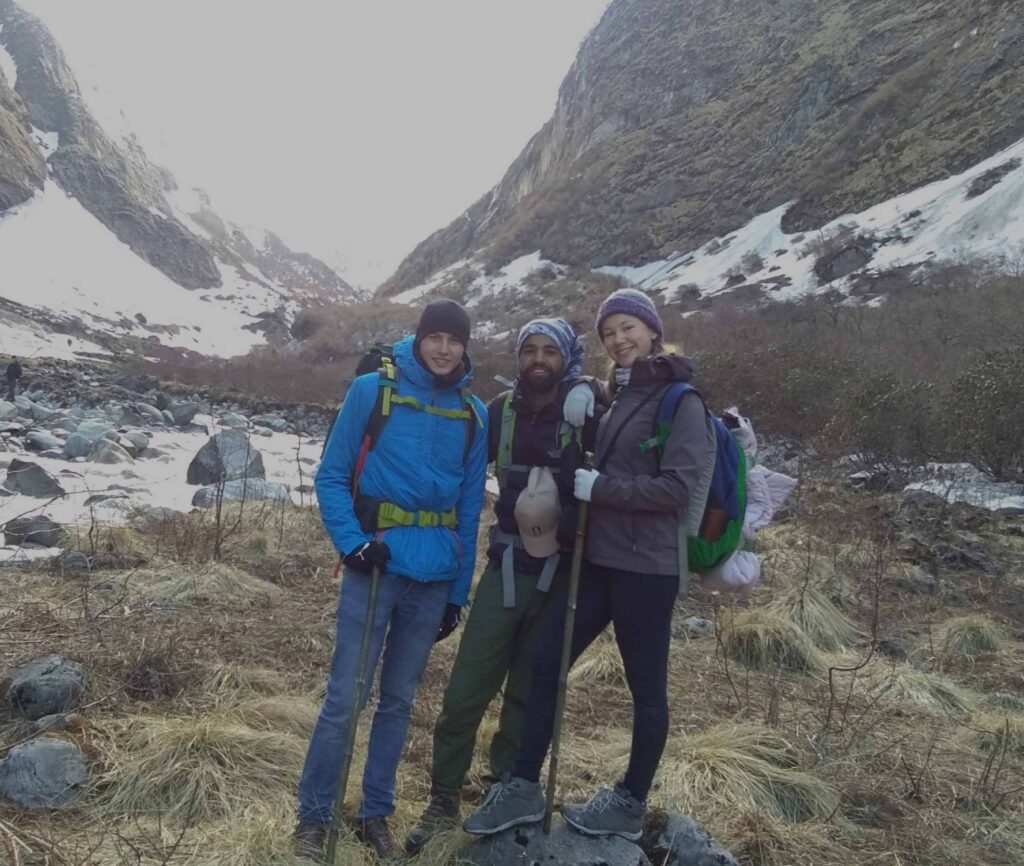
We’ll continue our adventure through dense bamboo and rhododendron forests, passing the villages of Bamboo, Dovan, and Himalaya. As we ascend, the scenery becomes more dramatic, revealing rocky cliffs, cascading waterfalls, and glimpses of snow-capped peaks. By the afternoon, we’ll arrive at Deurali (2,920m), a peaceful haven surrounded by towering mountains.
Trek to Annapurna Base Camp (ABC)
Today is the day we’ve been waiting for! A short but exhilarating trek brings us to Machhapuchhre Base Camp (MBC), where we’ll catch our first close-up views of Annapurna and Gangapurna. The final stretch to Annapurna Base Camp (4,095m) feels surreal, surrounded by a breathtaking natural amphitheater of Himalayan giants. Standing at the foot of the mighty Annapurna Massif is an experience that will stay with you forever.
Trek Back to Bamboo
After witnessing the sunrise over Annapurna, we begin our descent. The familiar trail takes us back through glaciers, alpine meadows, and forests, leading us to Bamboo (2,350m). The drop in altitude makes breathing easier, and the warmer air is refreshing after our time at high altitudes.
Trek to Jhinu and Drive to Pokhara
As we make our way down, we’ll pass Sinuwa and Chhomrong, savoring our last views of Machhapuchhre. Today’s highlight is reaching Jhinu Danda, where you can indulge in the natural hot springs—an ideal way to relax after days of trekking. After a refreshing soak, we’ll take a jeep ride back to Pokhara, where a comfortable hotel stay awaits.
Drive Back to Kathmandu
Our journey comes full circle as we drive back to Kathmandu. The contrast between the serene mountains and the lively streets of the city is striking. You’ll have the rest of the day to shop for souvenirs, explore local temples, or unwind at a cozy café.
Departure Day
As your Annapurna adventure comes to a close, we’ll transfer you to the airport for your flight home. You’ll leave not just with photographs but with a heart full of memories, stories of adventure, and a deep connection to the Himalayas.
Additional Information:
Permit and Visa
When planning your Annapurna Base Camp (ABC) Trek, two essential permits are required: the Annapurna Conservation Area Permit (ACAP), which grants you entry into the conservation area, and the TIMS Card (Trekkers’ Information Management System), mandatory for all trekkers. You can obtain both of these permits through a registered trekking agency like ours. Most nationalities can arrange for a tourist visa upon arrival at Tribhuvan International Airport in Kathmandu. For quicker processing, an online visa is also available through the official Nepal Immigration website. You’ll need to provide a valid passport (with at least six months’ validity), passport-size photos, and the visa fee in cash (USD).
Transportation
Starting your trek in Kathmandu, you have various transportation options, including tourist buses, domestic flights, or private vehicles. While tourist buses are the more economical choice, they lack the flexibility of private vehicles, which are pricier but more adaptable to your schedule. For the trek from Pokhara to Nayapul, you can choose between a taxi, jeep, or local bus. After completing the trek, you can take either a domestic flight or a bus back to Kathmandu.
Accommodation and Services
Along the route, you’ll find teahouses and lodges offering basic yet comfortable rooms with twin beds. Meals typically include Dal Bhat, noodles, soups, fried rice, pasta, and local dishes. While hot showers and charging facilities are available, expect to pay extra fees at higher altitudes. Keep in mind that as you ascend, accommodation options become simpler, and prices tend to rise.
Best Season
The optimal times for trekking are in spring (March–May) and autumn (September–November). Spring brings clear skies and blooming rhododendrons along with stable weather, while autumn offers excellent visibility, comfortable temperatures, and perfect trekking conditions. The off-seasons are winter and monsoon, where the trails can get muddy and leech-prone during the monsoon, while winter brings cold temperatures and possible snow, although it also means fewer crowds and cloudier skies.
Booking Policy and Required Documents
To secure accommodations, especially during peak trekking seasons, it’s advisable to book in advance. When booking, you’ll need to provide a valid passport copy, travel insurance (which must include emergency helicopter evacuation), and passport-size photos for your trekking permits. A deposit of 20–30% is required to confirm your trek, with the balance payable upon your arrival in Nepal.
For Booking & Cancellation Policy: click here
Emergency Evacuation and Safety Tips
Be aware that Altitude sickness can set in above 3,000 meters, so it’s vital to acclimatize and stay well-hydrated. Keep the contact details of local guides and travel agencies handy. In emergencies, helicopter evacuations are available from Gorakshep, Pheriche, and Lukla, but ensure this is covered by your travel insurance. Make sure your insurance includes high-altitude trekking (up to 4,500 m) and emergency evacuation coverage. Basic health posts are available in villages, while advanced hospitals can be found in Kathmandu for serious medical issues. If you start experiencing headaches, nausea, or dizziness, let your guide know right away.
EQUIPMENTS
- Warm jacket (down or fleece)
- Waterproof jacket & pants
- Trekking shirts (2-3, lightweight & quick-dry)
- Trekking pants (2-3 pairs)
- Thermal inner layers (top & bottom)
- Wool or fleece sweater (for warmth)
- Warm hat, sun hat & buff/scarf
- Gloves (light & warm)
- Strong trekking boots (waterproof & comfortable)
- Warm socks (4-5 pairs)
- Camp shoes/slippers (for evening)
- Backpack (50-60L) if carrying your own gear
- Small daypack (20-30L) for daily use
- Duffel bag (if hiring a porter)
- Sleeping bag (-10°C to -15°C rating)
- Sleeping bag liner (for extra warmth)
- Trekking poles (for balance & knee support)
- Headlamp (with extra batteries)
- Sunglasses (UV protection)
- Water bottles (1L x 2) or hydration pack
- Water purification tablets/filter
- Towel, wet wipes & hand sanitizer
- Sunscreen & lip balm (SPF 40+)
- Toilet paper
- Personal medicines
- Altitude sickness pills (Diamox, if needed)
- Painkillers & anti-diarrhea tablets
- Blister plasters & antiseptic cream
- Electrolyte powders
- Camera/phone & power bank
- Snacks (energy bars, nuts, chocolate)
- Cash (NPR, as ATMs are rare)
- Small lock (for bags)
- Passport & trekking permits (TIMS & Annapurna Permit)
- Travel insurance (covering trekking)
Frequently Asked Questions
The Annapurna Base Camp Trek is more than just a walk. It is a journey filled with stunning landscapes, warm local hospitality, and breathtaking mountain views. From the busy streets of Kathmandu to the peaceful forests, flowing rivers, and high Himalayan peaks, every step brings a new adventure.