
Kailash Mansarovar Yatra by Helicopter
Be the first to review!
Arrival → Kathmandu → Nepalgunj → Simikot → Hilsa → Taklakot (Purang) → Mansarovar Lake → Darchen → Yamadwar → Dirapuk → Drolma La Pass → Juthulpuk → Hilsa → Simikot → Nepalgunj → Kathmandu → Departure
Overview
Kailash Mansarovar Yatra by Helicopter Overview
Experience the divine Kailash Mansarovar Yatra like never before—swift, safe, and comfortable by helicopter.
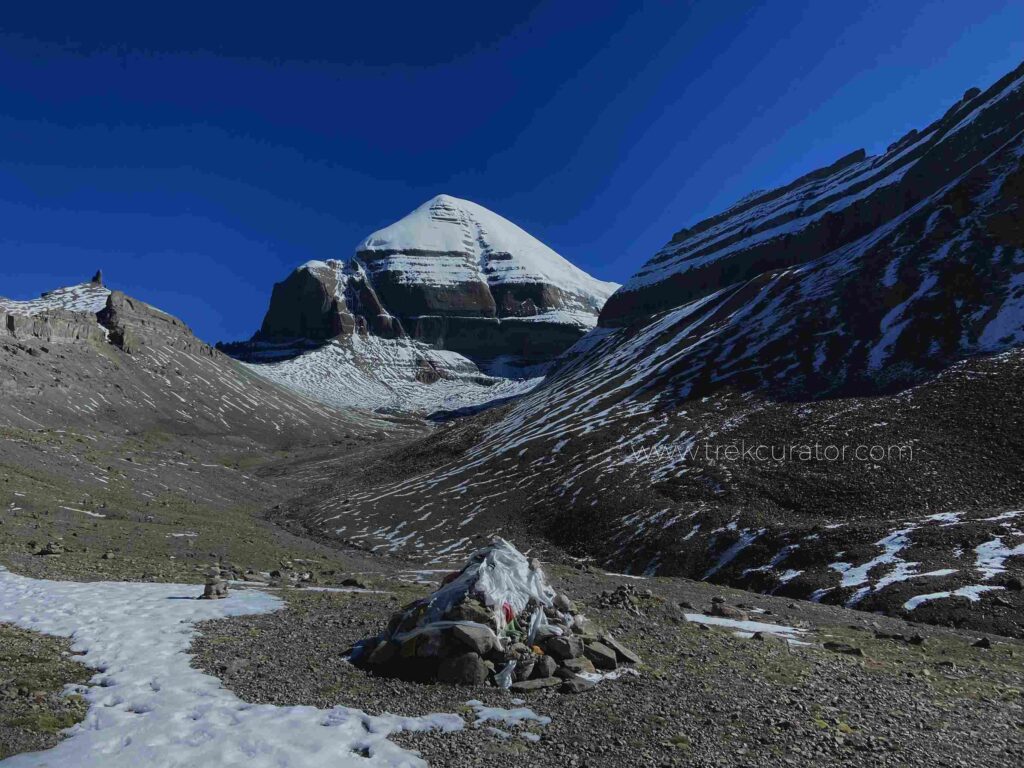
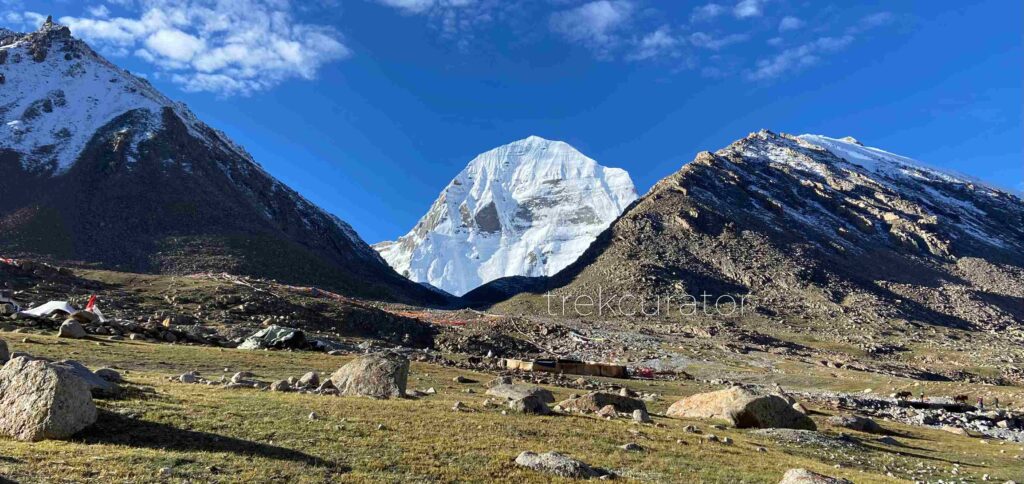
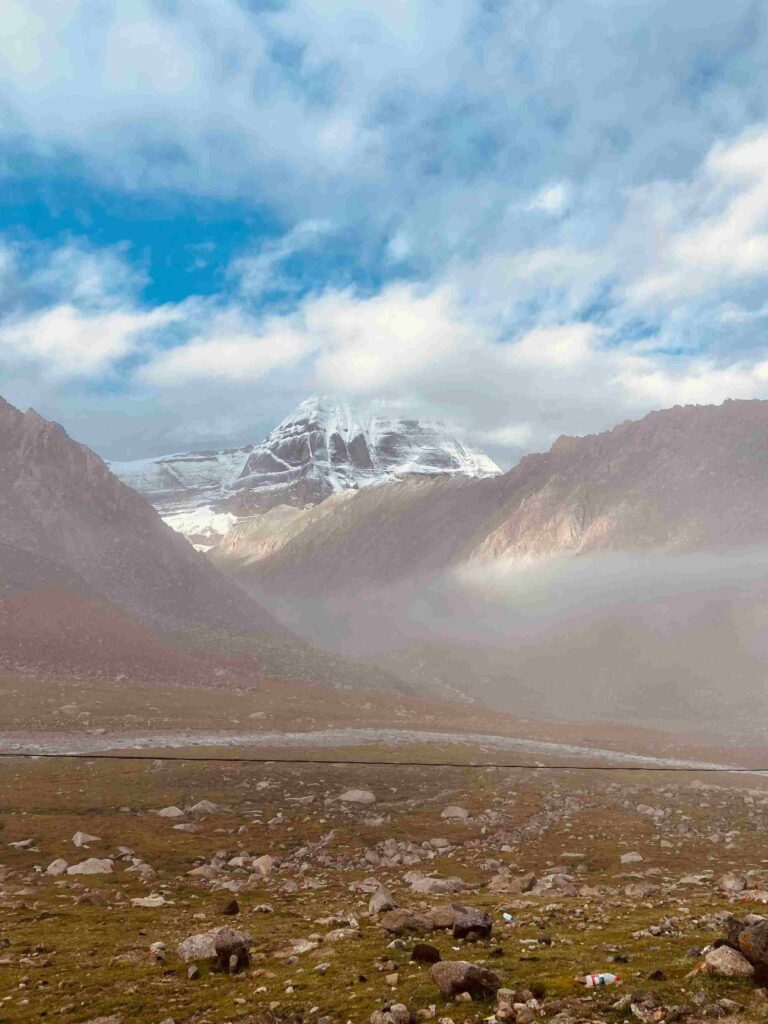
The Kailash Mansarovar Yatra by helicopter offers a remarkable journey to Mount Kailash (6,638 m) and Lake Mansarovar (4,550 m), situated in the Tibet Autonomous Region. This pilgrimage site holds profound significance for Hindus, Buddhists, Jains, and followers of Bon alike. Mount Kailash, revered as the spiritual center of the universe, is an iconic peak that remains untouched by climbers, preserving its sanctity and mystical allure through the ages. Also, Lake Mansarovar is one of the highest freshwater lakes globally, believed to be the source of four major rivers: the Indus, Sutlej, Brahmaputra, and Karnali. For many spiritual seekers around the world, it is considered the abode of Lord Shiva.
Completing the Kora (parikrama) around Kailash is a deeply spiritual journey that pilgrims believe can erase a lifetime’s sins. Further, the route travels through the stunning landscapes of Nepal and Tibet, blending breathtaking Himalayan beauty with enriching spiritual traditions. Opting for the helicopter route is perfect for those who wish to undertake the yatra without the physical strain of long treks while still immersing themselves in the sacred atmosphere of Kailash.
Scenic Helicopter Ride Over the Himalayas from Simikot to Hilsa
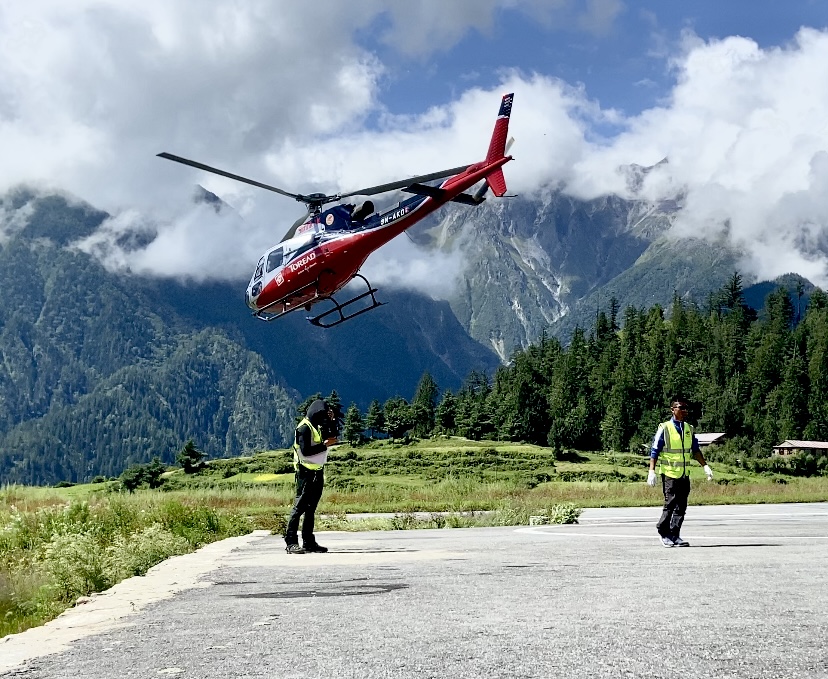
The helicopter journey presents awe-inspiring aerial views of snow-capped Himalayan peaks and secluded valleys, offering a rare glimpse of these majestic landscapes. Additionally, it ensures a safe and efficient crossing from Nepal into Tibet at high altitudes.
Holy Lake Mansarovar
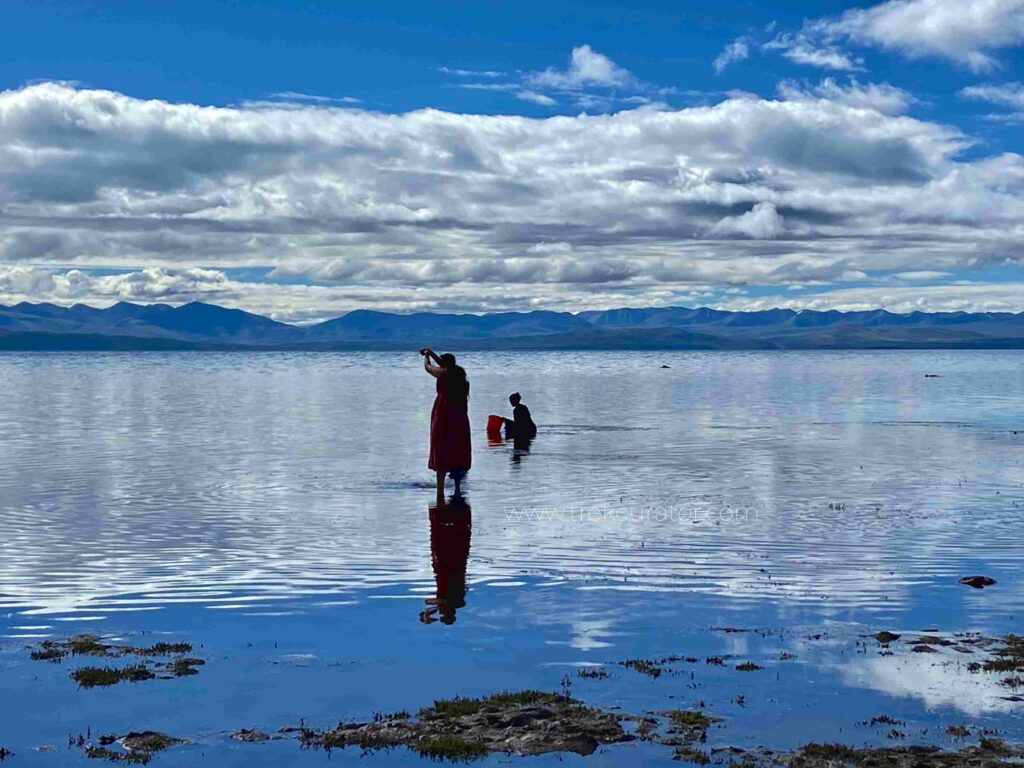
This revered lake, one of the highest freshwater bodies on Earth, invites ritual bathing and meditation. Pilgrims believe that immersing themselves in its pristine waters cleanses sins and purifies the soul, making it a sacred spot for traditional prayers and offerings in accordance with Hindu and Buddhist customs.
Mount Kailash Parikrama (Kora)
The 52 km trek around Mount Kailash is an essential part of the pilgrimage, taking three days to complete and providing spiritual purification. Walking the Kora wipes away past sins and bestows blessings and enlightenment, as the path passes culturally significant sites, including Yamadwar (the Gate of Death) and ancient monasteries.
Crossing the Drolma La Pass (5,650 m)
The most challenging section of the Kora trek involves a steep ascent to the highest point. This crossing not only demands physical endurance but also symbolizes overcoming life’s obstacles and rebirth in spiritual journeys while rewarding trekkers with breathtaking panoramic views of the surrounding landscape and Mount Kailash.
Why Choose Kailash Mansarovar Yatra by Helicopter
Kailash Mansarovar is one of the most sacred and powerful pilgrimage sites on Earth, offering a once-in-a-lifetime experience for those seeking divine connection and inner peace. The helicopter option makes this extraordinary journey accessible to those who may struggle with longer treks, including senior travelers who are reasonably fit. Moreover, this air route significantly cuts down travel time compared to overland paths. Ultimately, the yatra encapsulates both a physical challenge and a profound spiritual transformation within a serene Himalayan setting, leaving a lasting impact on all pilgrims who embark on this sacred journey.
Make this sacred journey effortless and unforgettable—book your Kailash Mansarovar helicopter yatra today.
Wants Variety
– [Kailash Mansarovar Yatra Overland via Kerung trip package – Most Popular]
– [Kailash Mansarovar Yatra via Lhasa trip package – Cultural Route]
✅ What's Included:
All domestic flights & helicopter transfers as per itinerary
Tibet Travel Permit & Group Visa
Accommodation (Kathmandu hotel + Tibet guesthouses)
Pure vegetarian meals during the yatra
All ground transportation in Tibet
Nepali tour leader & Tibetan guide
Oxygen cylinders, first-aid kit, oximeter
Duffel bag, jacket (if applicable)
❌ Price Excludes:
International flights
Personal travel insurance
Horse/porter during parikrama
Emergency evacuation costs
Tips to guides/drivers
Personal expenses (laundry, phone calls, hot showers, etc.)

Itinerary Overview
Day 1: Arrival in Kathmandu (1,330m)
Day 2: Kathmandu Sightseeing
Day 3: Kathmandu to Nepalgunj by flight (150m)
Day 4: Nepalgunj to Simikot flight (2910m) / Simikot to Hilsa Helicopter / Taklakot (4025m)
Day 5: Acclimatization in Taklakot
Day 6: Drive from Taklakot to Mansarovar (4,550m) 2 hrs
Day 7: Mansarovar Exploration drive to Darchen (4,600m) 1 hrs
Day 8: Darchen to drive Yamadwar Trek to Dirapuk / 4,920m (Kora starts) 5-6 hrs
Day 9: Dirapuk to Juthulpuk / 4820m (Drolma La Pass - 5,650m) 8-9 hrs
Day 10: Juthulpuk to Hilsa
Day 11: Hilsa to Simikot Helicopter Fly Simikot to Nepalgunj and Kathmandu.
Day 12: Departure
Detail Itinerary
Arrival in Kathmandu (1,330m)
Upon your arrival at Tribhuvan International Airport, a representative from Trek Curator will greet you and assist with your transfer to the hotel. After checking in, take some time to relax and settle in. You’ll receive duffel bags, jackets, and other essentials, and have the chance to meet fellow pilgrims who will join you on this journey. In the evening, feel free to explore the café restaurants or local markets for any last-minute shopping needs, such as warm clothing, walking sticks, and medications. Enjoy your overnight stay in Kathmandu
Kathmandu Sightseeing
After breakfast at the hotel, you’ll set off to visit the Pashupatinath Temple, an important Shiva temple located along the banks of the Bagmati River. Here, you’ll have the opportunity for darshan blessings before your yatra. You may witness the mesmerizing morning aarti rituals, traditional cremations, and the meditative practices of sadhus. Next, you’ll visit the Jal Narayan temple to see the Reclining Vishnu statue. Afterward, head to the majestic Boudhanath Stupa, a central hub for Tibetan Buddhists. Your journey will conclude at the Swayambhunath Stupa, often referred to as the “Monkey Temple,” which offers breathtaking panoramic views of the Kathmandu valley. Later in the day, you’ll receive a briefing on the yatra schedule, documentation requirements, and medical preparation, including the distribution of Tibet visas and permits. Finally, check your packing and gear to ensure you’re ready for the trek ahead.
Kathmandu to Nepalgunj by flight (150m)
Today, you’ll fly to Nepalgunj, situated near the Indian border in the tropical lowlands. After breakfast, head to the airport for the 45-minute flight, where you can enjoy stunning views of the mountainous terrain. Once you arrive in Nepalgunj, check in at your hotel and take time to rest, as the drop in altitude may leave you feeling heavier. You can also explore the local area and markets, but remember to review your gear and trekking equipment before venturing into higher altitudes. You’ll spend the night in Nepalgunj.
Nepalgunj to Simikot flight (2910m) / Simikot to Hilsa Helicopter / Taklakot (4025m)
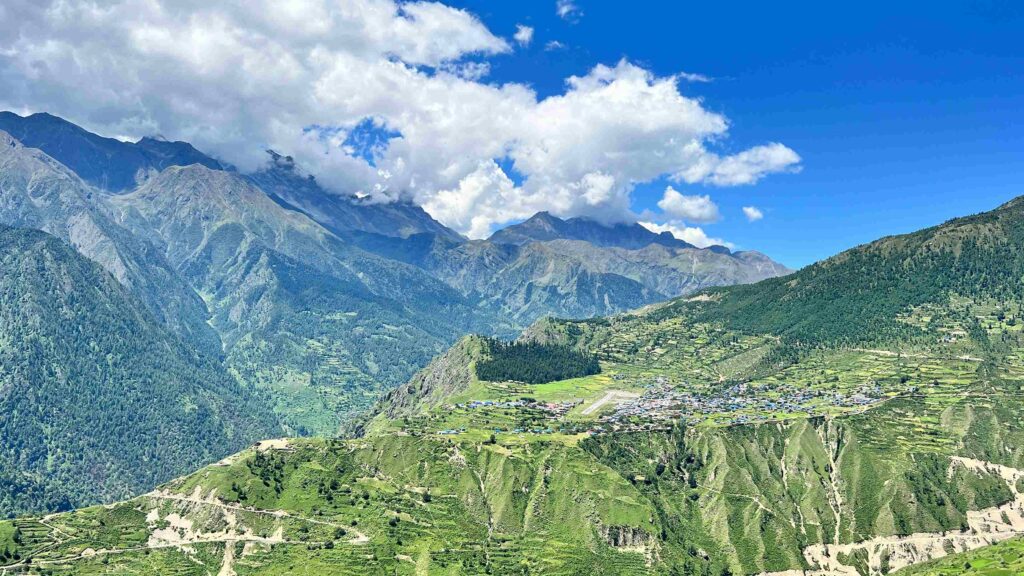
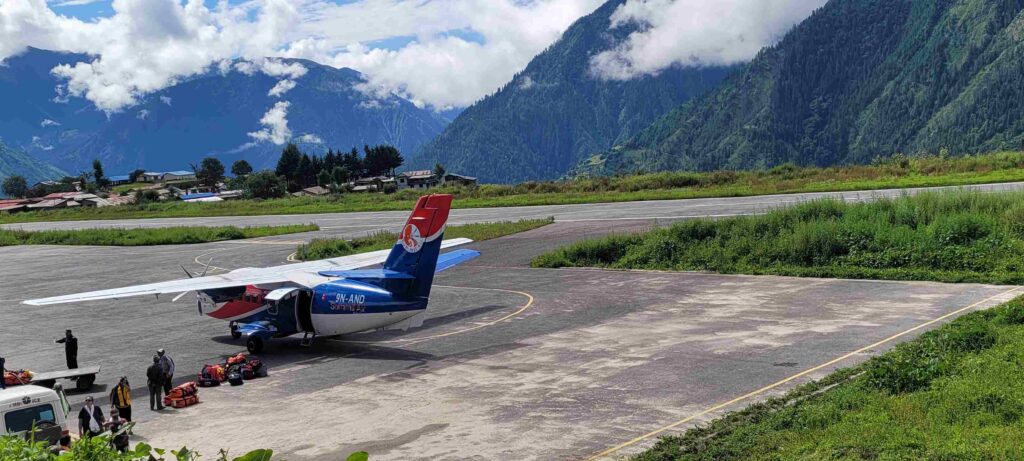
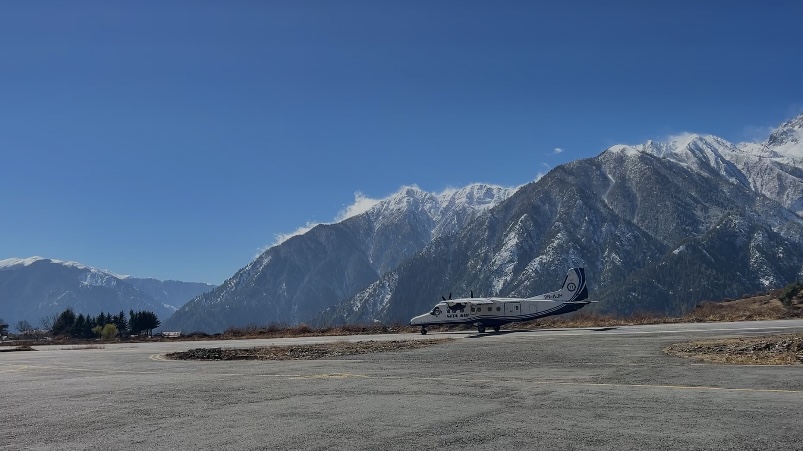
Start your day with an early flight to Simikot, which serves as the gateway to the Tibetan plateau. After a brief acclimatization period and soaking in the mountain views, you’ll take a helicopter transfer to Hilsa, the border town where customs and immigration take place for entering Tibet. Continuing your journey, you’ll enjoy another helicopter ride to Taklakot, located in the Tibet Autonomous Region, taking in the spectacular scenery from above. With a rapid ascent from 150m to 4,025m, be mindful of the risk of mild altitude sickness—carrying medications for Acute Mountain Sickness (AMS) such as Diamox is advisable. In the evening, consider a stroll to the local market or monastery in Taklakot. Overnight accommodation will be in a guesthouse, where you should focus on staying hydrated and enjoying light meals.
Acclimatization in Taklakot
This day is dedicated to helping you adjust to the high-altitude oxygen levels. You can partake in various activities, like gentle morning walks or light yoga near your guesthouse, making sure to drink at least 3 liters of warm water daily. There’s also an opportunity for an optional visit to the Purang Monastery or the local market, where you can find Tibetan goods like yak wool, dried fruits, and prayer flags. It’s wise to avoid long showers and heavy meals; instead, opt for boiled potatoes and garlic soup, known to help with altitude adaptation. In the evening, a group medical check will be conducted, including pulse oximeter readings and blood pressure checks, followed by a spiritual discussion and meditation with your fellow pilgrims.
Drive from Taklakot to Mansarovar (4,550m) 2 hrs
On this day, you will drive to Lake Mansarovar, one of the holiest lakes in Asia, symbolizing purity and the source of four major rivers: the Brahmaputra, Sutlej, Indus, and Karnali. The 3-hour drive will take you through scenic yet rugged landscapes across high-altitude plains, where you’ll be treated to your first sighting of Mount Kailash from a distance—a profoundly emotional and spiritual moment. Upon your arrival at Lake Mansarovar, you will perform the Manasarovar parikrama (circumambulation) by vehicle, followed by a holy dip (snan) in the lake, which is believed to wash away the sins of 100 lifetimes. You can also perform a ritual puja, hawan (fire ceremony), and meditation by the lakeshore. After these sacred activities, don’t miss the opportunity to visit the Chiu Monastery (Chiu Gompa), perched atop a hill, offering beautiful panoramic views of the lake. You’ll spend the night in a guesthouse near Mansarovar.
Note: The water is icy cold. Consider pouring a few drops on your head symbolically instead of taking a full dip if you’re sensitive to the cold.
Mansarovar Exploration drive to Darchen (4,600m) 1 hrs
Start your day early to witness the breathtaking sunrise over Mount Kailash reflecting in Lake Mansarovar, a perfect moment for photography. You can engage in various rituals at the lake, such as performing a Rudrabhishek with the water collected from Mansarovar and taking time for meditation or silent prayer to purify your spirit. Next, you’ll have the chance to visit Rakshas Tal, the Lake of the Demon, which has connections to Ravana from the Ramayana. After soaking in the spiritual energy of Mansarovar, enjoy a one-hour scenic drive to Darchen, the base camp for the Mt. Kailash Kora. Upon arrival in Darchen, your health will be checked by Chinese officials. You can hire porters or yaks and ensure your trekking gear is ready, packing a small day bag for the upcoming three-day kora. In the evening, take in the stunning view of Mt. Kailash’s southern face from Darchen. You’ll spend the night in Darchen.
Darchen to drive Yamadwar Trek to Dirapuk / 4,920m (Kora starts) 5-6 hrs
Today marks the beginning of your three-day kora around the sacred mountain. After breakfast, you’ll drive to Toyamadwar, known as the ‘gate of the god of death,’ signifying the start of the Kailash Kora. Here, pilgrims typically perform a symbolic act of leaving behind their ego and sins. Your journey continues with a moderate 12 km hike to the Dirapuk monastery, offering panoramic views of Mount Kailash’s North Face and the Lha Chu River Valley. Keep an eye out for Himalayan blue sheep and marmots as you walk. Upon reaching the Dirapuk monastery, enjoy a direct view of the northern face of Mt. Kailash, ideal for some evening meditation and photography. As the sun sets, you’ll have a darshan of the magnificent northern face glowing in the twilight. You may also wish to perform rituals, chanting “Om Namah Shivaya” and offering incense to Lord Shiva. You’ll stay overnight at a basic yet spiritually uplifting guesthouse in Dirapuk.
Dirapuk to Juthulpuk / 4820m (Drolma La Pass - 5,650m) 8-9 hrs
Today, the trek will be both spiritually enriching and physically demanding. You’ll start your ascent early in the morning, around 5 am, to cross Drolma Pass, the highest point of the journey, symbolizing liberation from sins. Begin with a steep 6 km climb up to the pass, where you will be greeted by colorful prayer flags and a beautiful view. Pilgrims often leave behind old clothes or personal items here, representing rebirth and renewal. After making your way over Drolma Pass, you’ll visit Gauri Kunda, or Parvati Kunda, a sacred lake where Goddess Parvati is said to have bathed. Soon after, you’ll descend towards Zuthulpuk valley. The trek is around 10 km before reaching Zuthulpuk, where you can visit the Zuthulpuk Monastery (4,820m), famous for its Milarepa cave, where the Tibetan saint meditated. You’ll spend the night at the guesthouse in Zuthulpuk.
Juthulpuk to Hilsa
This marks the final day of the Kailash Kora. Begin your morning with meditation at Zuthulpuk Cave. Then, embark on an 8 km trek, which will take about 2 to 3 hours, along the serene river valley offering stunning Tibetan landscapes. This trek will lead you to the final checkpoint near Darchen, completing your sacred Kora (Parikrama). Afterward, you’ll board a vehicle and head back to Hilsa via Darchen and Taklakot, returning to this border town. In the evening, you can enjoy a pleasant walk in Hilsa, unwind, and celebrate the successful completion of your sacred journey with the team. You’ll stay overnight in a guesthouse in Hilsa.
Hilsa to Simikot Helicopter Fly Simikot to Nepalgunj and Kathmandu
Your day begins with a scenic helicopter ride from Hilsa to Simikot, taking approximately 20 minutes. Upon arriving in Simikot, you’ll board another flight to Nepalgunj, which lasts about 45 minutes. From Nepalgunj, your journey continues with a flight back to Kathmandu, taking roughly an hour. After reaching Kathmandu, take some time to rest in your hotel room or enjoy a short stroll through the bustling Thamel market for souvenir shopping, such as Thangka paintings or Tibetan incense. In the evening, you’ll gather with fellow pilgrims for a farewell dinner, celebrating a journey well-traveled.
Departure
On your final day, enjoy breakfast before holding a brief farewell meeting with the team. You’ll receive your Certificate of Completion for the Kailash Mansarovar Yatra. Depending on your flight schedule, a representative will pick you up at the airport. Since traffic in Kathmandu can be unpredictable, it’s best to prepare early for your departure. You’ll leave with cherished memories, a sense of spiritual fulfillment, and the transformations you experienced during this incredible journey.
Additional Information:
Permit and Visa
Travelling to Mount Kailash and Lake Mansarovar requires special permits, as this region falls within the Tibet Autonomous Region of China. Whether you’re an Indian citizen or a Non-Resident Indian (NRI), it’s essential to remember that independent travel to Kailash is not permitted; all pilgrims must join a registered tour operator like us.
For Indian Passport Holders:
You’ll need a Tibet Travel Permit and a Group Visa, both of which will be arranged by our team. There’s no need for you to apply for a Chinese visa yourself; we’ll take care of that as part of the group visa application processed in Delhi before entering Nepal. As for the yatra in 2025, the official decision on starting it is pending.
For NRIs/Foreign Passport Holders:
The visa process for NRIs slightly differs and requires a group permit list. Typically, the Chinese Visa Centre and Embassy in Kathmandu will need your original passport for 3–4 working days. To avoid any last-minute hiccups, we highly recommend that all travelers send us their passport scans and relevant documents well in advance, ensuring that your name is included in the permit list.
Landscape and Transportation
Get ready to be mesmerised by the stunning, untouched beauty of the Tibetan plateau. The scenery transforms dramatically as you travel, from the lush hills surrounding Kathmandu to the stark, high-altitude deserts of Tibet, where majestic snow-capped mountains stand silently in the background.
To ensure both comfort and safety on this rugged journey, we use well-maintained vehicles such as Toyota Land Cruisers or modern buses, depending on the group size and road conditions. Each vehicle is operated by experienced Tibetan drivers familiar with the altitude and terrain, making a world of difference on your trip.
Expect a mix of smooth roads, some off-road patches, and long, scenic drives, so having the right vehicles is crucial.
Meals Prepared by Our Kitchen Staff
Even in the heights of the Himalayas, your meals must nourish both body and spirit. Thus, we bring along our trained kitchen staff and all necessary supplies for the entire trip.
You will be served freshly prepared, pure vegetarian meals tailored to your comfort. Our dishes are generally simple yet nutritious, featuring rice, dal, vegetables, soups, tea, and fruits, all with careful attention to hygiene and your dietary needs.
Daily hot water for drinking and morning tea will be provided, and we can accommodate Jain and no-onion-garlic diets upon request. Meals are served in clean, communal dining tents or halls whenever available.
Horses and Porters for Parikrama
The Kailash Parikrama is not only spiritually significant but also physically demanding. Fortunately, in Tibet, you can hire horses and porters locally for the three-day trek, which can be especially helpful for older pilgrims or those still acclimatizing.
Horse with Handler: The horse can carry you during the Parikrama, except over the Dolma La Pass.
Porters: They can carry your daypack, water, snacks, or even oxygen canisters if necessary.
While hiring a horse and porter is optional and not included in the base package price, we can assist you with advance arrangements or help you book them in Darchen before your trek begins.
Accommodation and Services
While luxury is limited in these remote areas, we strive to provide the best possible accommodation at each stop. In Kathmandu, you’ll enjoy a comfortable stay in a 3-star or 4-star hotel, complete with hot showers, Wi-Fi, and modern amenities.
In Tibet, you’ll stay in 3-star hotels in major cities. At Lake Mansarovar and during the Parikrama, you can expect basic guesthouses or tented camps. While accommodation may be simple, we ensure it is clean, with warm meals and a welcoming atmosphere. Many remote locations may lack running hot water, but we provide warm blankets and basic bedding to ensure your comfort.
Our team consists of a Nepali tour leader, a Tibetan guide, kitchen staff, and support personnel who travel with you throughout the journey, ensuring smooth logistics, daily briefings, and personal assistance.
Fitness Requirement & Age Limit
Especially important for senior pilgrims.
Minimum fitness requirement (ability to walk 5–6 hrs/day at altitude)
Recommended age range (e.g., 18–70 years, subject to medical fitness)
Medical certificate requirement (if any)
Booking Policy and Required Documents
To secure your seat for the Kailash Mansarovar Yatra in 2025, you’ll need to make an advance deposit at the time of booking. The remainder can be paid in instalments according to the booking policy you received.
Required documents include:
– Passport scan (valid for at least six months from the tour start date)
– Passport-size photographs (digital image with a white background)
– Proof of citizenship (for Indian citizens)
We recommend booking early, as the Chinese permit process requires group arrangements, and seats fill up well in advance.
For Booking & Cancellation Policy: click here
Emergency Evacuation
Your health and safety are our top priorities during high-altitude travel. While we take every precaution, emergency evacuation services are in place for situations involving acute mountain sickness, injuries, or severe weather.
Our team carries basic first aid supplies, oxygen cylinders, and oximeters to monitor your oxygen levels daily. In the event of a serious medical issue, we coordinate with local authorities and hospitals for evacuation to the nearest healthcare facility or back to Kathmandu, depending on the severity. Helicopter evacuation can be arranged once you’re inside Nepal’s territory, usually at an additional cost. Also pigrims must have Mandatory high-altitude travel insurance, and Coverage should include helicopter evacuation up to 6,000m
EQUIPMENTS
- Valid passport (with minimum 6 months validity)
- Photocopies of passport and visa
- Yatra permit & travel insurance papers
- Passport-size photographs (4–6 copies)
- Warm jackets (down or feather)
- Windproof & waterproof outer shell
- Thermal inner wear (2–3 sets)
- Fleece sweaters or pullovers
- Quick-dry trekking pants (2–3 pairs)
- Light T-shirts or shirts
- Woolen cap, sun hat & scarf
- Warm gloves and socks (4–5 pairs)
- Comfortable walking shoes / trekking boots
- Slippers or sandals (for camp use)
- Sunglasses with UV protection
- Sunblock cream (SPF 50+) & lip balm
- Personal toiletries & wet wipes
- Towel and handkerchiefs
- Water bottle / thermos flask
- Trekking pole / walking stick
- Small backpack (day pack)
- Duffel bag (for main luggage – soft type)
- Personal medication (as prescribed)
- First-aid kit (band-aids, antiseptic cream, pain relievers, etc.)
- Diamox or similar for altitude sickness (consult doctor)
- Oxygen cylinder / portable oxygen can (optional but recommended)
- Power bank & spare batteries
- Flashlight / headlamp
- Camera or mobile phone
- Dry fruits, energy bars, chocolates
- Plastic zip-lock bags (to protect electronics from moisture)
Frequently Asked Questions
The Kailash Mansarovar Yatra by helicopter is a unique service offered by Trekcurator, enabling pilgrims to visit the breathtaking Mount Kailash and the serene Lake Mansarovar with ease. This option significantly cuts down on travel time compared to other methods, making it one of the simplest ways to embark on this spiritual journey. The flights typically operate from designated base locations near the India-Tibet border, with Simikot being the most common.
Both Indian citizens and foreign nationals with valid travel documents are welcome to join this journey. It is particularly recommended for the elderly, those who are unwell, or anyone with limited time. However, pilgrims should be in reasonably good physical shape to participate.
The best time for the Yatra is from May to September when weather conditions are generally favorable. The peak months are June through August, so it’s advisable to book your trip well in advance.
No prior experience with high-altitude travel is required, though acclimatization can be beneficial. Traveling by helicopter helps ease the physical demands compared to trekking, but some adjustment to the altitude is still necessary.
Yes, travelers must obtain Tibetan travel permits. An authorized tour operator will handle the application process for these permits.
Helicopter flights are quite dependent on weather conditions, so there may be delays or rescheduling. It’s best to stay flexible in this regard.
To ensure a seamless experience, make sure to book your trip ahead of time to secure your travel visas and permits. Keep all essential documents on hand at all times, and remember to adhere to health and safety guidelines, including staying hydrated and allowing time to rest at high altitudes.