
Annapurna Circuit Tilicho Lake Trek
Be the first to review!
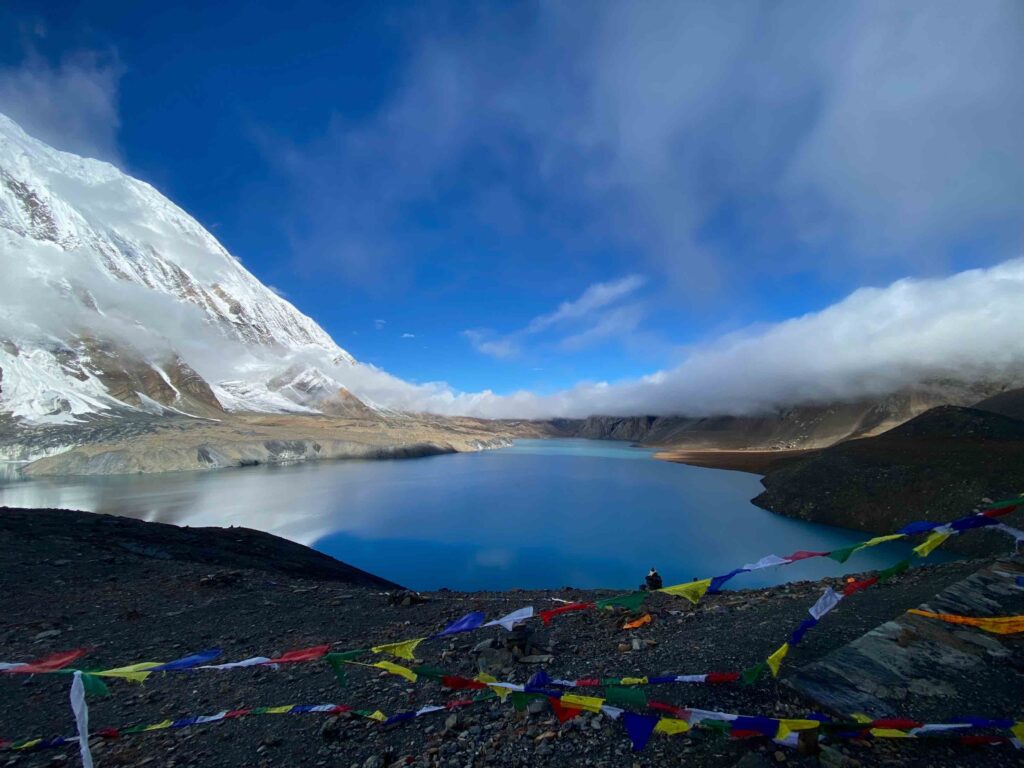
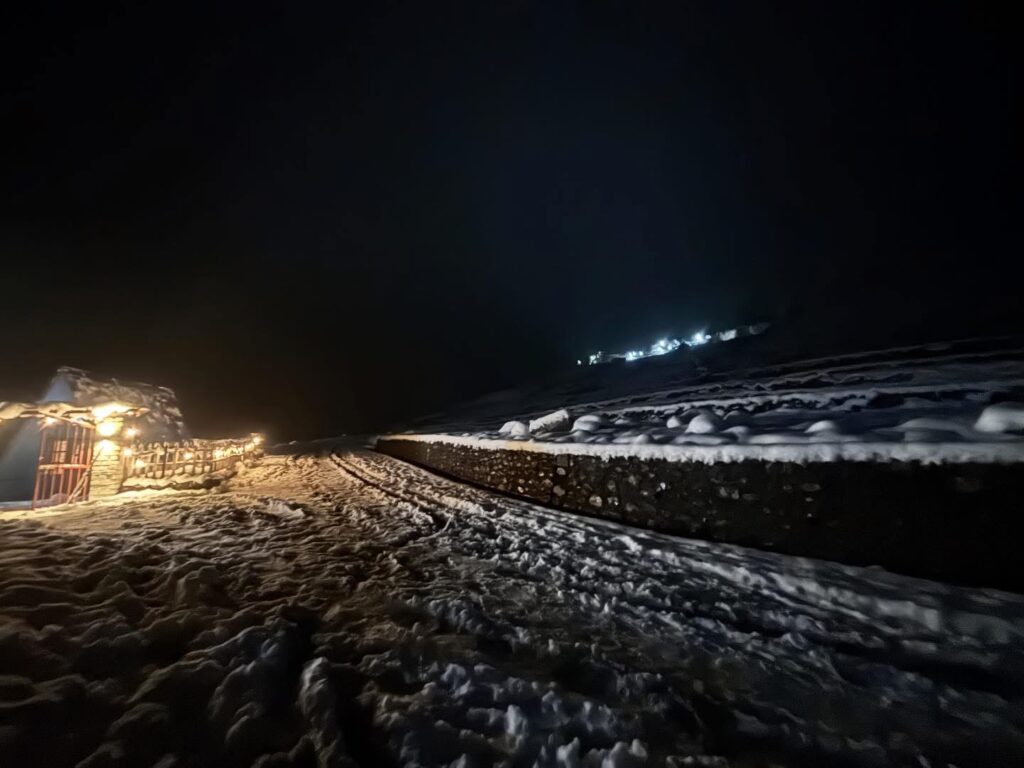
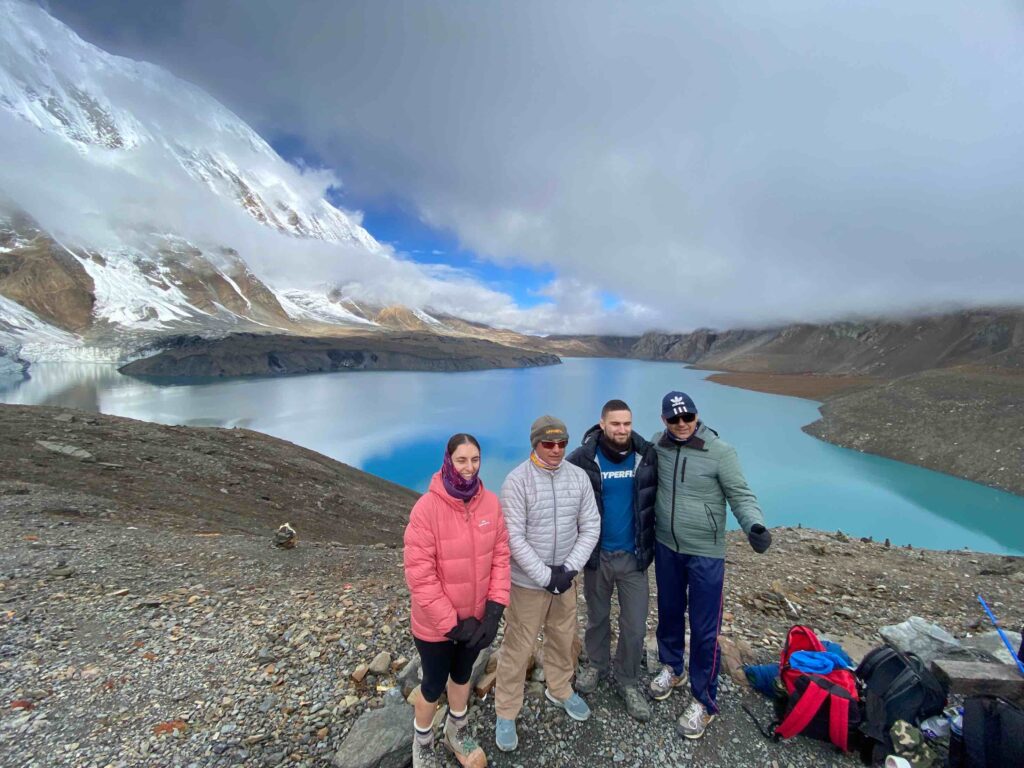
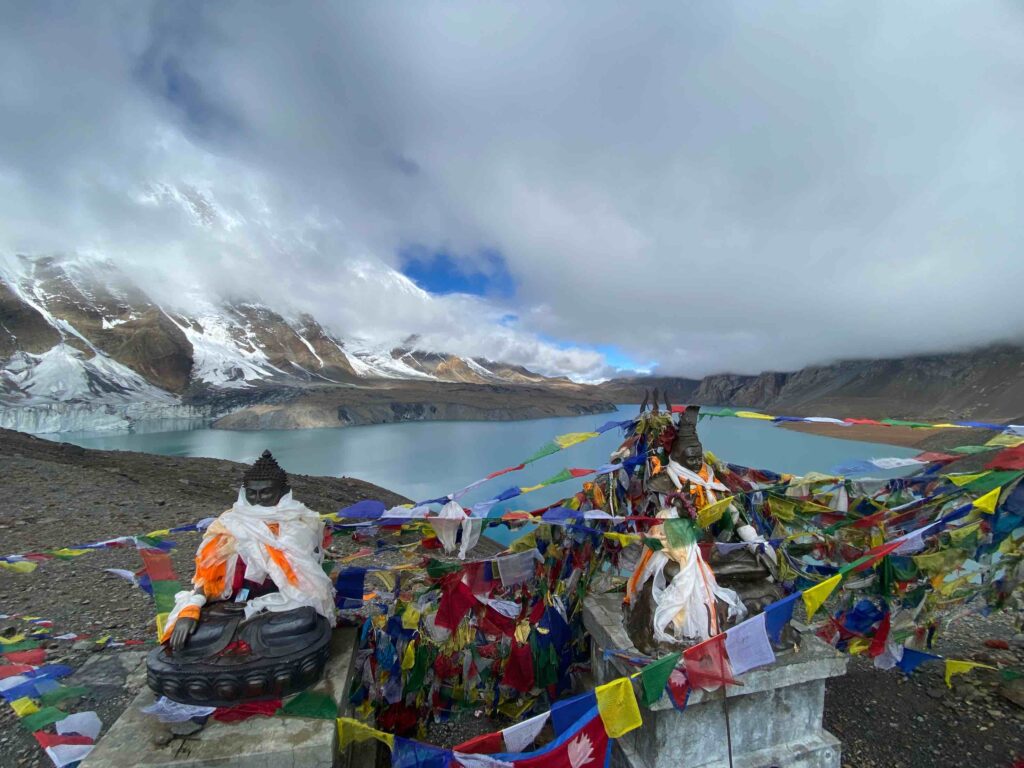
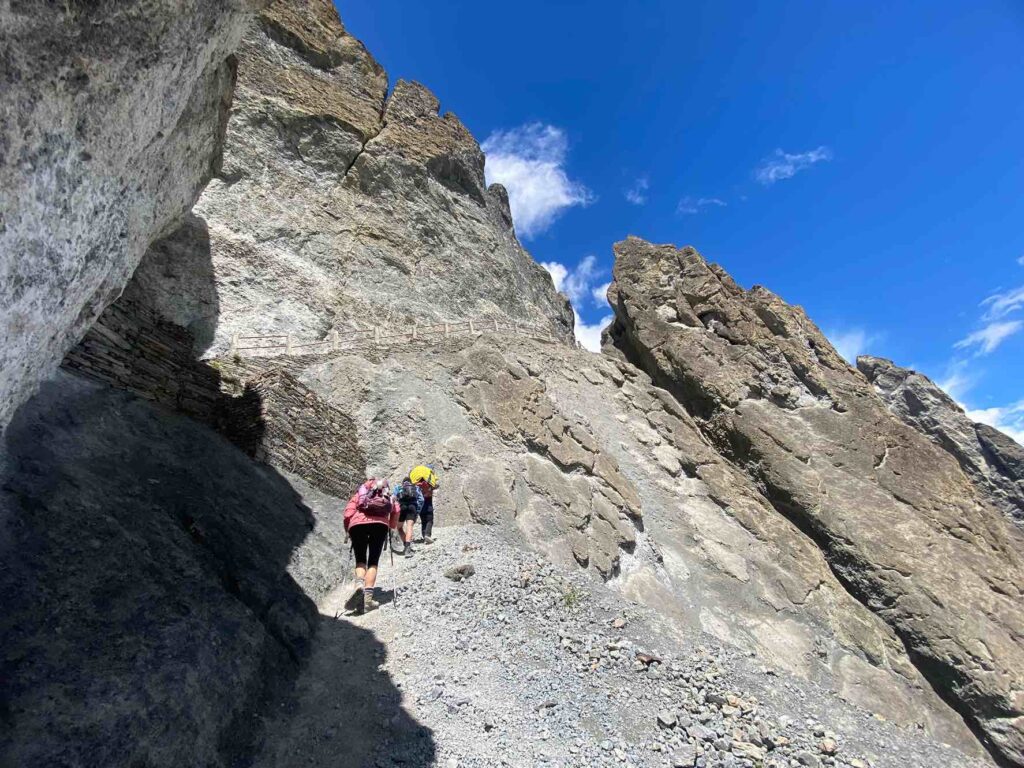
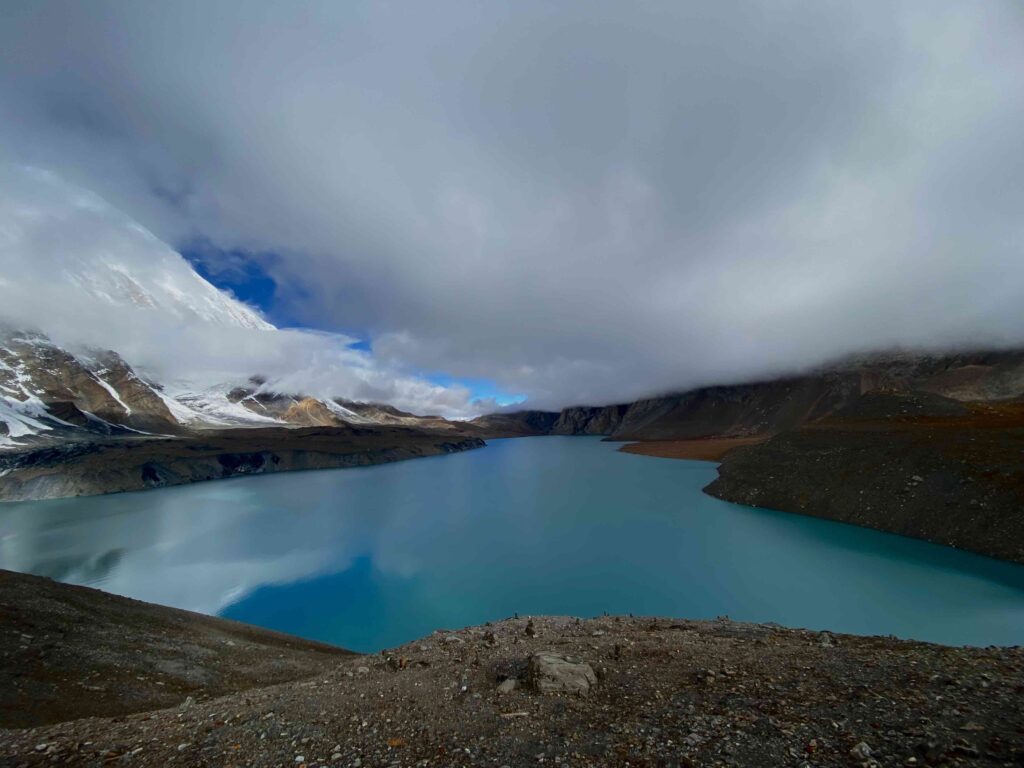
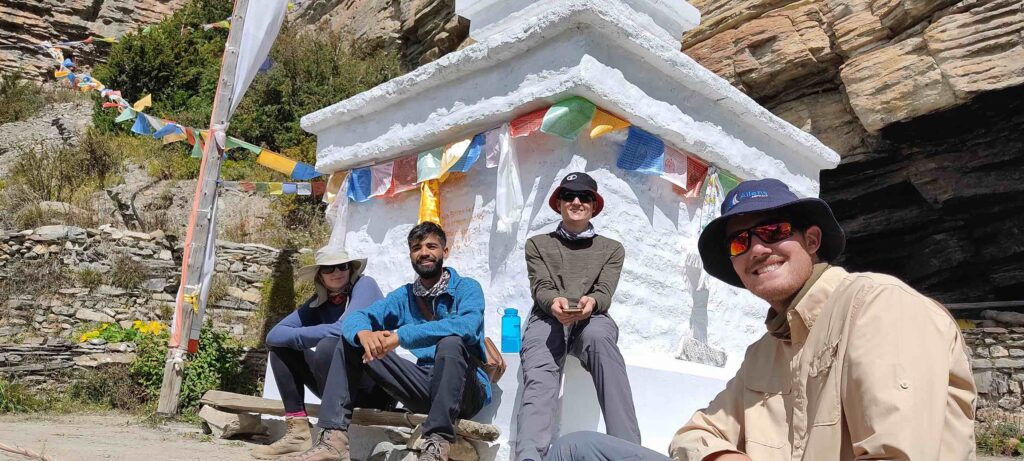
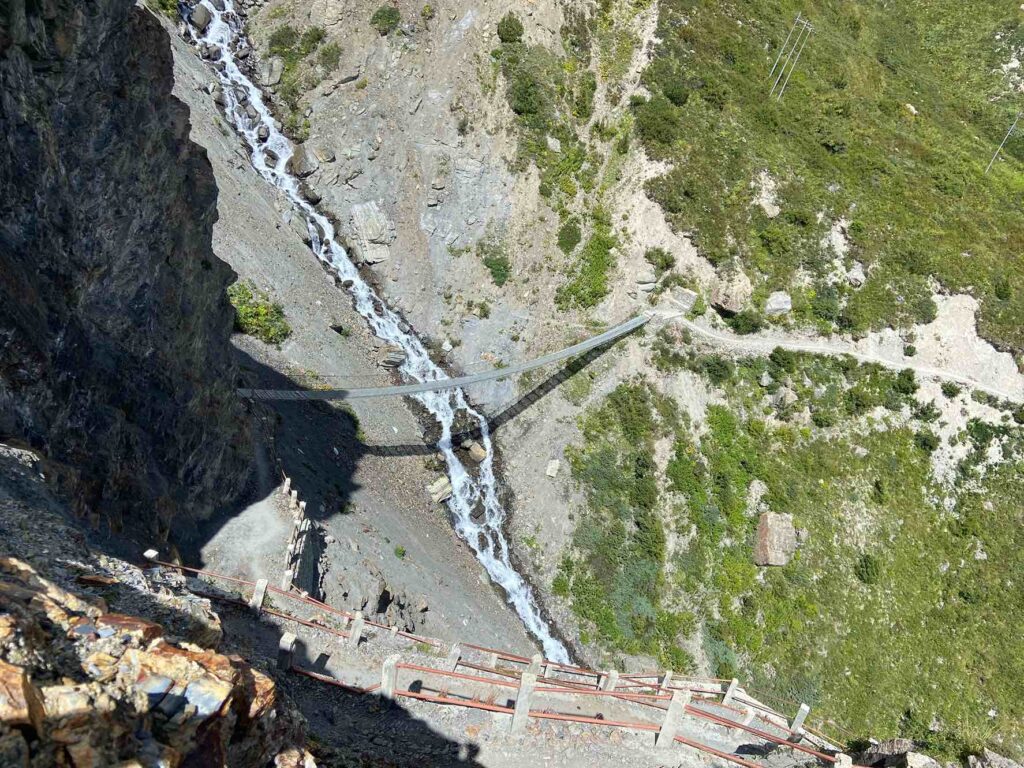
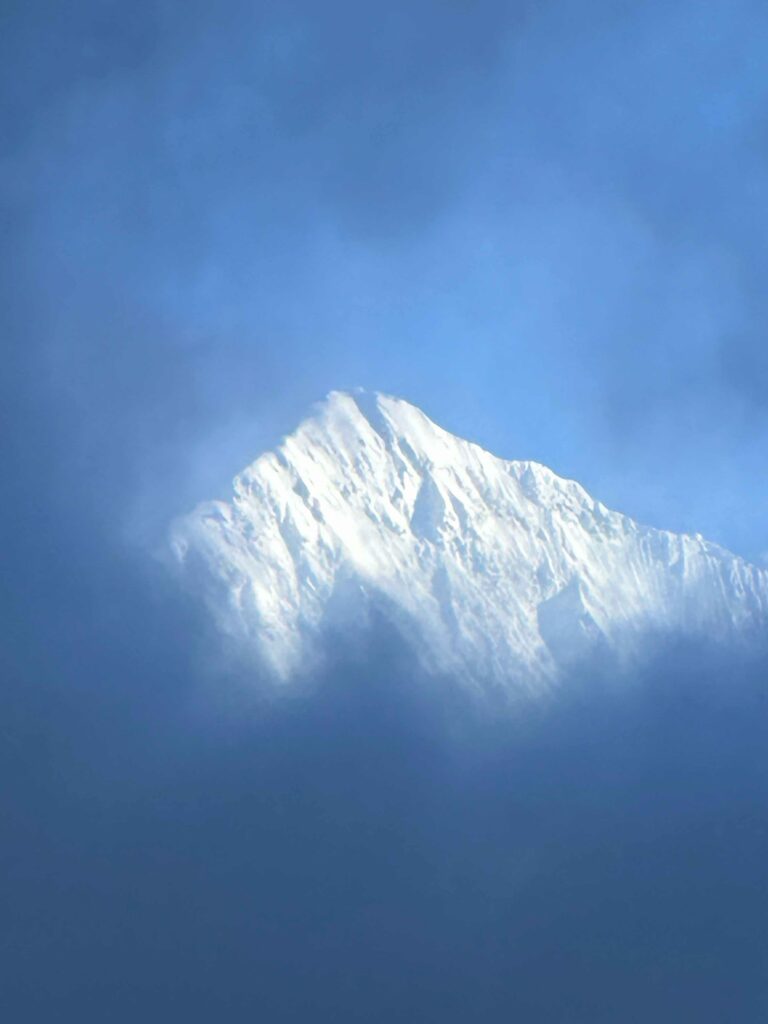
Kathmandu → Besisahar → Dharapani → Chame → Pisang → Manang → Ice Lake → Tilicho Base Camp → Tilicho Lake → Shree Kharka → Yak Kharka → Thorong Phedi / High Camp → Thorong La Pass → Muktinath → Kagbeni → Jomsom → Marpha → Tatopani → Pokhara → Kathmandu → Departure
Overview
Annapurna Circuit With Tilicho Lake Trek
Introduction
Annapurna Circuit Tilicho Lake Trek is a popular trek that includes the Annapurna Circuit and Tilicho Trek. It is Nepal’s most iconic and diverse trek, blending mountain adventure, cultural richness, and Himalayan scenery. It takes place in the Annapurna region of north-central Nepal, circling the Annapurna Massif reaching altitudes over 5,400 meters, and culminating in the visit to Tilicho Lake, one of the highest lakes in the world at 4,920 meters. The trek features varied landscapes such as lush subtropical forests, alpine meadows, arid highlands, and glacial zones, along with the vibrant cultures of Gurung, Thakali, and Tibetan-influenced communities.
Also, Ancient monasteries, chortens, prayer flags, and traditional homes add a deeply spiritual and cultural dimension to the trek. The route of the Annapurna Circuit Tilicho Lake Trek runs through the Annapurna Conservation Area, Nepal’s largest protected area, home to snow leopards, blue sheep, and diverse birdlife. The inclusion of Tilicho Lake adds a thrilling detour to the classic Annapurna Circuit, offering remote trails and breathtaking panoramas.
Highlights
Crossing Thorong La Pass (5,416m) – one of the highest trekking passes in the world
Visiting Tilicho Lake (4,920m) – a stunning alpine lake amidst snow-capped peaks
Cultural encounters in traditional villages like Manang, Pisang, and Marpha
Dramatic changes in landscape – from subtropical forests to high-altitude deserts
Sacred pilgrimage site of Muktinath – a symbol of spiritual harmony between Hinduism and Buddhism
Why Choose This Destination
A perfect blend of adventure, culture, and natural beauty in one of Nepal’s most iconic trekking regions. Annapurna Circuit Tilicho Lake Trek provides an opportunity to visit Tilicho Lake, an offbeat gem with fewer crowds and unmatched vistas. It offers one of the most complete Himalayan trekking experiences in terms of variety and altitude gain. Despite the remoteness, the availability and safety facilities are excellent. This trek is a rewarding challenge for those seeking something more rugged and remote than standard treks. This Annapurna Circuit Tilicho Lake Trek also has a spiritual connection, such as visiting Buddhist monasteries, prayer walls, and ancient villages, offering deep cultural immersion.
“Don’t wait—book your Annapurna adventure today and experience the trek of a lifetime!”
Porter Services:
Hire a porter to carry your luggage and lead the way.
Trekking Equipment Rentals:
Sleeping bags, down jackets, and trekking gear available for rent
Porter Weight Limit:
Each porter carries a maximum of 20–25 kg, usually shared between two trekkers.
Weather Delays
The itinerary may be subject to change due to weather conditions, especially around Tilicho Lake and Thorong La Pass.
Cash Required
ATMs are unreliable beyond Manang; trekkers should carry sufficient Nepali cash for the entire trek.
Trail Conditions
Some sections of the trail follow motor roads; alternative trekking routes are used where available to enhance the trekking experience.
✅ What's Included:
Airport pickup and drop-off in Kathmandu
All transportation (Kathmandu to Dharapani, Muktinath to Pokhara, Pokhara to Kathmandu)
Accommodation in comfortable teahouses and lodges during the trek
All meals during trekking (breakfast, lunch, and dinner)
Experienced English-speaking trekking guide
Porter service (if requested)
Annapurna Conservation Area Permit (ACAP)
Trekkers’ Information Management System (TIMS) card
All necessary government taxes and fees
Rescue and evacuation assistance (in emergencies)
Detailed itinerary and trekking route planning
Support for acclimatization days and safety monitoring
❌ Price Excludes:
International airfare to/from Nepal
Visa fees for Nepal entry
Personal trekking gear and equipment (boots, sleeping bags, walking poles, etc.)
Travel and health insurance (highly recommended, including emergency evacuation coverage)
Meals and drinks in Kathmandu and Pokhara (before and after the trek)
Hot showers, Wi-Fi, and charging devices on the trail (usually available for a small fee)
Tips and gratuities for guides and porters
Personal expenses (snacks, beverages, laundry, phone calls, souvenirs)
Optional activities outside the trek (e.g., sightseeing in Kathmandu or Pokhara)
Any additional days or extensions not mentioned in the itinerary

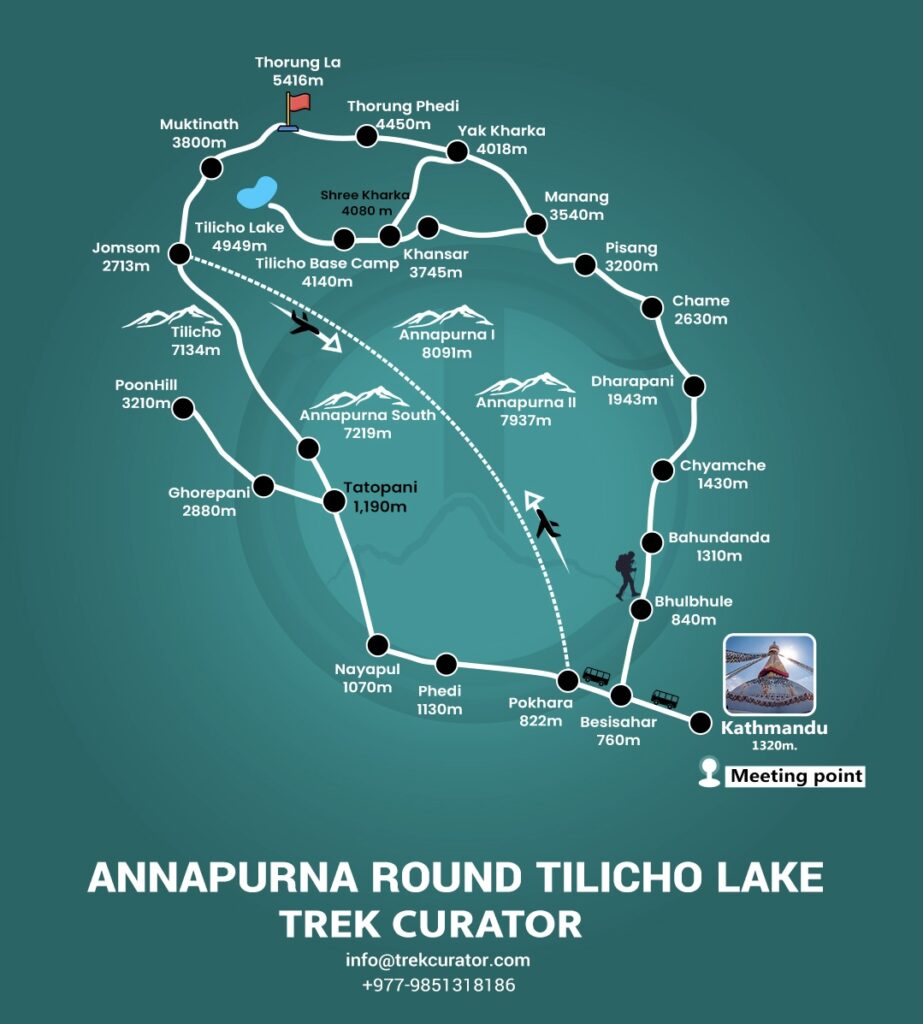
Itinerary Overview
Day 1: Arrival at Kathmandu
Day 2: Drive from Kathmandu to Dharapani via Besisahar (1,860m) 7-8 hrs
Day 3: Trek from Dharapani to Chame (2,715m) 5-6 hrs
Day 4: Trek from Chame to Pisang (3240m) 4-5 hrs
Day 5: Trek from Pisang to Manang (3519m) 6-7 hrs
Day 6: Acclimatization day at Manang, Hike Ice Lake (4,600) 6 hrs
Day 7: Manang to Tilicho Base Camp (4150m) 5-6 hrs
Day 8: Hike to Tilicho Lake (4920m) & return to base camp & trek to Shree Kharka 7-8 hrs
Day 9: Sri Kharka to Yak Kharka (4040m) 5-6 hrs
Day 10: Trek from Yak Kharka to Thorong Phedi /High Camp (4,560m) Duration: 3-4 hour
Day 11: Trek from Thorong Pedi via Thorong La Pass (5,416m) to Muktinath (3,700m) 8-9 hrs
Day 12: Drive from Muktinath to Pokhara Via Kagbeni/Jomsom/Marpha/Tatopani, 6-7 hrs
Day 13: Drive from Pokhara to Kathmandu 6 hrs
Day 14: Departure
Additional Information:
Duration and Difficulty
The duration of this Annapurna Circuit Tilicho Lake Trek is 14 days, which is considered a challenging trek. The travelers must be physically and mentally fit. Trekkers having high-altitude trekking experience find it more comfortable, but it is not mandatory with proper acclimatization.
Permits and Visa
To embark on the Annapurna Circuit Tilicho Lake Trek, you’ll need a couple of permits: the Annapurna Conservation Area Permit (ACAP) is essential for entering the conservation area, and the TIMS Card (Trekkers’ Information Management System) is a must for all trekkers. You can easily obtain both permits through a registered trekking agency like ours. Most nationalities are able to secure a tourist visa upon arrival at Tribhuvan International Airport in Kathmandu. For quicker processing, an online visa can also be applied for through the official Nepal Immigration website. The required documents include a valid passport (with at least 6 months of validity), passport-sized photos, and the visa fee paid in cash (USD).
Transportation
Getting from Kathmandu to Beshisahar typically involves a local bus or a private jeep. While private jeeps are faster, they come with a higher price tag; local buses are more budget-friendly but can be slower. After completing your trek, you can return from Jomsom to Pokhara by flight, jeep, or bus. From Pokhara, you’ll have the option to head back to Kathmandu by tourist bus or flight. It’s wise to check weather updates, as flights from Jomsom can often face delays due to strong mountain winds.
Accommodation and Services
Along the trek route up to Thorong Phedi, you’ll find lodges and tea houses available. Standard rooms generally offer twin-sharing arrangements with basic beds; attached bathrooms are mainly found in the lower regions. Meal choices include traditional dishes like Dal Bhat, noodles, soups, Tibetan bread, omelettes, and porridge. Hot showers are available for an additional fee and may be bucket-heated at higher altitudes. Due to limited accommodation at Tilicho Base Camp, booking in advance is highly recommended during peak season.
Best Season
– Autumn (Sept–Nov): This is when you’ll enjoy clear skies, stable weather, and the best visibility of the mountains.
– Spring (Mar–May): Experience mild temperatures along with blooming rhododendrons, making it ideal for photography.
– Winter (Dec–Feb): Expect possible heavy snowfall; the Tilicho Lake trail and Thorong La Pass may be closed during this time.
– Monsoon (Jun–Aug): Trails can be slippery with frequent landslides, making this season best avoided.
Booking Policy and Required Documents
It’s highly advisable to book your trip during the peak trekking season to ensure accommodation availability. When booking, you’ll need to provide a valid passport copy, travel insurance (which must cover emergency helicopter evacuation), and passport-sized photos for the trekking permits. A deposit of 20–30% is required to confirm your trek, with the remaining balance due upon your arrival in Nepal.
For Booking & Cancellation Policy: click here
Emergency Evacuation and Safety Tips
Altitude sickness can occur above 3,000 meters, so it’s crucial to acclimatize properly and stay well-hydrated. Keep the contact numbers of local guides and travel agencies handy. In emergencies, helicopter evacuation is available from Gorakshep, Pheriche, and Lukla, but it is only covered if included in your travel insurance. Ensure your travel insurance includes high-altitude trekking (up to 4,500 m) and emergency evacuation coverage. Basic health posts can be found in villages, while advanced hospitals are available in Kathmandu for more serious cases. If you experience any symptoms such as headaches, nausea, or dizziness, inform your guide immediately.
EQUIPMENTS
- Moisture-wicking T-shirts (2–3)
- Thermal tops and bottoms (2 pairs)
- Fleece jacket
- Lightweight down or synthetic insulated jacket (1)
- Trekking pants (2 pairs)
- Sun hat or cap
- Buff or neck gaiter
- Lightweight gloves (1 pair)
- Sturdy trekking boots (broken-in)
- Trekking socks (4–5 pairs)
- Gaiters (for snow or muddy trails)
- Trekking backpack (40–50 L)
- Daypack (20–25 L)
- Sleeping bag (–10°C to –15°C comfort rating)
- Trekking poles
- Headlamp with extra batteries
- Sunglasses (UV protection)
- Water bottles and/or hydration bladder (2–3 L capacity)
- Water purification tablets or filter
- Dry bags or waterproof stuff sacks
- Rain cover for backpack
- Personal first-aid kit (bandages, blister care, etc.)
- Sunscreen (SPF 30+) and Lip balm with SPF
- Quick-dry towel
- Power bank or solar charger
- Energy bars, nuts, chocolate, or dried fruits
- Electrolyte or rehydration salts
- Valid passport
- Travel insurance (including high-altitude coverage)
- Annapurna Conservation Area Permit (ACAP)
- TIMS Card (Trekkers’ Information Management System)
- Cash (Nepalese Rupees – for tea houses and small purchases)
- Lightweight crampons (in early spring or late autumn)
- Small lock for bags