
Short Annapurna Base Camp Trek
Be the first to review!
Overview
Short Annapurna Base Camp Trek
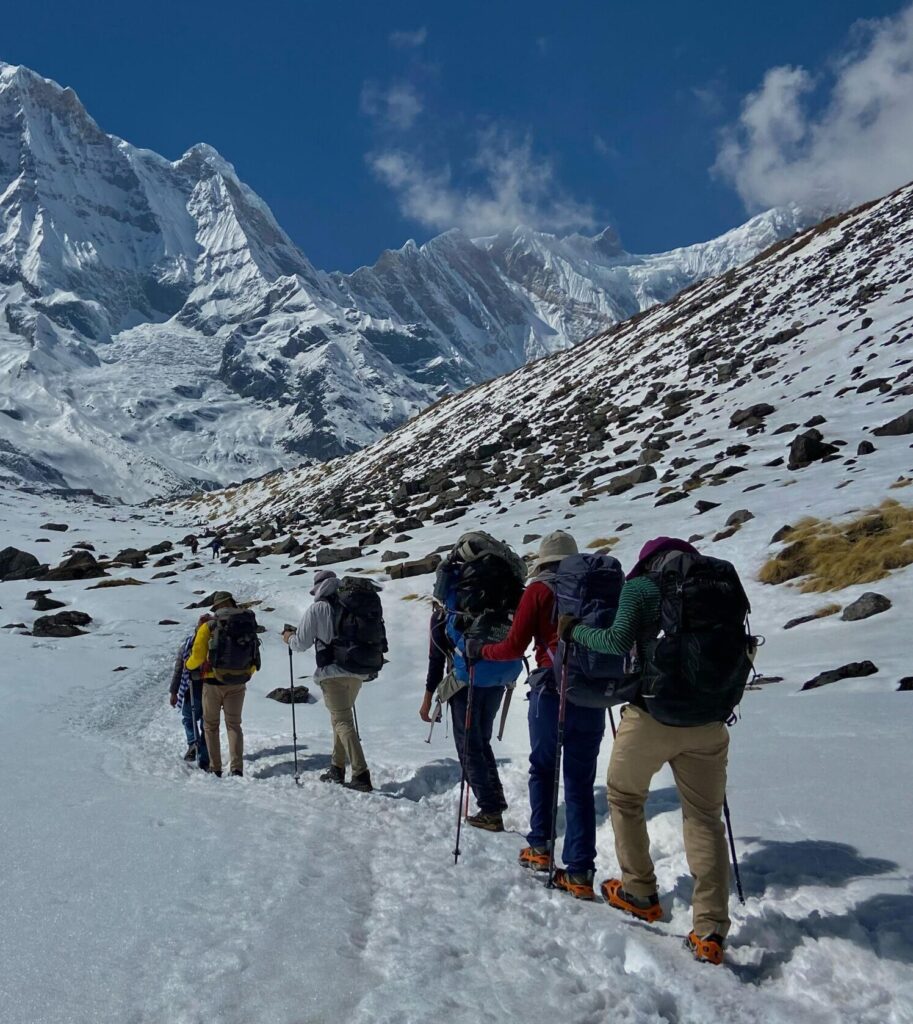
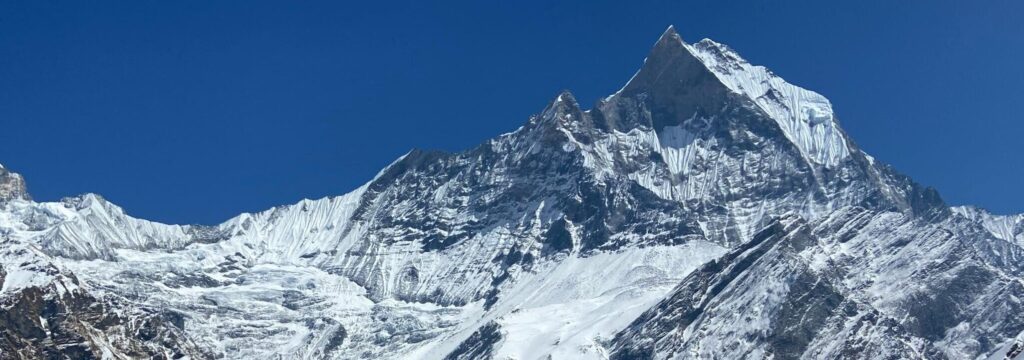
Short Annapurna Base Camp Trek is a of 5 days and sweet trek from Pokhara. The package includes the trip from Pokhara to Jhinu Danda and back. The trek is favorable for those who have limited time in the Annapurna Region. The trek includes several suspension bridges, several small charming villages, dense forest, Buddhist prayer flags, a stupa, and many more. While returning from the Annapurna Base Camp, we can enjoy the Natural Hotel spring in Jhinu Danda. You will get stunning mountain views starting from Chhomrong. The trekking trails frequently follow an ascent and a descent of steps. We follow the trails of Machhapuchhre Base Camp, exploring the 360 ° view of Mount Machhapuchhre, Annapurna I, Annapurna South, and Mount Himchuli.
We explore the half day, taking an unlimited number of photographs, sunset view from the tea house, and Sunrise view from the windows of the tea house. Then we finally go back to Sinuwa and continue to Jhinu Danda. You can sit in a Natural hot spring, as it is believed that “to be deep in a Natural hot spring sweeps out all your skin diseases”. Then the jeep will finally drop you at your respective hotel and conclude the tour. You can check another Optional package for the Annapurna Base Camp Trek and other treks around the Annapurna Region.
✅ What's Included:
- Transfers
- Accommodation (Teahouses/Lodges during the trek)
- Meals (Breakfast, Lunch & Dinner during the trek)
- Trekking Permits (ACAP & TIMS)
- Professional Guide & Porter (Guide with First Aid Kit)
- Necessary Trekking Equipment (Sleeping Bag & Down Jacket on rent)
- Annapurna Conservation Area Entry Fees
- Emergency Support (Basic First Aid & Oxygen Cylinder)
❌ Price Excludes:
- International Flights (To/From Nepal)
- Nepal Visa Fees
- Travel Insurance (Mandatory for high-altitude trekking)
- Personal Expenses (Snacks, drinks, hot showers, Wi-Fi, battery charging)
- Trekking Gear (Personal clothing, boots, trekking poles, etc.)
- Tips for Guide & Porter (Customary but not mandatory)
- Emergency Evacuation & Helicopter Rescue (If required)

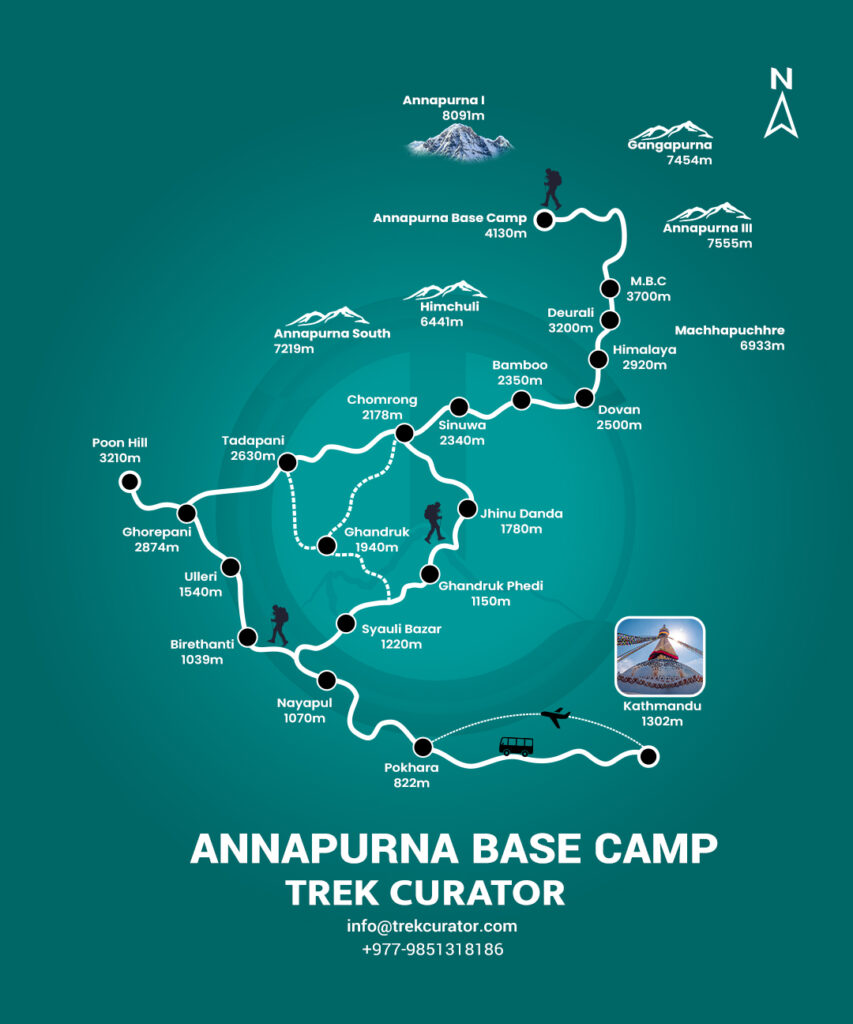
Itinerary Overview
Day 1: Drive to Jhinu and trek to Sinuwa 2,340M / 7,677 fr. 5-6hrs
Day 2: Sinuwa to Deurali Trek 3,200M / 10,499 ft. 6-7 hrs
Day 3: Deurali to Annapurna Base Camp (ABC) 4,130M / 13,551 ft. 4hrs
Day 4: Annapurna Basecamp to Sinuwa trek back 2,340M / 7,677 ft. 7,6hrs
Day 5: Sinuwa to Jhinu Dada trek and drive back to Pokhara 822M / 2,790ft. 6hrs
Detail Itinerary
Drive to Jhinu and trek to Sinuwa 2,340M / 7,677 ft. 5-6hrs
Early in the morning from Pokhara, we drive by jeep through Nayapul, observing the old houses, chairs, and lifestyle of the area. We continue driving until we reach the long suspension bridge at Jhinu. From there, our trek begins. Climbing uphill through Jhinu Danda, we reach the beautiful village of Chhomrong, a picturesque Gurung village with stunning views of the Himalayas. From Chhomrong, we continue onward to Sinuwa, where we spend our first night. This marks the end of our first day, as we look forward to what tomorrow brings.
Sinuwa to Deurali Trek 3,200M / 10,499 ft. 6-7hrs
From Sinuwa, we begin our trek and reach Bamboo, a place surrounded by lush bamboo forests. In the middle of this greenery, there are a few tea houses where trekkers can rest. Continuing onward, we pass through Dovan and Upper Dovan, walking along a beautiful forest trail with waterfalls and streams along the way. After passing through Himalayan, we finally reach Deurali. Wrapping up the day while talking about tomorrow’s journey, we rest here for the night.
Deurali to Annapurna Base Camp (ABC) 4,130M / 13,551 ft. 4hrs
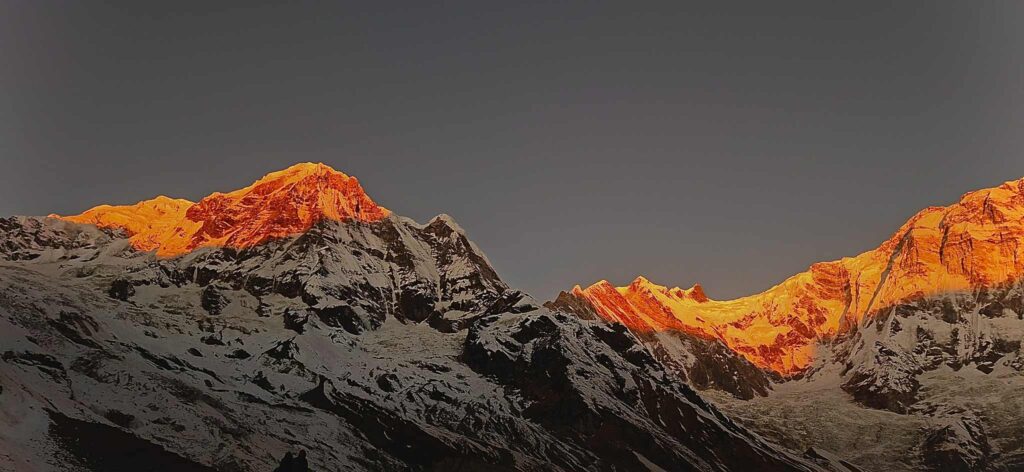
This morning is especially significant, as we are about to reach our dream destination—Annapurna Base Camp (ABC). The dream we set out for is finally coming true. Climbing uphill from Deurali, we carefully cross areas prone to avalanches. Surrounded by majestic mountains on all sides, we arrive at Machhapuchhre Base Camp (MBC), nestled at the foot of the sacred Machhapuchhre. After a short rest there, we continue our journey forward, witnessing stunning views of towering peaks, including Annapurna I (over 8,000 meters), Annapurna South, and many others. Finally, we set foot at Annapurna Base Camp, a place beautifully encircled by snow-covered mountains—a truly magical scene. We spend the rest of the day soaking in the dreamlike atmosphere, watching the clouds play hide and seek with the sun. As evening falls, the golden rays of the sun reflect off Machapuchare, and we end the night in awe of the surrounding beauty.
Annapurna Basecamp to Sinuwa trek back 2,340M / 7,677 ft. 7,6hrs
The golden, glowing mountain rising before our eyes fills us with awe and excitement. We capture that breathtaking moment in the camera of our minds as we slowly make our way back, passing through Deurali, Dovan, and Bamboo, finally arriving at Sinuwa.
Sinuwa to Jhinu Dada trek and drive back to Pokhara 822M / 2,790ft. 6hrs
The final hours of the trek pass by as we walk, and then we return to Pokhara, where we rest and relax.
Additional Information:
Permit and Visa
To embark on the Annapurna Circuit Trek, you’ll need two essential permits: the Annapurna Conservation Area Permit (ACAP), which grants you entry into the conservation area, and the TIMS Card (Trekkers’ Information Management System), mandatory for all trekkers. You can obtain both permits through a registered trekking agency like ours. Most nationalities can get a tourist visa upon arrival at Tribhuvan International Airport in Kathmandu. For quicker processing, an online visa is available on the official Nepal Immigration website. Remember to bring along a valid passport (with at least six months’ validity), passport-size photos, and the visa fee in cash (USD).
Transportation
Traveling from Kathmandu to Pokhara, you have a couple of options: domestic flights, taking just 25 minutes, or tourist buses/private vehicles that might take 6 to 8 hours. The trek kicks off with a drive, and while road conditions can vary, jeeps are readily available from Pokhara to Nayapul. When you finish the trek, jeep and bus services will get you back to Pokhara. Although domestic flights are pricier, they offer quicker travel. Keep in mind that weather can impact flight schedules, so it’s wise to stay flexible. A private jeep, while more expensive, provides added comfort and convenience compared to local buses.
Accommodation and Services
Along the trek, you’ll stay in teahouses, which provide basic yet comfy rooms with shared bathrooms. The teahouses offer a menu featuring Dal Bhat, noodles, soups, fried rice, and hot beverages; however, food prices rise with altitude. Charging electronic devices at higher elevations comes at an extra cost, since solar power is utilized in those regions. Though Wi-Fi is available at most stops, it can be slow, and you may experience intermittent mobile signals. Hot showers are offered, but be prepared for additional charges.
Best Season
The best times for trekking are during spring (March–May) when rhododendrons bloom and the weather stabilizes, and autumn (September–November) for ideal visibility, pleasant temperatures, and minimal rainfall—this is peak trekking season. Winter (December–February) brings clear skies but also colder temperatures and greater chances of snow around ABC. The monsoon season (June–August) is characterized by slippery trails, frequent rain, and limited views, making it less advisable.
Booking Policy and Required Documents
It’s highly recommended to book your trek during peak seasons to ensure accommodation is available. For booking, you’ll need to provide a valid passport copy, travel insurance (which must include emergency helicopter evacuation), and passport-size photos for the trekking permits. To confirm your trek, a deposit of 20–30% is required upfront, with the remainder payable upon arrival in Nepal. Please take note of our cancellation policy.
Emergency Evacuation and Safety Tips
Altitude sickness can be a concern above 3,000 meters, so it’s crucial to acclimatize properly and stay hydrated. Keep the contact numbers of local guides and travel agencies handy. In case of emergencies, helicopter evacuation services are available, ensure that your travel insurance covers this. Your insurance should also extend to high-altitude trekking (up to 4,500 m) and emergency evacuation. Basic health posts are located in villages, while advanced hospitals are available in Kathmandu for serious conditions. If you start to experience symptoms like headaches, nausea, or dizziness, inform your guide immediately.