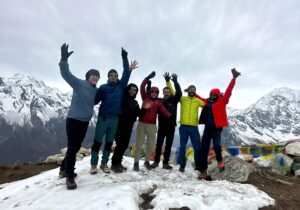
Gosaikunda Trek
Be the first to review!
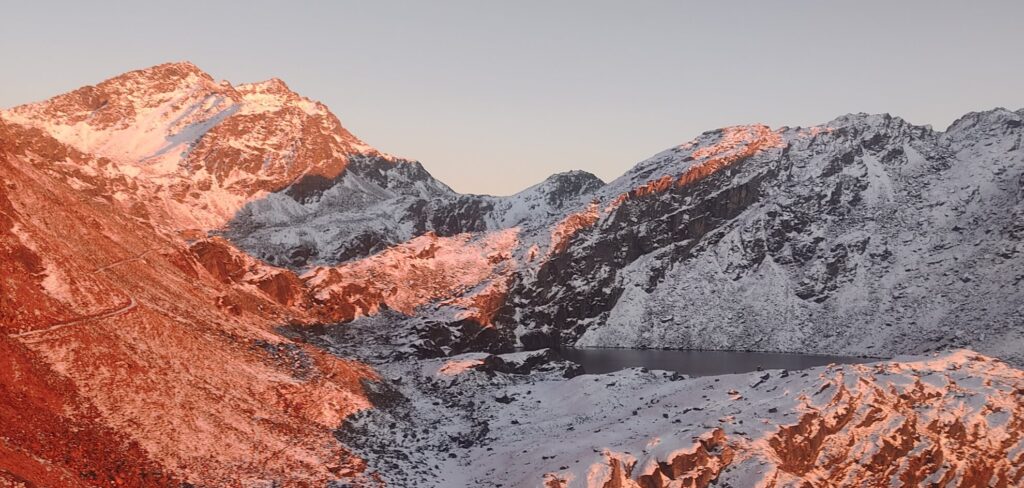
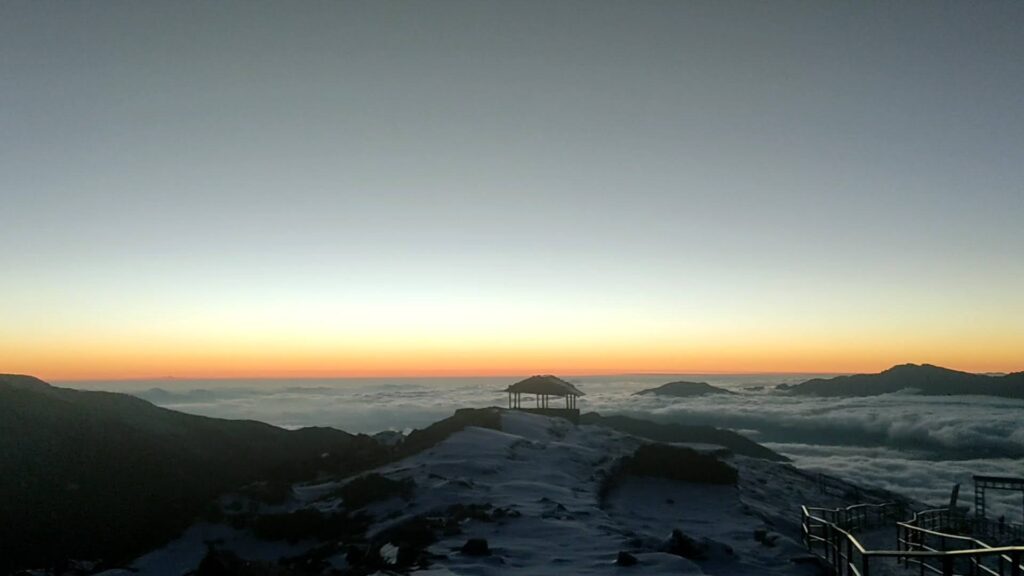
Kathmandu → Dhunche → Chandanbari → Gosaikunda → Dhunche → Kathmandu → Departure
Overview
Gosaikunda Trek
Introduction
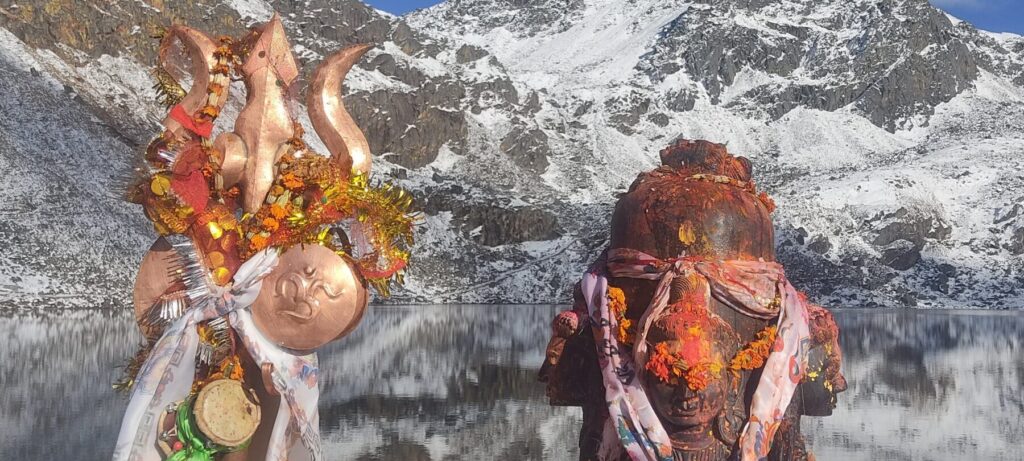
The Gosaikunda trek is one of the most iconic and renowned treks in Nepal, located within Langtang National Park, which is famous for its rich biodiversity. Gosaikunda is a significant pilgrimage site for both Hindus and Buddhists. According to Hindu mythology, Lord Shiva created Gosaikunda Lake by striking a glacier with his trident to obtain water. This trek offers a combination of adventure, cultural immersion, and breathtaking natural beauty. Spanning over 10 days, it provides a peaceful alternative to more commercialized trekking routes.
Highlights
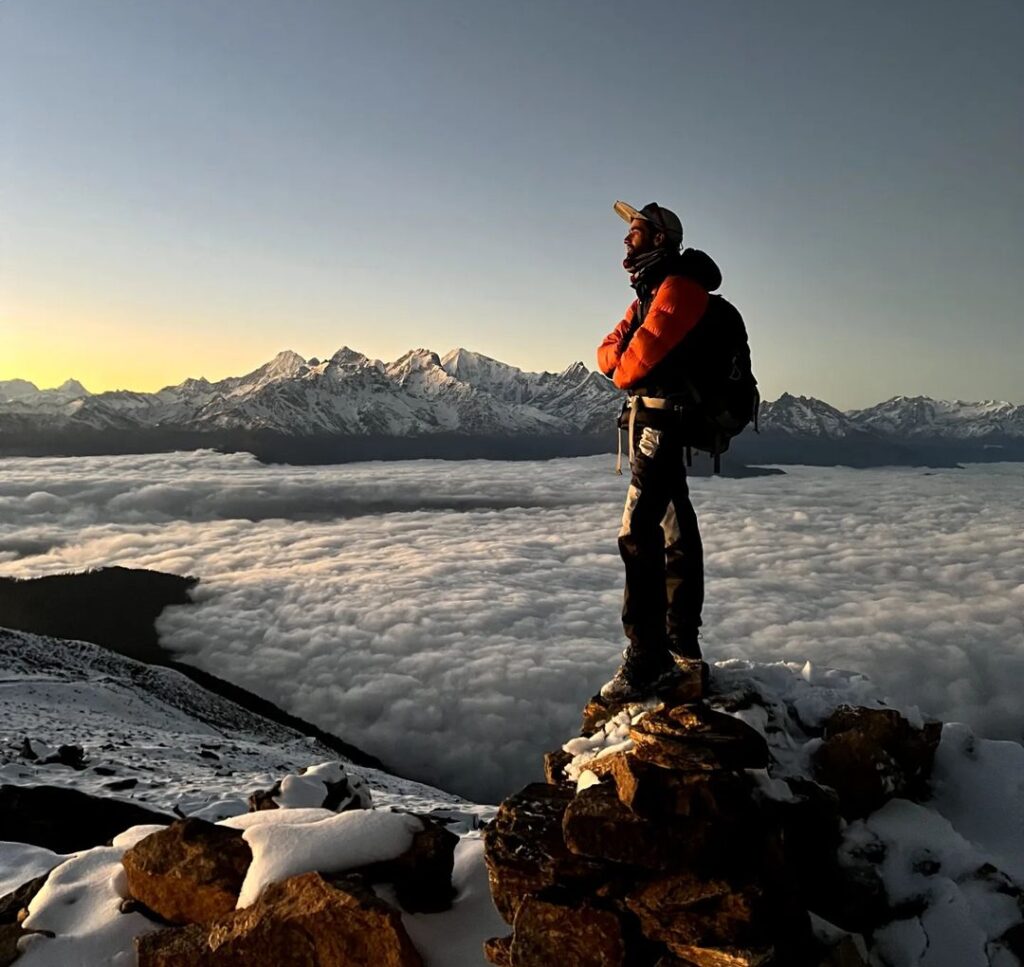
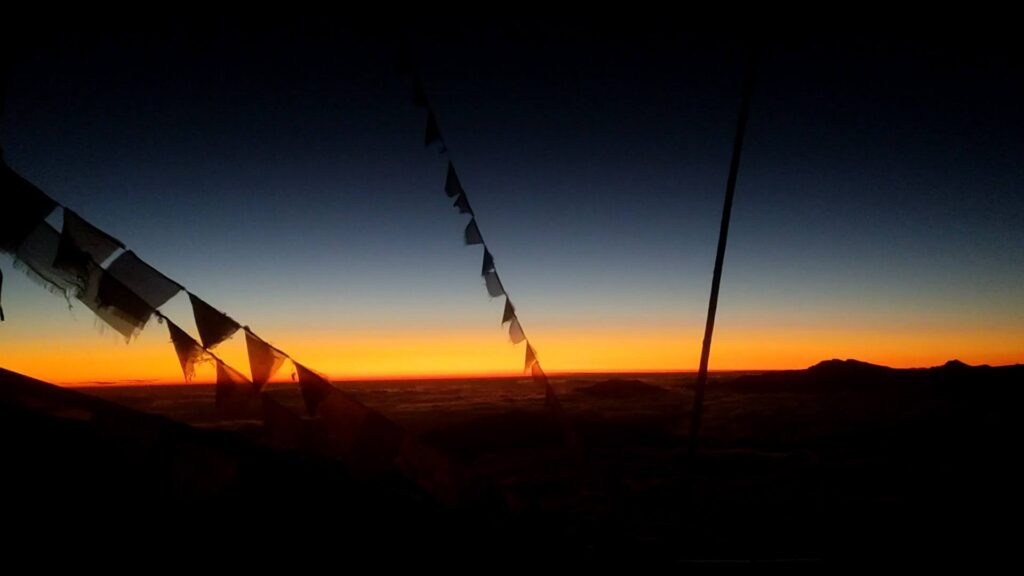
The Gosaikunda trek offers panoramic views of the Langtang Lirung, Ganesh Himal, and Dorje Lakpa mountains, along with glimpses of the Annapurna and Manaslu ranges. Gosaikunda Lake is a spiritual high-altitude lake, surrounded by stunning Himalayan scenery. A visit to a cheese factory in Shin Gompa adds to the experience. However, this trek is less commercialized, making it more tranquil. Highlights include sunrise views over the Himalayan ranges and an authentic teahouse experience in remote villages. Also, the trek involves crossing the Laurebina La Pass (4,610 m), the highest and most scenic point of the journey. Gosaikunda showcases diverse biodiversity, featuring dramatic alpine landscapes, dense rhododendron groves, and pine forests. Local monasteries and gompas are open for visits, enhancing the cultural experience.
Why Choose the Gosaikunda Trek?
The Gosaikunda trek is budget-friendly compared to the Annapurna and Everest treks. It is perfect for those seeking a shorter trek with adventure, cultural enrichment, and spiritual significance. Gosaikunda is ideal for photographers, nature lovers, and pilgrims. The trek is safe, with well-marked trails, and requires no special permits beyond the entry fee for Langtang National Park and the TIMS card. It is easily accessible by road from Kathmandu.
“Ready to experience the sacred beauty of the Himalayas? Book your Gosaikunda Trek today and begin your unforgettable journey through Nepal’s Langtang region.”
Guide & Porter Services – Hire a guide and porter to carry your luggage and lead the way.
Trekking Equipment Rentals – Sleeping bags, down jackets, and trekking gear available for rent
✅ What's Included:
- Airport Transfers (Pick-up & Drop-off)
- Kathmandu to Syabrubesi Transport (Bus)
- Accommodation (Teahouses/Lodges during the trek)
- Meals (Breakfast, Lunch & Dinner during the trek)
- Trekking Permits (Langtang National Park Entry Permit & TIMS)
- Professional Guide & Porter (Guide with First Aid Kit)
- Necessary Trekking Equipment (Sleeping Bag & Down Jacket on rent)
- Emergency Support (Basic First Aid & Oxygen Cylinder)
❌ Price Excludes:
- International Flights (To/From Nepal)
- Nepal Visa Fees
- Travel Insurance (Mandatory for high-altitude trekking)
- Personal Expenses (Snacks, drinks, hot showers, WiFi, battery charging)
- Meals in Kathmandu & Pokhara (Except breakfast at hotels)
- Trekking Gear (Personal clothing, boots, trekking poles, etc.)
- Tips for Guide & Porter (Customary but not mandatory)
- Emergency Evacuation & Helicopter Rescue (If required)
- Extra Accommodation Costs (Due to delays, weather, or personal reasons)

Itinerary Overview
Day 1: Arrival in Kathmandu (1,400 m / 4,593 ft)
Day 2: Drive from Kathmandu to Dhunche (1,460 m / 4,790 ft, 6–7 hours)
Day 3: Trek from Dhunche to Chandanbari (2,470 m / 8,103 ft, 6 hours)
Day 4: Trek from Chandanbari to Gosaikunda (2,230 m / 7,316 ft, 6 hours)
Day 5: Trek from Gosaikunda to Dhunche(3,330 m / 10,925 ft, 5 hours)
Day 6: Drive From Dhunche to Kathmandu (1,400 m / 4,593 ft, 6–7 hours)
Day 7: Departure
Detail Itinerary
Arrival in Kathmandu (1,400 m / 4,593 ft)
As soon as you land at Tribhuvan International Airport, our representative will be there to pick you up and assist you with your transfer to the hotel. You will receive a briefing about the trek and buy or rent any essential equipment. In the evening, feel free to explore Thamel or the nearby areas, or attend a cultural program.
Drive from Kathmandu to Dhunche (1,460 m / 4,790 ft, 6–7 hours)
Early in the morning, you will pack your belongings in preparation for the beginning of the trek. You will drive to Syabru Beshi along a scenic route via the Trishuli River, enjoying views of rural villages, terraced hills, and lush landscapes. After a long 6 to 7-hour drive, you will arrive in Syabru Beshi.
Trek from Dhunche to Chandanbari (2,470 m / 8,103 ft, 6 hours)
Trek from Chandanbari to Gosaikunda (4,380 m / 14,370 ft, 5–6 hours)
From Chandanbari, a 5 to 6-hour trek will take you to the sacred Gosaikunda Lake, a significant Hindu pilgrimage site. It is believed to have been created by Lord Shiva. The trails traverse forests, breathtaking ridges, and traditional villages. You will observe incredible views of Langtang Himal, Manaslu, and Annapurna. Be prepared for cold and windy conditions; wearing layers is essential.
Trek from Gosaikunda to Dhunche (3,330 m / 10,925 ft, 5 hours)
After visiting Gosaikunda, you will trek down to Dhunche, which takes about 7 to 8 hours. This trek features prayer flags, chortens, and traditionally stone-built houses, alongside alpine landscapes. You will pass through forest trails, rocky sections, streams, and villages, with beautiful viewpoints along the way. In Dhunche, you will find better accommodations and shops.
Drive From Dhunche to Kathmandu (1,400 m / 4,593 ft, 6–7 hours)
From Dhunche, you will enjoy a comfortable drive back to Kathmandu. On the way, you’ll have final views of the Himalayan foothills, forests, traditional villages, and terraced lands. In the evening, we will have a farewell dinner along with a cultural program.
Departure
As per your schedule, our representative will transfer you to the airport. Your journey will come to an end where it began. You will leave Nepal with wonderful and unforgettable memories of the hilly and Himalayan areas
Additional Information:
Duration and Difficulty
The Gosaikunda trek lasts 7 days, with 4 days dedicated to trekking. The highest altitude reached is 4,610 m, making acclimatization essential. This trek is considered moderate in difficulty, requiring a good level of fitness, making it suitable for both beginners and experienced trekkers.
Permit and Visa
To trek to Gosaikunda, you’ll need two essential permits: the Langtang National Park entry permit, which is required for all trekkers heading to the Langtang region, and the TIMS card (Trekkers’ Information Management System), vital for your safety and trekking records. You can easily obtain both permits through registered trekking agencies like ours. Most travelers can secure a tourist visa upon arrival at Tribhuvan International Airport in Kathmandu. For quicker processing, you can apply for an online visa through the official Nepal Immigration website. Make sure to have a valid passport (with at least six months’ validity), passport-size photos, and the visa fee ready in cash (USD).
Transportation to Gosaikunda
You have a couple of transportation options to choose from: public buses or jeeps, or private vehicles. Regular bus and jeep services leave from the Gongabu bus park and typically take around 6 to 7 hours to reach your destination. If you prefer a bit more comfort, private vehicles are available for groups or customized treks.
Accommodation
Along the Gosaikunda trekking route, you’ll find a range of teahouses offering basic yet cozy accommodations, including beds, blankets, and shared bathrooms. The meals provided during the trek will feature authentic Nepali dishes (like Dal Bhat), along with noodles, soups, and a limited selection of Western food.
Best Season for Gosaikunda Trek
The ideal times to visit are during spring (March–May), when the weather is warm, the rhododendrons are in bloom, and the mountain views are crystal clear. Autumn (September–November) also offers stable weather and exceptional visibility, making it the most sought-after season for Gosaikunda trekking. Winter (December–February) brings colder temperatures and the possibility of snow, which is best suited for experienced trekkers. The monsoon season (June–August) features heavy rainfall and slippery trails, which are not recommended for beginners.
Booking Policy and Required Documents
To ensure you secure a comfortable place to stay during peak trekking season, it’s strongly advised to make your booking in advance. When booking, you’ll need to provide a copy of your valid passport, travel insurance (which must cover emergency helicopter evacuation), and passport-size photos for the trekking permits. As for payment, we accept bank transfers, cash (with a 15% advance required), or various online payment methods.
For Booking & Cancellation Policy: click here
Emergency Evacuation and Safety Tips
Altitude sickness is a possibility above 3,000 meters, so make sure to acclimatize properly and stay hydrated. It’s wise to keep contact numbers for your local guide and travel agency handy. In case of emergencies, helicopter evacuation is available from Gosaikunda or Dhunche, but you must ensure this is covered by your travel insurance. Your insurance should include high-altitude trekking (up to 4,500 m) and emergency evacuation coverage. Basic health posts are available in Dhunche and Syabrubesi, while advanced hospitals can be found in Kathmandu for serious issues. If you start experiencing headaches, nausea, or dizziness, inform your guide immediately.
EQUIPMENTS
- Moisture-wicking T-shirts (2–4)
- Long-sleeve base layer (top + bottoms)
- Thermal underwear (top + bottom)
- Warm fleece jacket or pullover
- Down/insulated jacket (cold nights)
- Waterproof/windproof trekking jacket
- Waterproof trekking pants
- Trekking pants (2 pairs)
- Buff / neck gaiter
- Sun hat and warm beanie
- Gloves (inner + insulated outer)
- Gaiters (useful in snow/mud)
- Sock liners (optional)
- Wool/synthetic trekking socks (3–5 pairs)
- Camp shoes or sandals (for lodges)
- Sturdy, broken-in trekking boots with good grip (ideally waterproof)
- Daypack (20–40 L)
- Duffel bag
- Trekking poles
- Sleeping bag (rated for sub-zero temps ~-10 °C or lower)
- Headlamp (with spare batteries)
- Sunglasses (UV protection)
- Water bottles or hydration bladder (2–3 L)
- Backpack rain cover
- Dry bags / zip bags to keep gear dry
- Water purification method (tablets, filter, LifeStraw)
- Quick-dry towel
- Toiletries (toothbrush, toothpaste, biodegradable soap)
- Wet wipes & hand sanitizer
- Sunscreen (SPF 30+ or higher)
- Lip balm with SPF
- Small personal first aid kit
- Altitude sickness medication (e.g., acetazolamide if prescribed)
- Passport + visa
- Trekking permits (TIMS/Everest NP permit if required)
- Travel insurance with high-altitude coverage
- Extra passport-size photos (sometimes needed)