Annapurna Circuit Trek
Be the first to review!
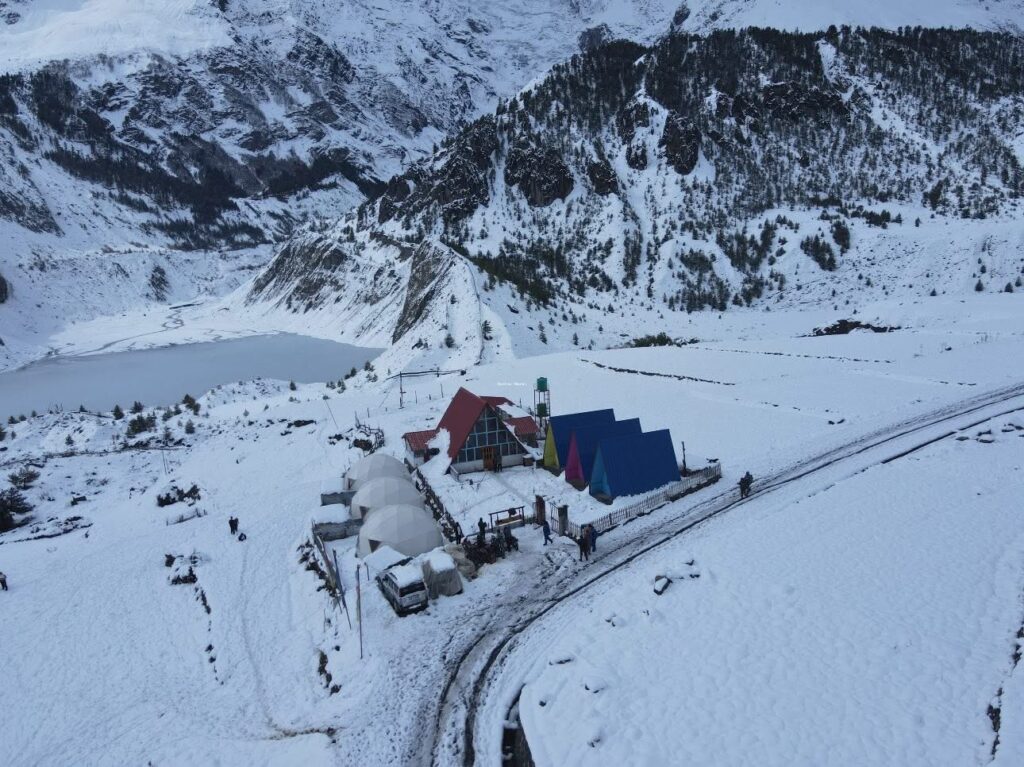
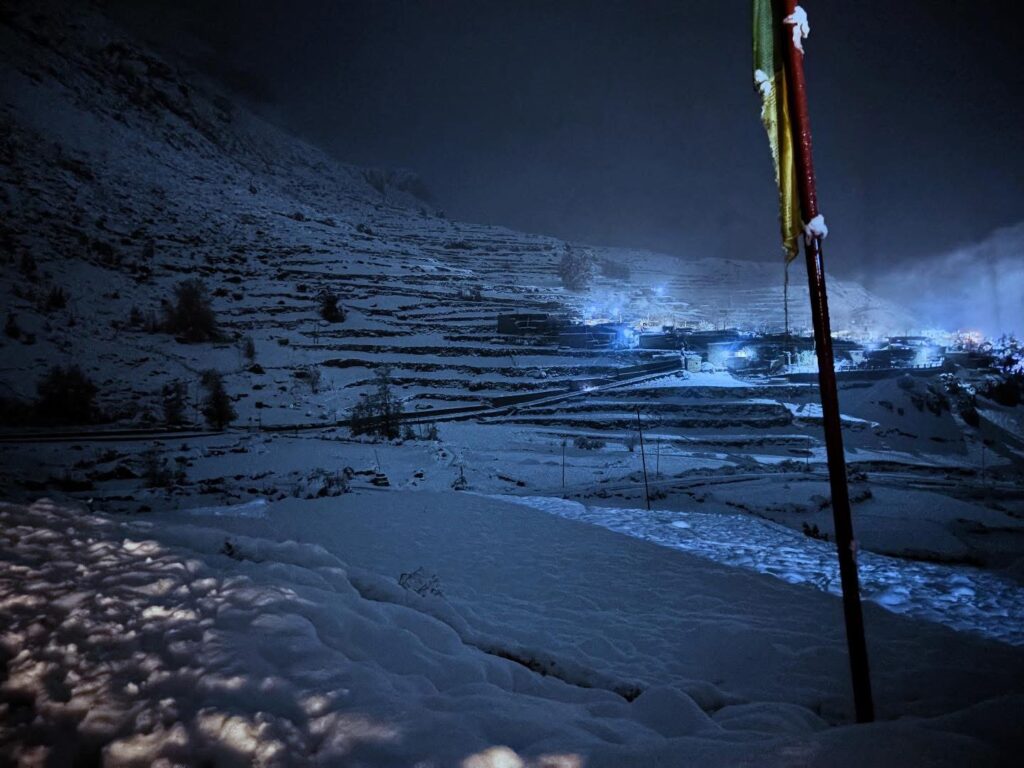
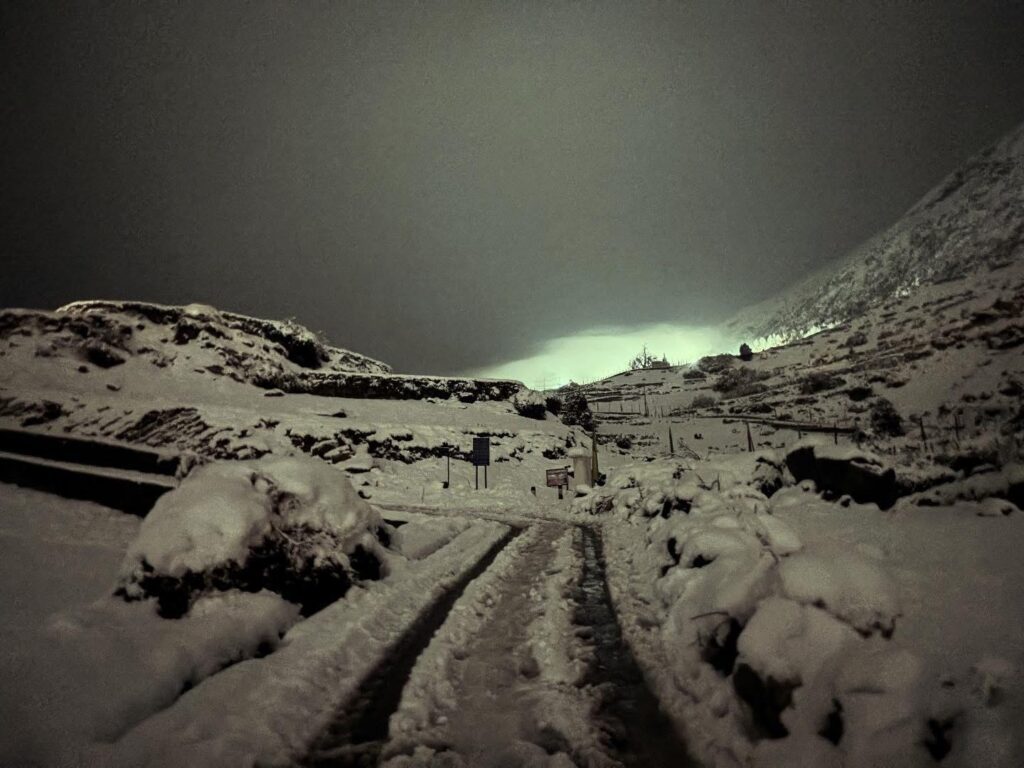
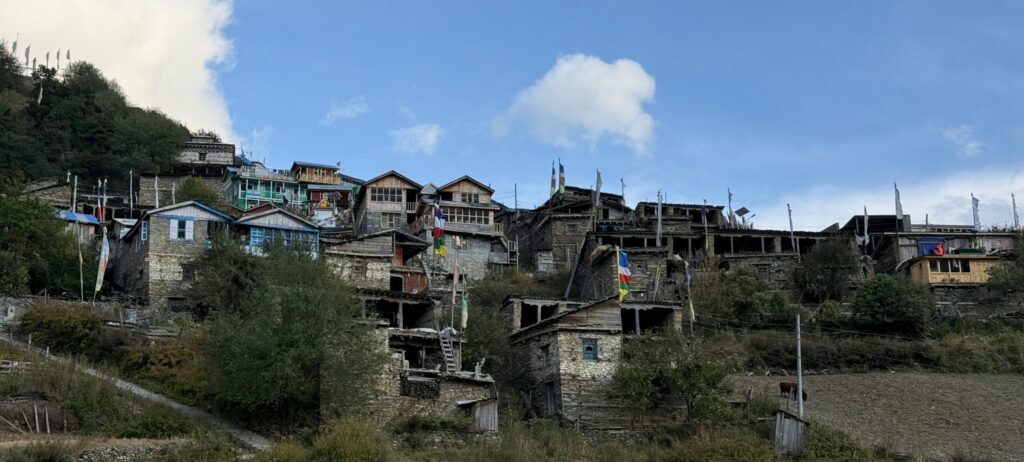
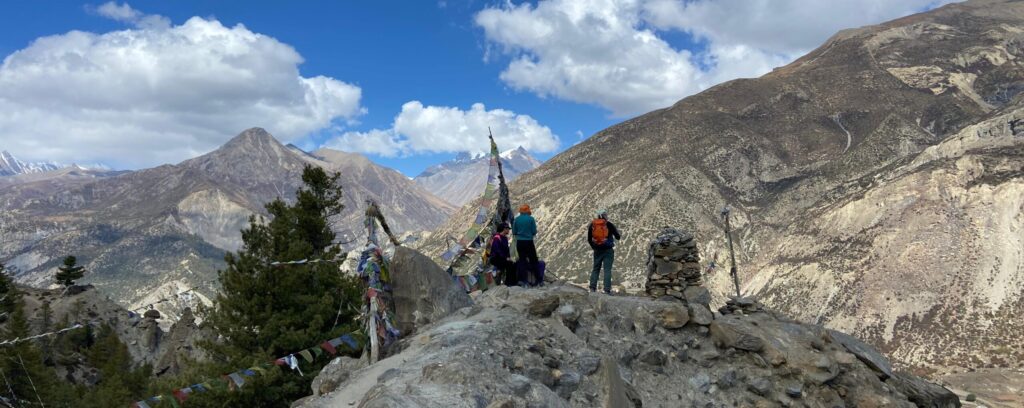
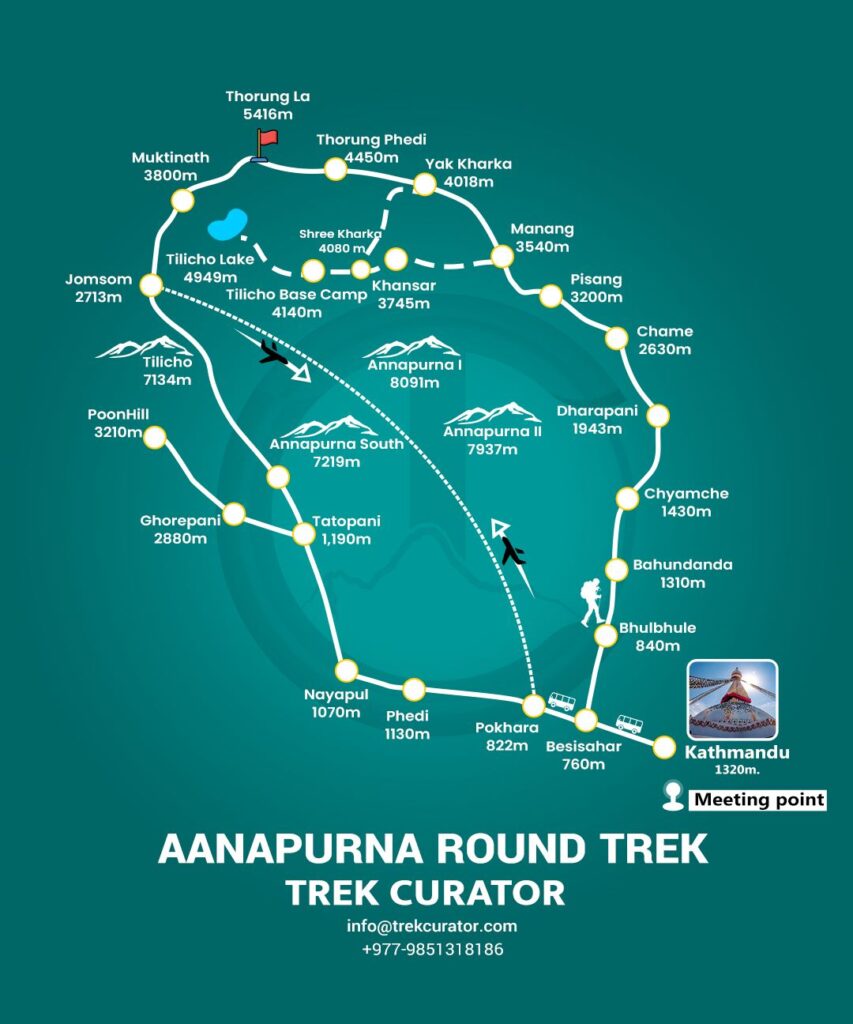
Kathmandu → Dharapani → Chame → Pisang → Manang → Yak Kharka → Thorong Phedi → Thorong La Pass → Muktinath → Pokhara → Kathmandu → Departure
Overview
Annapurna Circuit Trek
Introduction
Annapurna Circuit Trek, located in the Annapurna region of Nepal, is one of the most famous trekking routes in the country. This trek spans 12 days and offers an exhilarating adventure. Travelers are drawn to this route for its stunning views of the Annapurna and Dhaulagiri mountain ranges. Along the way, trekkers encounter lush forests, rivers, suspension bridges, diverse landscapes, and breathtaking panoramas of towering mountains. The highest point of the Annapurna Circuit Trek is Thorong La Pass, reaching an altitude of 5,416 meters. So, acclimatization options are provided throughout the journey.
Annapurna Circuit Trek also showcases rich local culture and Tibetan monasteries, combining adventure with cultural immersion, making it one of the best trekking experiences in Nepal. An Annapurna Conservation Area Permit (ACAP) and a Trekkers’ Information Management System (TIMS) card are required for this trek.
Highlights
The Annapurna Circuit offers some of the best panoramic views of the Annapurna, Dhaulagiri, and Machapuchare mountains. Trekkers will cross Thorong La Pass, the highest trekking pass along this route. The trek features diverse landscapes, ranging from lush forests in hilly areas to arid deserts in mountainous regions. Trekkers can visit the Muktinath temple, explore Tibetan monasteries, and experience traditional villages such as Manang and Jomsom. Along the way, you may spot wildlife like the Himalayan tahr and musk deer, all while enjoying the warm hospitality of local communities. Sample local cuisine and gain insights into the unique culture of the region.
Trekking Route
Upon arriving in Kathmandu, you can explore the surrounding areas and prepare for the trek. The next morning, Trekkers set off early for a scenic drive to Dharapani, where the trek officially begins. Expect to trek for approximately 5 to 6 hours to reach Chame, taking in stunning views of the mountains along the way. After spending a night in Chame, the trek continues through a narrow valley with views of the river, leading to Pisang. Pisang offers panoramic views of Pisang Peak and Annapurna II. Along with the option to choose between the lower and upper Pisang routes. The upper route provides more scenic trails leading to Manang. As you ascend, acclimatization becomes essential to avoid health issues. After a day of acclimatization, you will trek to Yak Kharka, where you can enjoy stunning views of Chulu West and other surrounding peaks.
The Annapurna Circuit Trek then continues to Thorong Phedi, a landslide-prone area where the oxygen level decreases. An early start (around 3–4 AM) is necessary to avoid strong winds and cold as you make your way to Thorong La Pass. The views at Thorong La Pass reward your efforts with breathtaking sunrises and stunning landscapes of Dhaulagiri and Annapurna. From there, you will descend to visit the Muktinath temple before driving back to Pokhara. Also soaking in panoramic views of the Annapurna and Dhaulagiri ranges, and ultimately returning to Kathmandu.
Why Choose the Annapurna Circuit Trek?
The Annapurna Circuit trek is less crowded than the Everest Base Camp trek. At the same time, this offers a similar level of experience and adventure. Annapurna Circuit Trek combines nature, culture, and adventure, featuring diverse landscapes, forests, peaks, and deserts as well as significant religious sites such as the Muktinath temple and various monasteries. The excellent trekking infrastructure and the warm hospitality of the local communities match the thrill of crossing Thorong La Pass. It is ideal for those seeking a long and rewarding trekking experience.
“With its unmatched blend of natural grandeur and cultural depth, the Annapurna Circuit offers a trekking experience that is as soul-stirring as it is physically rewarding.”
Porter Services
Hire a porter to carry your luggage and provide assistance along the trail.
Trekking Equipment Rentals
Sleeping bags, down jackets, and essential trekking gear are available for rent.
Porter Weight Limit
Each porter carries a maximum of 20–25 kg, usually shared between two trekkers.
Weather Delays
The itinerary may be subject to change due to weather conditions, particularly around Thorong La Pass.
Cash Required
ATMs are unreliable beyond Manang; trekkers should carry sufficient Nepali cash for the entire trek.
Trail Conditions
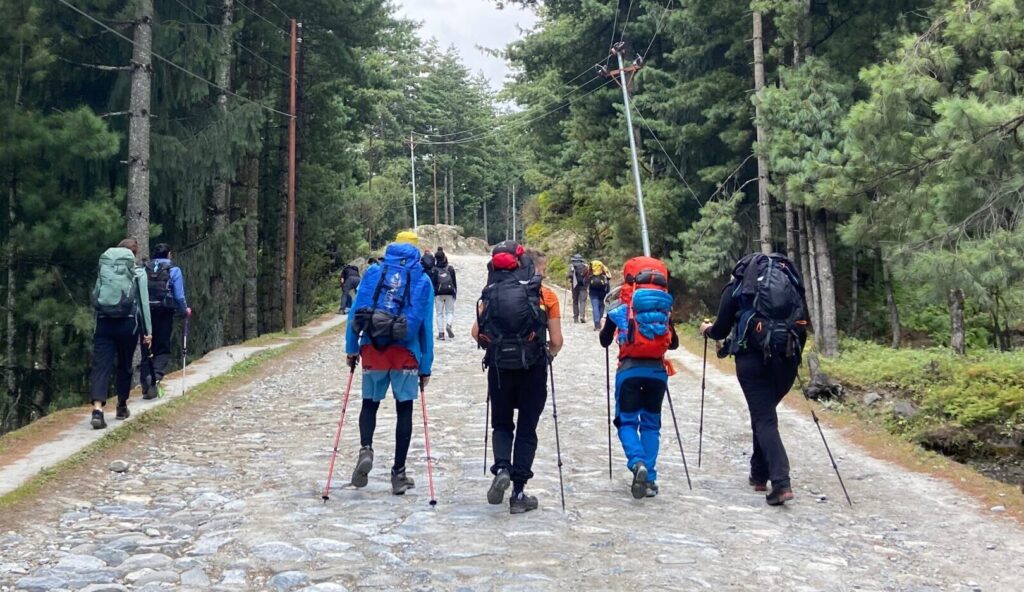
Some sections of the trail follow motor roads; alternative trekking routes are used where available to enhance the trekking experience.
✅ What's Included:
- Airport Transfers (Pick-up & Drop-off)
- Kathmandu to Pokhara Transport (Flight/Bus)
- Accommodation (Teahouses/Lodges during the trek)
- Meals (Breakfast, Lunch & Dinner during the trek)
- Trekking Permits (ACAP & TIMS)
- Professional Guide & Porter (Guide with First Aid Kit)
- Necessary Trekking Equipment (Sleeping Bag & Down Jacket on rent)
- Annapurna Conservation Area Entry Fees
- Emergency Support (Basic First Aid & Oxygen Cylinder)
❌ Price Excludes:
- International Flights (To/From Nepal)
- Nepal Visa Fees
- Travel Insurance (Mandatory for high-altitude trekking)
- Personal Expenses (Snacks, drinks, hot showers, Wi-Fi, battery charging)
- Meals in Kathmandu & Pokhara (Except breakfast at hotels)
- Trekking Gear (Personal clothing, boots, trekking poles, etc.)
- Tips for Guide & Porter (Customary but not mandatory)
- Emergency Evacuation & Helicopter Rescue (If required)
- Extra Accommodation Costs (Due to delays, weather, or personal reasons)

Itinerary Overview
Day 1: Arrival Kathmandu
Day 2: Drive from Kathmandu to Dharapani
Day 3: Trek from Dharapani to Chame (2,710m/8,891ft)
Day 4: Trek from Chame to Pisang (3,300m/10,824ft)
Day 5: Trek form Pisang to Manang (3,500m/11,482ft
Day 6: Acclimatization Day in Manang
Day 7: Trek from Manang to Yak kharka (4,040m/13,020ft)
Day 8: Trek fromYak Kharka to Thorang Phedi (4,420m/14,501ft)
Day 9: Trek from Thorong Phedi to Thorong La pass (5,416m/17,764ft) and Muktinath (3,800/12,467ft)
Day 10: Drive from Muktinath to Pokhara
Day 11: Drive from Pokhara to Kathmandu
Day 12: Departure
Detail Itinerary
Arrival Kathmandu
Upon your arrival at Tribhuvan International Airport, our representative will welcome you to Nepal and assist you in transferring to your hotel. Our representative will provide a brief overview of the trek itinerary, including information on altitude, difficulty level, and necessary equipment. If needed, you can check, rent, or purchase trekking gear. In the evening, you are free to relax or continue exploring Thamel and its surroundings.
Drive from Kathmandu to Dharapani
Early in the morning, you will embark on a drive to Dharapani. This 8 to 9-hour journey will take you through the scenic landscapes of the Trisuli River, traditional villages, high hills, and terraced fields. Along the way, you will switch to a local jeep in Besisahar before continuing to Dharapani. At the ACAP and TIMS checkpoints, staff will check your permits. From Dharapani, you can enjoy views of the snow-capped peaks in the distance. You will spend the night in Dharapani.
Trek from Dharapani to Chame (2,710m/8,891ft)
The official trekking journey begins as you hike to Chame, which takes approximately 5 to 6 hours. During this time, you will pass through traditional villages such as Bagarchhap and Timang, see a Buddhist chorten, and walk along a mani wall. You will cross a suspension bridge over the Marsyangdi River, enjoying beautiful views of Lamjung Himal, Annapurna II, and Annapurna IV. Upon reaching Chame, the administrative headquarters of Manang, you can explore the area, visit local markets, or speak with residents about their lifestyle. You will stay overnight in Chame.
Trek from Chame to Pisang (3,300m/10,824ft)
In the morning, you will set off on your trek to Pisang, walking through apple orchards and pine forests. This journey, lasting about 5 to 6 hours, will take you through a narrow valley with river views and across several wooden and metal bridges. You will also see Paungda Danda Rock, a notable curved cliff face. You can choose to stay in Lower Pisang or Upper Pisang, with Upper Pisang offering better views of Pisang Peak and Annapurna II. You will spend the night in Pisang.
Trek form Pisang to Manang (3,500m/11,482ft
You have the option to choose between the upper and lower trails from Pisang. The upper trail, which is recommended for better scenery, passes through Ghyaru and Ngawal. Along this route, you will observe the transition from lush greenery to arid terrain while enjoying views of Annapurna III, Tilicho Peak, and Gangapurna. After trekking for 6 to 7 hours, you will arrive in Manang, a region influenced by Tibetan culture. You can explore the Bhraga Monastery and the traditional stone villages nearby. You will stay overnight in Manang.
Acclimatization Day in Manang
Since Manang is located at a high altitude of about 11,482 feet, acclimatization is essential. On this day, you have several options for hikes, such as visiting Gangapurna Lake, Ice Lake, or Chongkor viewpoint. You may also want to check out the Manang Cultural Museum to learn about the local lifestyle and history. It’s important to rest and stay hydrated to prevent altitude mountain sickness (AMS). Enjoy stunning views of Annapurna II, III, IV, and Gangapurna.
Trek from Manang to Yak kharka (4,040m/13,020ft)
Following your acclimatization day in Manang, you will head towards Yak Kharka. The trek involves a gradual ascent through juniper shrubs and alpine meadows, crossing wooden bridges. You will pass through the village of Gunsang, where you might see grazing yaks and a few isolated tea houses. Expect stunning views of Chulu West and the surrounding peaks. After 4 to 5 hours of trekking, you will reach Yak Kharka, where you will notice the thinner air.
Trek fromYak Kharka to Thorang Phedi (4,420m/14,501ft)
From Yak Kharka, the trail to Thorong Phedi is in an area prone to landslides, so it’s important to trek cautiously. As we gradually ascend, the oxygen levels begin to decrease. After trekking for about 4 to 5 hours, you’ll reach Thorong La Pass. If you’re feeling strong, you have the option to climb a bit further to High Camp. You can rest here and prepare for the high pass you will encounter the next day. Overnight stay will be in Thorong Phedi.
Trek from Thorong Phedi to Thorong La pass (5,416m/17,764ft) and Muktinath (3,800/12,467ft)
After a night in Yak Kharka, you will need to start your trek early (around 3–4 AM) to avoid the wind and cold. It takes approximately 8 to 9 hours to reach Thorong La Pass, the highest point of your trek. The trail includes a steep climb, and once you reach the pass, you will be rewarded with breathtaking sunrise views and landscapes of Dhaulagiri, Annapurna, and the Mustang Valley. You may want to pause for photos and celebrate at the Thorong La sign. From Thorong La Pass, you will descend steeply to reach Muktinath, a sacred pilgrimage site. You can explore the Muktinath Temple, which holds significance in both Hinduism and Buddhism. You will stay overnight in Muktinath.
Drive from Muktinath to Pokhara
In the morning, after breakfast, you will take a Jeep ride through Jomsom, Marpha (known for its apples), and Kalopani. Along the way, enjoy scenic views of the Nilgiri and Dhaulagiri mountains, as well as the Kali Gandaki River. If you wish, you can make an optional stop at Tatopani, famous for its hot springs, to relax your tired muscles after the trek. The terrain will change from arid hills to lush subtropical forests as you descend. After 8 to 9 hours of driving, you will arrive in Pokhara, where you can enjoy panoramic views of the Annapurna and Dhaulagiri ranges. Spend your evening at the lakeside, go boating on Fewa Lake, or visit nearby attractions.
Drive from Pokhara to Kathmandu
In the morning, you will drive back to Kathmandu, enjoying scenic views of rivers, green forests, hills, and terraced farmlands. The drive takes about 6 to 7 hours to reach Kathmandu. If time permits, you can go sightseeing, including a visit to Swayambhunath.
Departure
Based on your departure time, our representative will pick you up from your hotel and assist you in getting to Tribhuvan International Airport. The journey concludes where it began, leaving you with unforgettable memories of beautiful Nepal. We hope you leave Nepal with lasting memories and a deeper connection to the Himalayas.
Additional Information:
Annapurna Circuit trek Difficulty and Duration
The Annapurna Circuit trek lasts about 12 days, with daily walking times ranging from 4 to 5 hours. Moreover, the main challenge of the trek is the ascent to Thorong La Pass, which is the highest point along the route. The gradual altitude gain can make the body uncomfortable, so proper acclimatization is crucial. There is a high risk of altitude sickness if one does not acclimatize properly. A moderate level of fitness is required for this trek, making it potentially challenging for beginners. Tea houses offer rest and accommodation along the route.
Permits and Visa
To undertake the Annapurna Circuit Trek, you’ll need specific permits: the Annapurna Conservation Area Permit (ACAP) for entry into the conservation area, and the TIMS Card (Trekkers’ Information Management System), which is a must for all trekkers. You can easily obtain both permits through a registered trekking agency, like ours. Most nationalities can secure a tourist visa upon arrival at Tribhuvan International Airport in Kathmandu. For quicker processing, an online visa application is available on the official Nepal Immigration website. You’ll need a valid passport (with a minimum of six months’ validity), passport-size photos, and the visa fee paid in cash (in USD).
Transportation
To reach Dharapani, the starting point of the Annapurna Circuit Trek, you can choose between a bus or a private jeep from Kathmandu. While private vehicles offer more flexibility and speed, they are pricier compared to local buses, which are a budget-friendly option but less adaptable. Depending on your budget and preferences, you can decide which mode of transport suits you. During the trek, transportation will be minimal, except in emergencies. Once the trek concludes in Muktinath, you can opt for a flight, a jeep, or a local bus to Jomsom, continuing to Pokhara and then Kathmandu.
Accommodation and Services
Accommodations along the Annapurna Circuit Trek mainly consist of teahouses that provide basic rooms with twin beds. As you ascend to higher altitudes, the lodges become more rudimentary. Meals typically feature traditional Nepali cuisine, including Dal Bhat, noodles, soups, and pancakes. Note that hot showers and charging your electronics may come with additional fees. Prices generally increase at higher elevations, and Wi-Fi may be available in some places, though it can either be extra or unreliable.
Best Season
The autumn months (September to November) boast excellent weather, offering crystal-clear mountain views and stable trekking conditions, making it the peak time for trekkers. Spring (March to May) welcomes warm temperatures and picturesque blooming rhododendrons along with consistent weather. Winter (December to February) can be quite frigid, and Thorong La Pass may be closed due to snow. Monsoon season (June to August) is best avoided due to muddy trails, leeches, and poor visibility, although areas like Upper Mustang in the rain shadow might be worthwhile.
Booking Policy and Required Documents
It’s highly recommended to book in advance during peak trekking season to secure your accommodation. The booking process requires a valid passport copy, travel insurance (which must cover emergency helicopter evacuation), and passport-size photos for the trekking permits. To confirm your trek, a deposit of 20-30% is needed, with the remainder payable upon arrival in Nepal.
For Booking & Cancellation Policy: click here
Emergency Evacuation and Safety Tips
In case of emergencies, keep in mind that Altitude sickness can set in above 3,000 meters, so acclimatization and staying hydrated are essential. It’s a good idea to have the contact numbers of local guides and travel agencies handy. In emergencies, helicopter evacuation is available, but check that your travel insurance covers this. Your travel insurance should also include high-altitude trekking (up to 4,500 meters) and emergency evacuation coverage. Basic health posts exist in villages, while more advanced hospitals can be found in Kathmandu for serious situations. If you experience symptoms like headaches, nausea, or dizziness, inform your guide right away.
EQUIPMENTS
- Warm jacket (down or fleece)
- Waterproof jacket & pants
- Trekking shirts and pants (2-3, lightweight & quick-dry)
- Thermal inner layers (top & bottom)
- Wool or fleece sweater (for warmth
- Warm hat, sun hat & buff/scarf
- Gloves (light & warm)
- Strong trekking boots (waterproof & comfortable)
- Warm socks (4-5 pairs)
- Camp shoes/slippers (for evening)
- Backpack (50-60L) if carrying your own gear
- Small daypack (20-30L) for daily use
- Duffel bag (if hiring a porter)
- Trekking poles (for balance & knee support)
- Headlamp (with extra batteries
- Sunglasses (UV protection)
- Water bottles (1L x 2) or hydration pack
- Water purification tablets/filter
- Towel, wet wipes & hand sanitizer
- Sunscreen & lip balm (SPF 40+)
- Personal medicines
- Altitude sickness pills (Diamox, if needed)
- Painkillers & anti-diarrhea tablets
- Blister plasters & antiseptic cream
- Electrolyte powders
- Camera/phone & power bank
- Small lock (for bags)
- Snacks (energy bars, nuts, chocolate)
- Cash (NPR, as ATMs are rare)
- Passport & trekking permits (TIMS & Annapurna Permit)
- Travel insurance (covering trekking)