Ghandruk Trek
Be the first to review!
Pokhara → Nayapul / Birethanti → Ghandruk → Pokhara
(can be added this trip as optional to others trek from pokhara)
Overview
Ghandruk Trek
Introduction
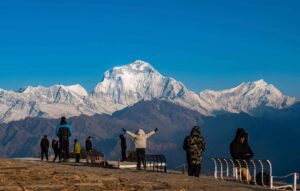
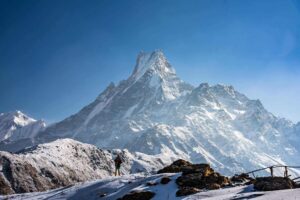
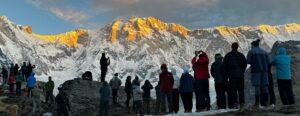
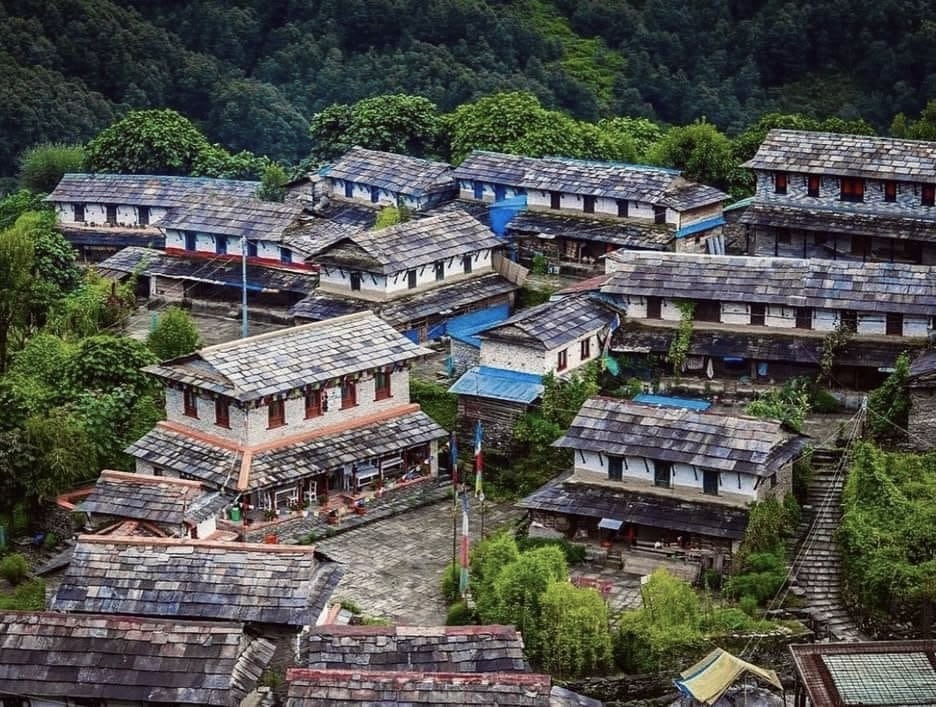
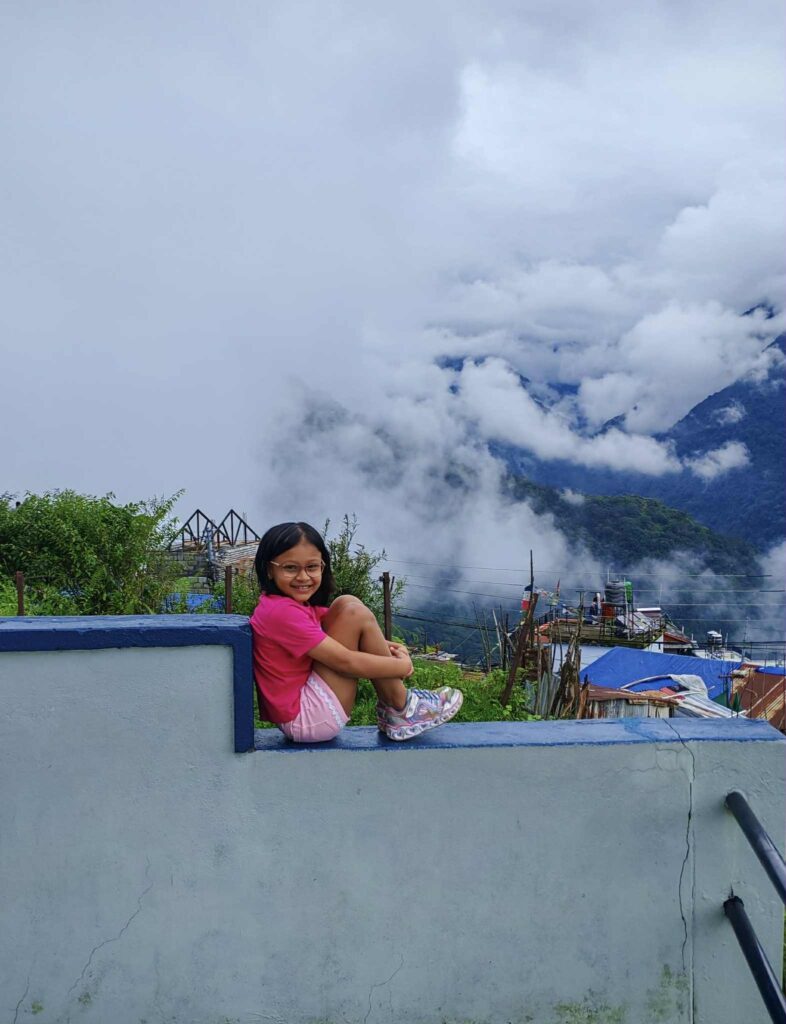
For those with limited time who want to reach Ghandruk from Pokhara within a day, partly by driving and partly by hiking, the Ghandruk trek is a great option. Ghandruk is a beautiful Gurung village located in the Annapurna region of Nepal. Nepal is a country rich in linguistic and ethnic diversity, and Ghandruk is home to one such ethnic group—the Gurungs. Surrounded by the breathtaking views of Annapurna South, Hiunchuli, and Machhapuchhre (also known as the Fish Tail). Ghandruk Trek offers a perfect blend of natural beauty and rich cultural heritage.
Highlight
– A short and scenic trek, ideal for those with limited time to enjoy mountain views and village life.
– The Rich Gurung culture in Ghandruk village.
– Combines both trekking and off-road driving experiences.
– Chance to closely observe Annapurna South and the Annapurna region.”
Porter Services
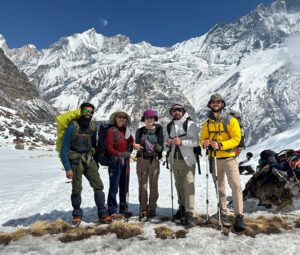
Hiring a porter is optional but recommended for comfort and to support the local community.
Trekking Equipment Rentals
Sleeping bags, trekking poles, and jackets are available for rent in Pokhara.
Porter Weight Limit
Each porter carries a maximum of 20–25 kg, usually shared between two trekkers.
Weather Delays
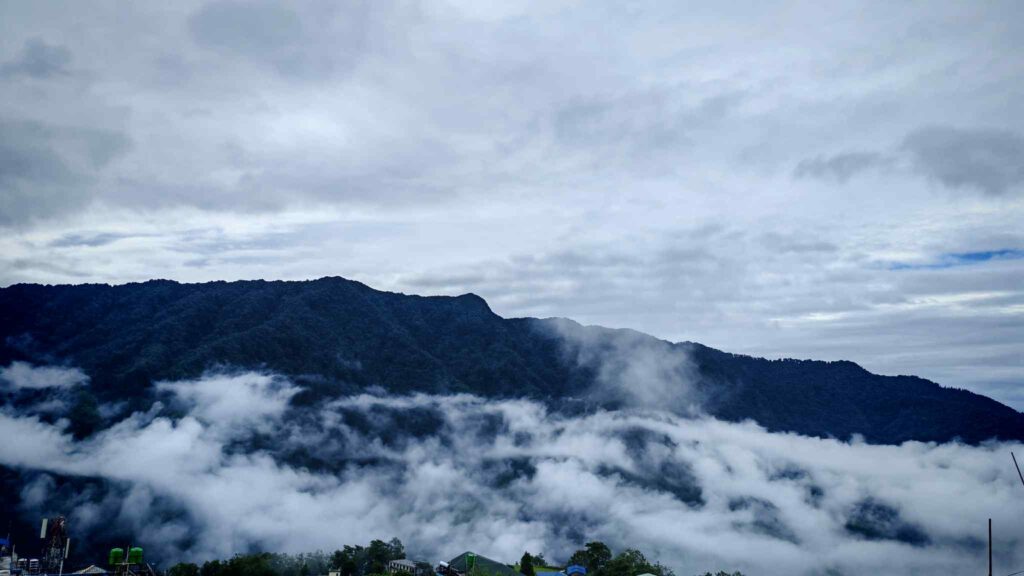
The itinerary may be subject to change due to weather conditions, especially during the monsoon or winter months.
Cash Required
ATMs are not available on the trail; trekkers should carry sufficient Nepali cash for food, drinks, and small expenses.
Trail Conditions
Well-marked trails with stone steps; some sections may be slippery after rain.
✅ What's Included:
- Annapurna Conservation Permit and TIMS Card
- Transportation from Pokhara to syauli bazar and Ghandruk to pokhara
- Trekking guide: An experienced, helpful friend, and English-speaking
- Meals and Accommodation at the tea house
- All Government taxes and service charges
❌ Price Excludes:
- International air fare and Nepal entry visa fee
- Kathmandu hotel and Pokhara hotel
- Kathmandu Pokhara transportation and Pokhara Kathmandu
- personal travel insurance and emergency rescue evacuation
- Tips for the guide

Itinerary Overview
Day 1: Drive Pokhara hotel to Nayapul / Birethanti and Trek to Ghandruk village (2012m) 5-6 hrs.
Day 2: Drive back to pokhara (822m) 3 hrs.
Detail Itinerary
Drive Pokhara hotel to Nayapul / Birethanti and Trek to Ghandruk village (2012m) 5-6 hrs.
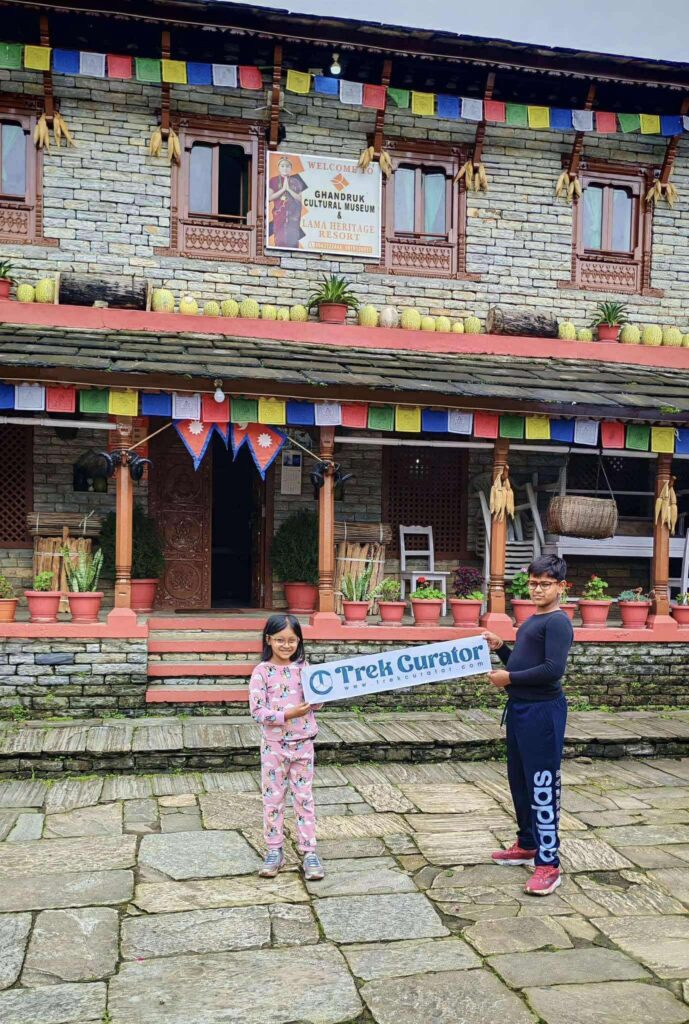
In the morning, drive from Pokhara by jeep or car, passing through scenic villages alongside the Modi Khola River and terraced fields. You’ll reach Syauli Bazaar, and from there, begin your trek to Ghandruk. The trail ascends gradually, taking you through beautiful paths, lush forests, and stunning hillside views. Along the way, you can stop at suitable spots for meals and rest. By afternoon, you’ll arrive in Ghandruk. In the evening, explore the village—experience traditional Gurung culture, visit the local museum, and enjoy conversations with locals while admiring the majestic views of Annapurna and Machhapuchhre. You’ll spend the night in Ghandruk.
Drive back to pokhara (822m) 3 hrs.
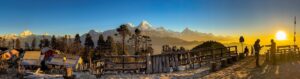
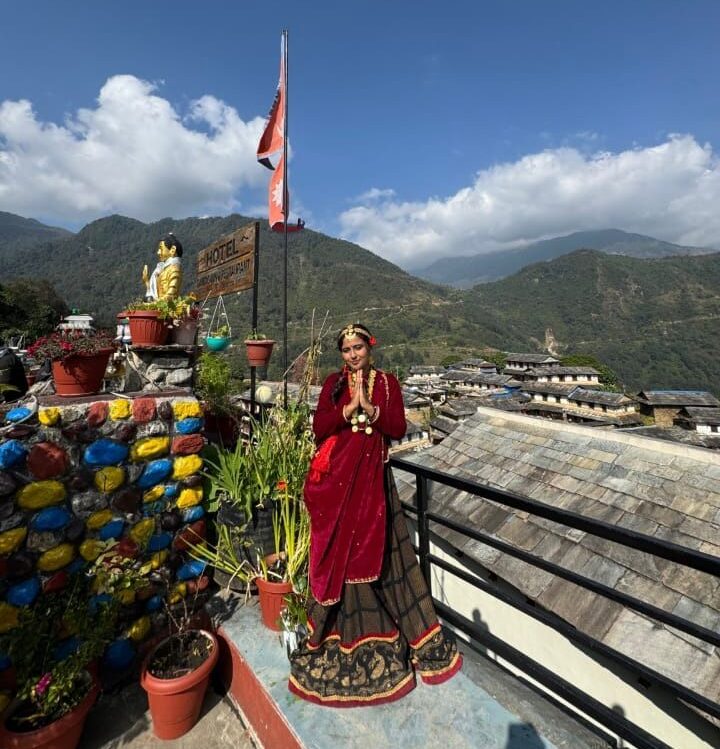
We wake up to a sunny morning, enjoying the rising sun with a warm cup of tea or coffee while admiring the sparkling Himalayan peaks lit up by the sunlight. In the village, we can dress up in traditional Gurung attire—a beautiful way to experience their culture—and capture the moment in photos as a lasting memory. After a light breakfast, we descend for a few minutes to reach the pickup point and then drive back to Pokhara along the same scenic route.
Additional Information:
Permits and Visa
To embark on the Ghandruk Trek, you’ll need to secure two important permits: the Annapurna Conservation Area Permit (ACAP), which grants you access to the conservation area, and the TIMS Card (Trekkers’ Information Management System), required for all trekkers. You can obtain both permits through registered trekking agencies like ours. Most travelers can get a tourist visa upon arrival at Tribhuvan International Airport in Kathmandu. For quicker processing, an online visa application is available on the official Nepal Immigration website. Make sure to have a valid passport with at least six months’ validity, passport-sized photos, and the visa fee in USD cash.
Transportation
Ghandruk is best reached from Pokhara, which can be accessed by a 30-minute domestic flight from Kathmandu or a 6 to 8-hour drive by tourist bus or private vehicle. From Pokhara, you can hire a private jeep or taxi to take you to Kimche or Nayapul, the starting points of your trek. Local buses to Nayapul are available, but they tend to be slower and less comfortable. The trek from Nayapul to Ghandruk usually takes about 4 to 6 hours, depending on your pace and the number of breaks you take.
Accommodation and Services
In Ghandruk, you’ll find teahouses, lodges, and homestays that offer basic to comfortable accommodations. Rooms generally feature simple beds, with either shared or private bathrooms, depending on your choice. Teahouses usually have dining halls serving Nepali, Tibetan, and basic Western cuisine. While hot showers, Wi-Fi, electricity, and charging facilities are offered, keep in mind that there may be additional fees for these services.
Best Season
Spring (March–May)
Enjoy stable weather, warm temperatures, and the stunning bloom of rhododendrons.
Autumn (September–November)
Experience clear mountain views, cool air, and perfect trekking conditions.
Winter (December–February)
Trekking is still possible, though it can be cold; however, the views are crystal clear.
Monsoon (June–August)
The trails are lush, but be prepared for slippery paths, leeches, and reduced visibility.
Booking Policy and Required Documents
To secure your accommodation, it’s highly recommended to book in advance during peak trekking seasons. When booking, you’ll need to provide a valid passport copy, travel insurance that includes emergency helicopter evacuation coverage, and passport-sized photos for permit purposes. A deposit of 20-30% is required to confirm your trek, with the remaining balance due upon your arrival in Nepal.
For Booking & Cancellation Policy: click here
EQUIPMENTS
- Moisture-wicking T-shirts (2–3)
- Lightweight thermal top and bottom (1 pair, for cooler nights)
- Fleece or warm mid-layer jacket (1)
- Lightweight down or insulated jacket (1)
- Comfortable trekking pants (2 pairs)
- Waterproof/windproof jacket (1)
- Sun hat or cap
- Warm hat/beanie
- Lightweight gloves (optional for mornings/evenings)
- Comfortable trekking shoes or boots (broken-in)
- Lightweight camp shoes or sandals
- Trekking socks (3–4 pairs)
- Small trekking backpack (30–40 L)
- Daypack (15–25 L for essentials)
- Reusable water bottle
- Water purification tablets or filter
- Trekking poles
- Sunglasses (UV protection)
- Lightweight sleeping bag
- Headlamp or flashlight with spare batteries
- Sunscreen (SPF 30+)
- Lip balm with SPF
- Quick-dry towel
- Personal first-aid kit (with blister care)
- Power bank or small solar charger
- Energy bars, nuts, or chocolate
- Electrolyte or rehydration powder
- Valid passport
- Annapurna Conservation Area Permit (ACAP)
- TIMS Card (Trekkers’ Information Management System)
- Travel insurance (recommended)
- Cash (Nepalese Rupees – for teahouses and local purchases)