
Gokyo Valley Trek
Be the first to review!
Overview
Gokyo Valley Trek
Introduction
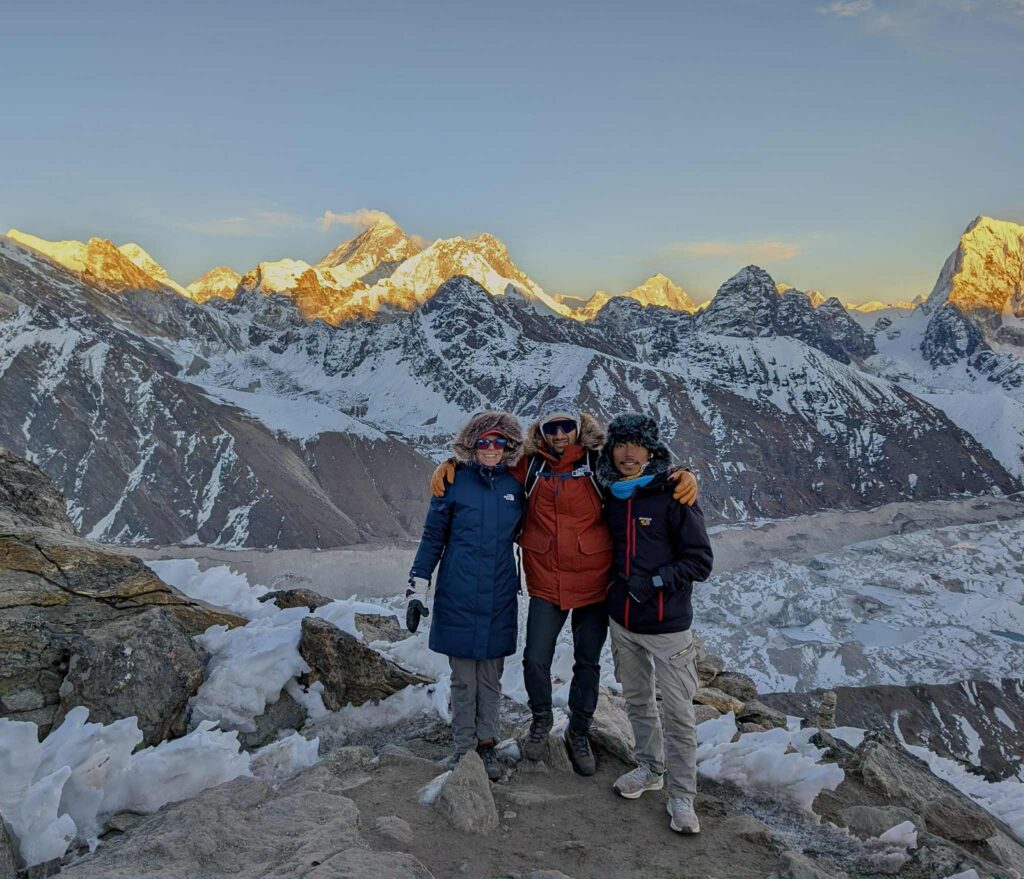
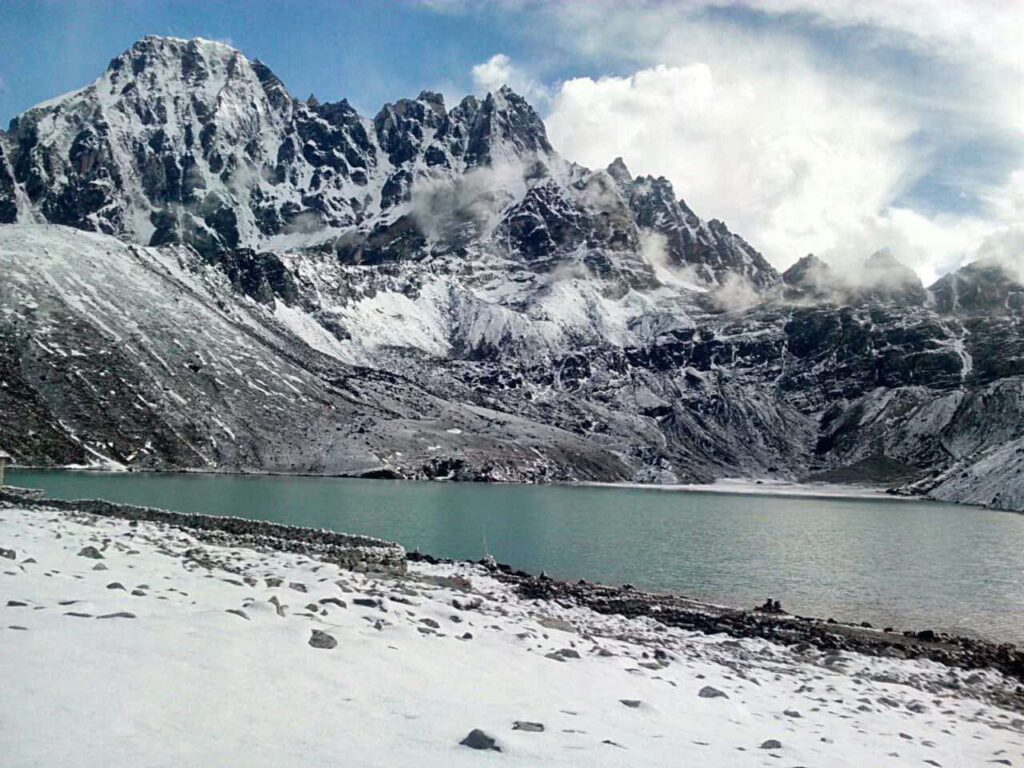
The Gokyo Valley Trek takes you deep into the stunning Khumbu region of Nepal, providing a quieter and less crowded alternative to the classic Everest Base Camp trek. Nestled within Sagarmatha National Park, a UNESCO World Heritage site, this valley is centered around the Gokyo Lakes, which form the highest freshwater lake system in the world, sitting at altitudes between 4,790m and 5,000m. Among its highlights, Gokyo Ri (5,357m) offers some of the most breathtaking views in the Himalayas, rivaling those seen from Kala Patthar regarding views of Everest.
The valley is dominated by Cho Oyu (8,188m) and boasts panoramic sights including Mount Everest, Lhotse, and Makalu. As you trek, you’ll pass through alpine rhododendron forests, high yak pastures, and stark glacial landscapes formed by the climate and altitude. This region is also rich in Sherpa culture, featuring Buddhist monasteries, chortens, mani walls, sacred lakes, and rare alpine biodiversity. A key highlight of the trek is the chance to witness the Ngozumpa Glacier, the largest glacier in Nepal, which adds a dramatic element to the journey.
Highlights
– Breathtaking panoramic views from Gokyo Ri, including Everest, Cho Oyu, Lhotse, and Makalu
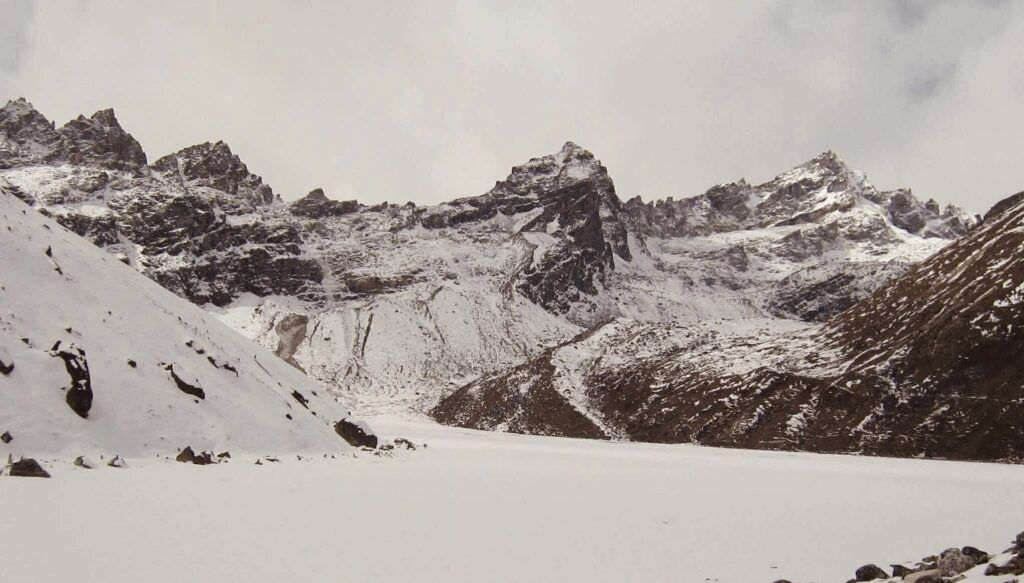
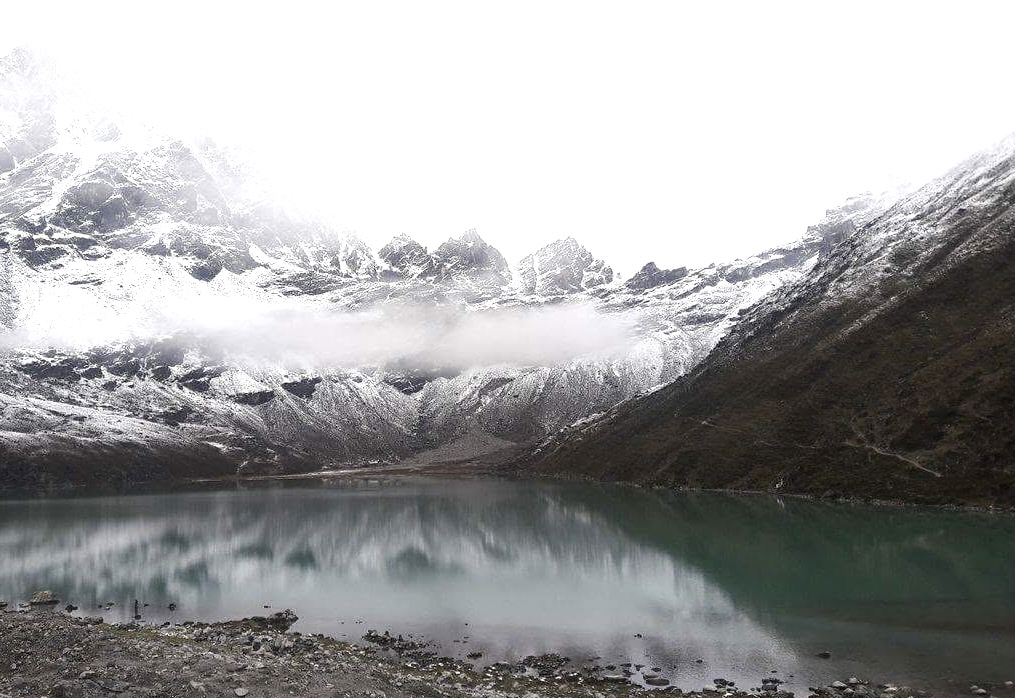
– Glimmering turquoise Gokyo Lakes, known for their sacred significance and stunning beauty
– Wander through Sherpa villages like Namche Bazaar, Dole, and Machhermo
– Explore the Ngozumpa Glacier, showcasing Nepal’s longest glacier and its striking ice formations
– Enjoy a less-crowded alternative to the Everest Base Camp trek, providing a more intimate and raw Himalayan experience
Why Choose This Destination?
This trek beautifully combines natural beauty and cultural richness. As an off-the-beaten-path alternative to the Everest Base Camp trek, it offers equally spectacular views. The unique glacial lake system found here is unmatchable by any other trek in the region. With fewer trekkers around, you can expect a quieter and more personal adventure. You’ll immerse yourself in Sherpa culture and have access to lesser-known villages, creating authentic local experiences. This trek balances challenge and beauty, making it perfect for those seeking a rewarding yet serene high-altitude adventure.
Ready to experience the magic of the Gokyo Valley? book your adventure today!
✅ What's Included:
Airport transfers
Round-trip Kathmandu-Lukla flights with taxes
Accommodation in Kathmandu and teahouses on trek
Three meals daily during trekking
Licensed English-speaking guide and assistant guides
Porters (one per two trekkers, max 15kg per person)
All required permits
First aid kit carried by the guide
Trekking map and duffel bag
24/7 emergency support and evacuation coordination
❌ Price Excludes:
Nepal visa fees
International flights to/from Nepal
Meals in Kathmandu, except breakfast
Personal expenses (hot showers, charging, snacks, Wi-Fi)
Tips for the guide and porter
Personal trekking gear (rentals available)
Travel and rescue insurance
Personal medicines and first aid supplies
Extra accommodation or meals due to delays or changes
Helicopter evacuation costs (unless covered by insurance)

Itinerary Overview
Day 1: Arrival in Kathmandu
Day 2: Flight from Kathmandu to Lukla (2840m / 35 minutes) then Trek to Phakding (2610m) 3 hrs
Day 3: Trek from Phakding to Namche Bazaar (3440m) 5-6 hrs
Day 4: Acclimatization Day in Namche Bazaar (3440m)
Day 5: Trek from Namche Bazaar to Dhole (4110m) 6 hrs
Day 6: Trek from Dole to Machhermo (4470m) 5-6 hrs
Day 7: Trek from Machhermo to Gokyo (4790m) 6-7 hrs
Day 8: Acclimatization Day Hike to Gokyo Ri (5,357m) 5-6 hrs
Day 9: Trek from Gokyo to Dole (4110m) 5-6 hrs
Day 10: Trek from Dole to Namche (3440m) 5-6 hrs
Day 11: Trek from Namche Bazaar to Lukla (2840m)
Day 12: Flight Back from Lukla to Kathmandu (1400m)
Day 13: Departure
Additional Information:
Duration and Difficulty
This trek spans 13 days, which includes arrival, departure, a domestic flight, and acclimatization time. You’ll spend 10 actual days on the trail, with a difficulty level classified as moderate. It’s suitable for trekkers who are physically and mentally prepared; prior high-altitude experience is recommended but not mandatory.
Permits and Visa
For the Gokyo Valley Trek, trekkers need to obtain specific permits, including the Sagarmatha National Park entry permit and the TIMS Card (Trekkers’ Information Management System), both of which are essential for all journeyers. These permits can be easily acquired through registered trekking agencies like ours. Most nationalities can secure a tourist visa upon arrival at Tribhuvan International Airport in Kathmandu. To streamline the process, an online visa application is also available through the official Nepal Immigration website. Be sure to have a valid passport (with at least six months’ validity), passport-sized photos, and the visa fee in cash (USD).
Transportation
The trek typically kicks off with a 30–35 minute flight from Kathmandu to Lukla, which serves as the main entry point. Alternatively, airport transfers by car or taxi are also available. During peak seasons, flights may reroute to Manthali Airport in Ramechhap. If the weather is poor or there are crowds, helicopter charters to Lukla can be arranged.
Accommodation and Services
Accommodations mainly feature teahouses and lodges run by local families. Rooms are generally basic, offering twin beds and shared bathrooms. Most villages provide hot showers, Wi-Fi, and charging facilities; however, there may be extra fees for these amenities. Meals typically consist of standard Nepali trekking fare, such as dal bhat, noodles, soups, momos, and pancakes. Note that higher-altitude lodges may have more limited facilities than those found in lower regions. It’s advisable to book in advance during busy seasons to ensure you have a place to stay.
Best Season
The best time to trek is during the season of clear skies, offering stunning mountain views and comfortable temperatures. Spring (March–May) brings warm weather and blooming rhododendrons, along with stable trekking conditions. Winter (December–February) sees colder temperatures and fewer trekkers, but be mindful that the Cho La Pass and higher lakes might be covered in snow. The monsoon season (June–August) is generally not recommended due to heavy rainfall, slippery trails, and reduced visibility.
Booking Policy and Required Documents
To ensure accommodation during peak trekking times, making an advance booking is highly encouraged. The booking process requires a valid passport copy, travel insurance (which must include emergency helicopter evacuation), and passport-sized photos for your trekking permits. To confirm your trek, a deposit of 20–30% is needed, with the remaining balance payable upon your arrival in Nepal.
For Booking & Cancellation Policy: click here
Emergency Evacuation and Safety Tips
Altitude sickness can become a concern above 3,000 meters, so it’s vital to acclimatize properly and stay hydrated. Always keep the contact information for local guides and travel agencies handy. In case of emergencies, helicopter evacuations can be arranged, but remember that this service is covered only if included in your travel insurance. Ensure your insurance covers high-altitude trekking (up to 4,500 meters) along with emergency evacuation. Basic health posts are available in villages, while serious cases can be treated in advanced hospitals in Kathmandu. If you notice any symptoms such as headaches, nausea, or dizziness, inform your guide immediately.