
Pikey Peak Trek
Be the first to review!

Overview
Pikey Peak Trek
Introduction
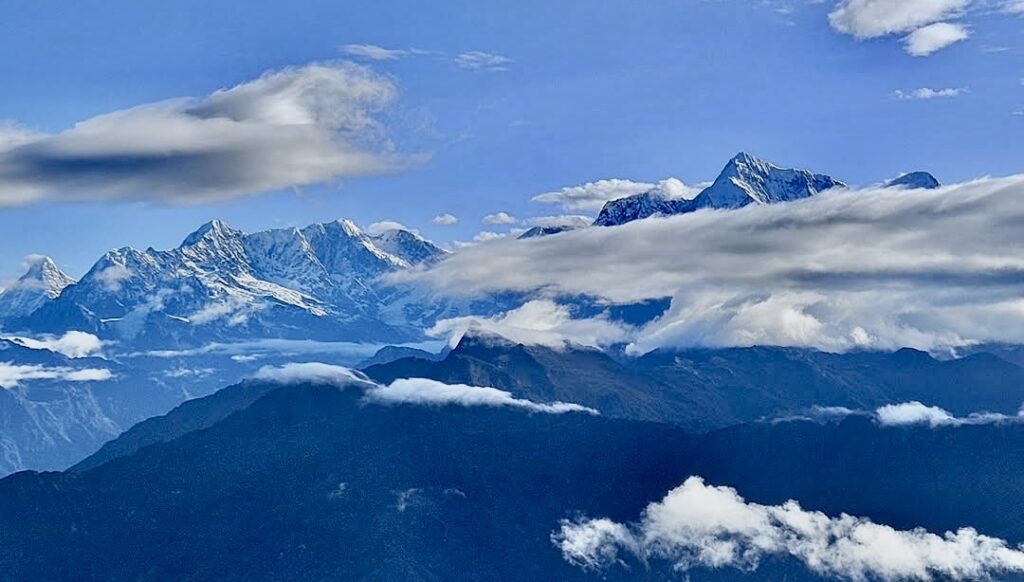
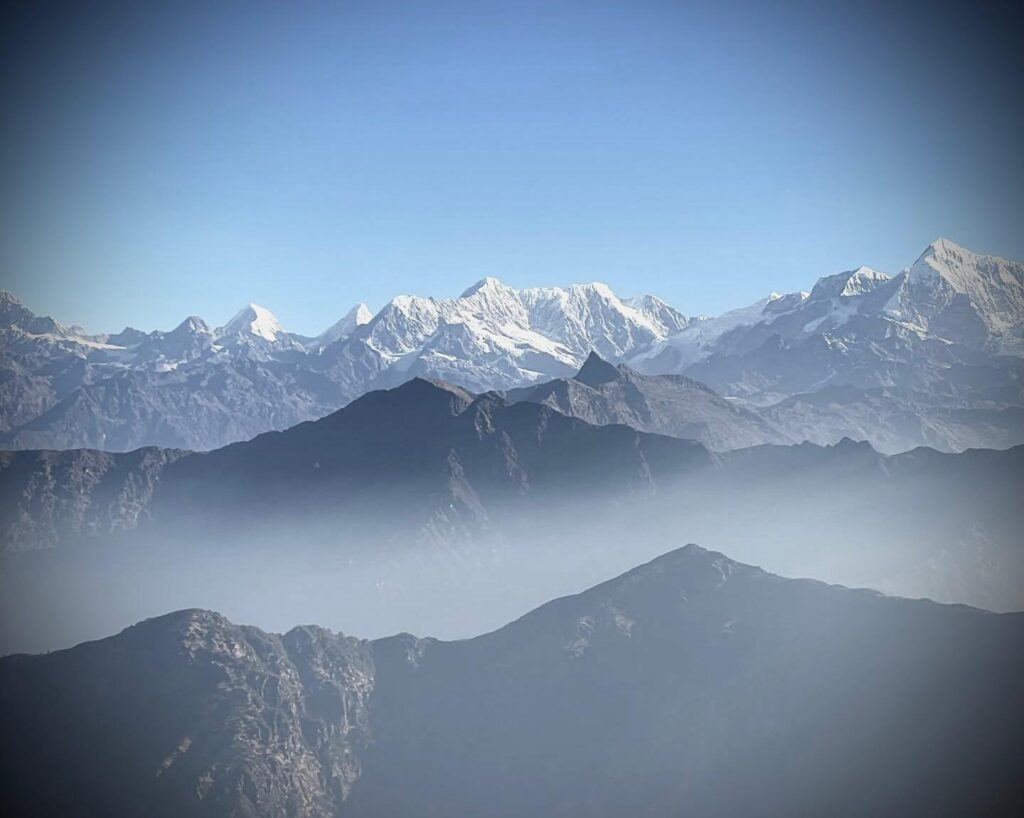
Pikey Peak trek is one of the best treks in the Everest Region, renowned for its stunning sunrise and sunset views over the Himalayas. The trek is named after the local deity of the Sherpa people, “Pikey,” who is believed to reside at the summit. It offers breathtaking views of Mount Everest, Kanchenjunga, Makalu, Annapurna, and Dhaulagiri, among others. The trek is ideal for trekkers seeking a quieter trail, adorned with natural beauty and cultural immersion. Starting from Kathmandu, the journey to the summit of Pikey Peak and back offers travelers a unique experience.
Trekking Route
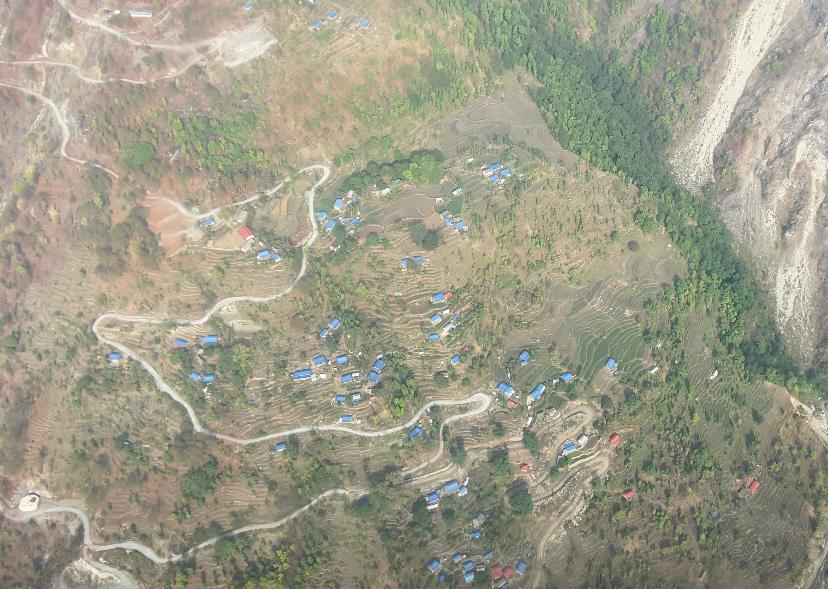
The journey begins in Kathmandu, where you will land at Tribhuvan International Airport and stay overnight, exploring nearby areas. Then, you will drive to Dhap, enjoying beautiful scenery, landscapes, a river, dense forests, and charming villages. The trek begins in Dhap, where you’ll pass through rhododendron and pine forests, enjoying views of Numbur Himal and Everest as you head to the Sherpa village of Jhapre. A 6 to 7-hour trek will take you to Pikey Base Camp through stunning landscapes, past green pastures and dense rhododendron forests. Hiking to Pikey Peak offers breathtaking sunrise views of Mount Everest, the Annapurna range, and other mountains.
Continuing through dense forests, you’ll descend to Lamjura and then to Junbeshi to explore traditional stone houses, prayer wheels, and an old monastery. After visiting the historic Tibetan Buddhist monastery, Thupten Choling Monastery, you’ll gain insight into Tibetan rituals and monastic lifestyles. Finally, you’ll trek downhill to reach the last destination, Phalpu. Driving back to Kathmandu, enjoying the views of river valleys and lush landscapes along the way. Your journey concludes at Tribhuvan International Airport, where the adventure began.
Highlights
The Pikey Peak trek features breathtaking 360-degree views of Himalayan giants, including Everest, Lhotse, Makalu, and the Annapurna ranges. It is particularly renowned for its viewpoints. The trek allows you to pass through charming villages, dense rhododendron and pine forests, terraced fields, and cross a small suspension bridge. Furthermore, it offers the opportunity to explore Sherpa culture and interact with the local people, enhancing understanding of their traditions. Visiting Thupten Choling Monastery, a serene Buddhist site home to hundreds of monks and nuns, provides insight into Tibetan rituals.
Why Choose the Pikey Peak Trek?
The Pikey trek serves as an excellent alternative to the Everest Base Camp trek. It offers stunning panoramic views of Mount Everest, the Annapurna range, and other mountain ranges. It is ideal for trekkers with limited time or those seeking less crowded trails. Unlike, Pikey Peak trek is budget-friendly and less commercialized, offering a unique chance to explore Sherpa heritage. In fact Pikey Peak is one of Sir Edmund Hillary’s favorite viewpoints in the Everest region.
✅ What's Included:
Airport transfers: Pick-up and drop-off from the airport in a private vehicle.
Accommodation: Teahouse lodges during the trek (twin-sharing basis).
Meals: Breakfast, lunch, and dinner during the trek, including tea/coffee.
Guide & porters: Experienced, English-speaking trekking guide and porter (1 porter for every 2 trekkers).
Permits & paperwork: All necessary permits and TIMS Card.
Medical kit: A Basic first aid kit is carried by the guide.
Measures: Oximeter for altitude monitoring and emergency support.
Duffle bag: A trekking duffle bag for use during the trip.
Government taxes: All applicable government and local taxes.
❌ Price Excludes:
International flights: Flights to and from Nepal.
Nepal visa: Entry visa fees for Nepal.
Accommodation in Kathmandu: Hotels before and after the trek (can be arranged upon request).
Meals in Kathmandu: Lunch and dinner before/after the trek.
Personal expenses: Snacks, drinks, WiFi, battery charging, and hot showers during the trek.
Travel insurance: Mandatory insurance covering emergency evacuation and medical expenses.
Trekking gear: Sleeping bags, trekking poles, and down jackets (available for rent).
Tips & gratitude: Tips for guides, porters, and staff (recommended but optional).

Itinerary Overview
Day 1: Arrive in Kathmandu (1,324m.)
Day 2: Drive from Kathmandu to Dhap (2,850m.)
Day 3: Trek Dhap to Jhapre (2,820m.)
Day 4: Trek from Jhapre to Pikey Peak Base Camp (3,640m.)
Day 5: Hike to Pikey Peak for sunrise (4065m.|13333ft.)
Day 6: Lamjura to Junbesi (2,700m.)
Day 7: Visit Thupten Choling Monastery and then back to Junbesi
Day 8: Trek Junbesi to Phaplu (2,413m.)
Day 9: Drive back to Kathmandu (1,324m.)
Day 10: Departure
Detail Itinerary
Arrival in Kathmandu (1,324m)
Upon your arrival at Tribhuvan International Airport, our representative will welcome you and assist with your transfer to the hotel. You can refresh yourself and explore heritage sites or stroll around Thamel. In the evening, there will be a short introduction to the guide team and an overview of the trek plan, including checking equipment or gear rental if needed.
Drive from Kathmandu to Dhap (2,850m)
Early in the morning, you will depart from Kathmandu to Dhap by jeep or shared bus, enjoying scenic views of the highway, forest landscapes, and villages like Okhaldhunga along the way. After a drive of 7 to 8 hours, you will reach Dhap, the gateway to the lower Everest region. Upon arrival, expect cold weather and refreshing mountain air. You will stay overnight in a local teahouse or lodge with basic facilities.
Trek from Dhap to Jhapre (2,820m)
Your trek will begin with an uphill walk from Dhap, following wide paths and mountain ridges. The trail offers panoramic views of Numbur Himal and the Everest range, as well as rhododendron and pine forests. After several hours of walking, you will reach Jhapre, a beautiful Sherpa village that showcases stunning views of the Himalayas. Here, you can explore the local lifestyle, traditional houses, local culture, and try regional cuisine. You will stay overnight in a teahouse in Jhapre.
Trek from Jhapre to Pikey Peak Base Camp (3,640m)
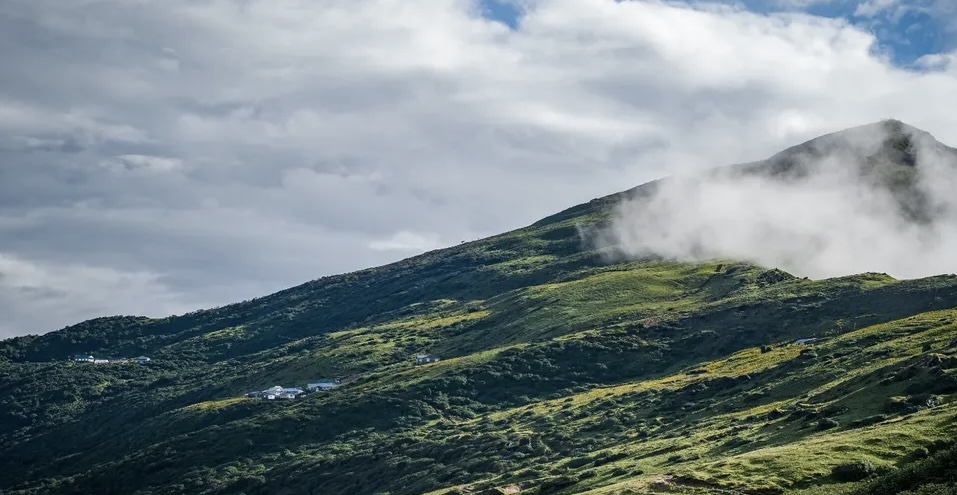
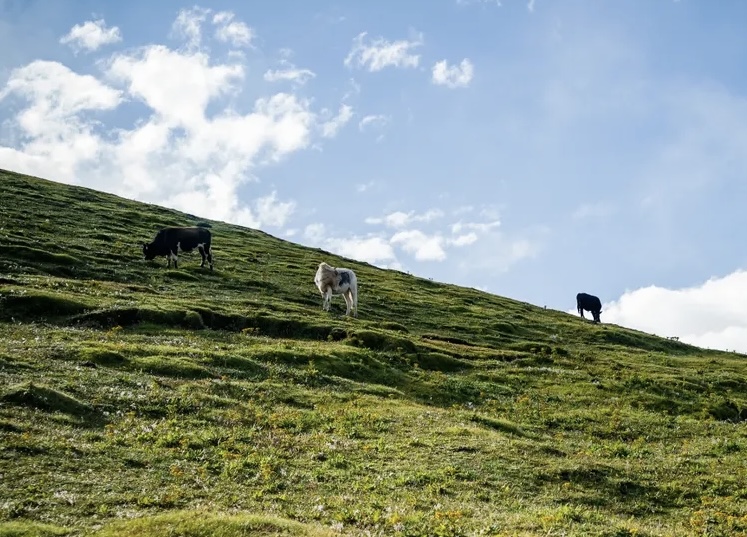
After breakfast in Jhapre, we will trek to the Pikey Peak Base Camp, which takes about 6 to 7 hours. You will ascend gradually to help your body acclimate to the altitude. The trek features beautiful scenery, landscapes, green pastures, and dense rhododendron forests. You will pass through remote grazing areas where yaks and sheep roam freely. The Pikey Base Camp offers limited accommodation and a rustic trekking experience.
Hike to Pikey Peak for Sunrise (4,065m) and trek to Lamjura (3,736m
You will wake up early to hike to the Pikey Peak summit to witness a breathtaking sunrise, which takes about 1.5 hours. From the summit, you can enjoy panoramic views of Mount Everest, Makalu, Lhotse, Dhaulagiri, Kanchenjunga, the Annapurna range, and even Mt. Manaslu on clear days. The top provides stunning 360° views of rolling green hills and Himalayan giants in the golden morning light, perfect for photography. After spending some time at the top, you will descend back to base camp and continue your trek toward Lamjura, passing through dense forests and ridges. Lamjura is a quiet, forested resting place, and you will stay overnight in a teahouse there.
Trek from Lamjura to Junbesi (2,700m
The trek from Lamjura to Junbesi is a relatively easy day with a pleasant descent, taking about 4 to 5 hours. You will walk through rhododendron and fir forests, cross small villages, and pass farmland. Junbesi is one of the beautiful Sherpa villages in the Solukhumbu region, where you can explore traditional stone houses, narrow paths, and numerous prayer wheels. Don’t miss the opportunity to visit the old monastery in Junbesi and enjoy warm Sherpa hospitality, along with organic meals prepared by friendly locals.
Visit Thupten Choling Monastery and return to Junbesi Village (2,700m)
In the morning, you will hike to the Thupten Choling Monastery, a historic Tibetan Buddhist monastery, which takes about 2 hours. This monastery is home to hundreds of monks and nuns and offers a peaceful and spiritual environment. Here, you can learn about Tibetan rituals, chanting, and the monastic lifestyle, with opportunities to receive blessings or join short meditation sessions. After your visit, you will return to Junbesi for an overnight stay, where you can explore the local culture and crafts.
Trek from Junbesi to Phaplu (2,413m)
After breakfast, you will head toward Phaplu, taking about 3 to 4 hours. The trek to Phaplu is an easy downhill path that includes crossing a small suspension bridge. You will traverse through terraced fields and Sherpa villages. Phaplu is a charming small town with a jeep station, allowing you the option to explore the nearby market.
Drive back to Kathmandu (1,324m)
In the morning, you will drive back to Kathmandu, passing through remote villages, river valleys, and lush landscapes. This journey will take about 7 to 8 hours. In the evening, you can celebrate the successful completion of the trek with a farewell dinner and a cultural show in Thamel.
Departure
Your trek concludes at Tribhuvan International Airport. Our representatives will assist you with your transfer based on your flight schedule. This marks the end of a physically refreshing and spiritually fulfilling Himalayan adventure.
Additional Information:
Duration and Difficulty
The Pikey Peak trek takes about 10 days, including travel to and from Kathmandu. The trekking portion lasts approximately 6 days, while the driving portion takes about 3 days, including the departure day. The trek reaches an altitude of 4,605 meters. It varies from easy to moderate in difficulty, with a gradual gain in altitude for acclimatization, making it ideal for a wide range of trekkers.
Permit and Visa
If you’re planning the Pikey Peak Trek you’ll need a couple of essential permits. First, there’s the Sagarmatha National Park entry permit, mandatory for all trekkers. You’ll also need a TIMS Card (Trekkers’ Information Management System), which is a requirement as well. Both permits can be obtained through registered trekking agencies, like ours. Most nationalities can grab a tourist visa on arrival at Tribhuvan International Airport in Kathmandu. For quicker processing, you can apply for an online visa via the official Nepal Immigration website. Remember to bring a valid passport (with at least 6 months left before expiration), passport-sized photos, and the visa fee in cash (USD).
Transportation
The trek kicks off with an 8–10 hour drive from Kathmandu to Dhap, depending on the road conditions. You can opt for either private jeeps or local buses for this journey. Local buses tend to be less reliable, more crowded, and inflexible, whereas a private jeep offers more comfort and flexibility, albeit at a higher cost. Alternatively, you can take a flight from Kathmandu to Phaplu, followed by a short trek to reach the trailhead.
Accommodation and Services
During the Pikey Peak trek, you’ll primarily stay in local houses and homestays. The accommodations are basic, featuring shared or private twin beds, blankets, and simple furnishings. Your meals will mostly consist of traditional Nepali dishes, especially Dal Bhat, along with some basic Western breakfast options. While hot showers, electricity for charging devices, and Wi-Fi may be available, these often come at an extra cost. Keep in mind that amenities are limited at higher altitudes, so it’s wise to carry essential toiletries, power banks, and snacks.
Best Season
– Autumn (September to November): Enjoy the best visibility, clear skies, comfortable temperatures, and stunning landscapes.
– Spring (March to May): Experience a pleasant climate with blooming rhododendrons and stable trekking conditions.
– Winter (December to February): Expect cold temperatures and snow at higher elevations; this season is best suited for experienced trekkers.
– Monsoon (June to August): Frequent rains, muddy trails, and leeches make this season not ideal for trekking.
Booking Policy and Required Documents
To secure accommodation, it’s highly recommended to book in advance during the peak trekking season. The booking process requires a copy of your valid passport, travel insurance that covers emergency helicopter evacuation, and passport-sized photos for the trekking permits. A deposit of 20–30% is needed to confirm your trek, with the remaining balance due upon arrival in Nepal.
For Booking & Cancellation Policy: click here
Emergency Evacuation and Safety Tips
Altitude sickness can be a concern above 3,000 meters, so it’s essential to acclimatize properly and stay well-hydrated. Keep the contact numbers of local guides and travel agencies handy. In emergencies, helicopter evacuation can be arranged from Gorakshep, Pheriche, and Lukla, but make sure this is covered by your travel insurance. Basic health posts are available in villages, while more advanced hospitals can be found in Kathmandu for serious cases. If you experience symptoms like headaches, nausea, or dizziness, inform your guide right away.
EQUIPMENTS
- Trekking boots (comfortable, waterproof, and well-broken-in)
- Camp shoes or sandals (for evenings)
- Gaiters (optional, for snow and dust protection)
- Backpack (40–50L) with a rain cover
- Duffel bag (provided by the company for porters)
- Daypack (20–30L) for daily essentials
- Base layers (moisture-wicking thermal top and bottom)
- Insulating layers (fleece or down jacket)
- Waterproof and windproof jacket and pants
- Trekking pants (convertible or quick-dry)
- Long-sleeve trekking shirts
- T-shirts (quick-dry)
- Warm gloves (inner and outer layers)
- Warm hat and sun hat
- Buff or scarf for dust and wind protection
- Warm socks (wool or synthetic)
- Sunglasses (UV protection)
- Sunscreen and lip balm (high SPF)
- Headlamp with extra batteries
- Water bottles (1L each) or hydration bladder
- Water purification tablets or filter
- Trekking poles (adjustable and lightweight)
- Quick-dry towel
- Personal toiletries and wet wipes
- Basic first aid kit (including altitude sickness medication)