Lobuche Peak Climbing
Be the first to review!
Overview
Lobuche Peak Climbing
Introduction
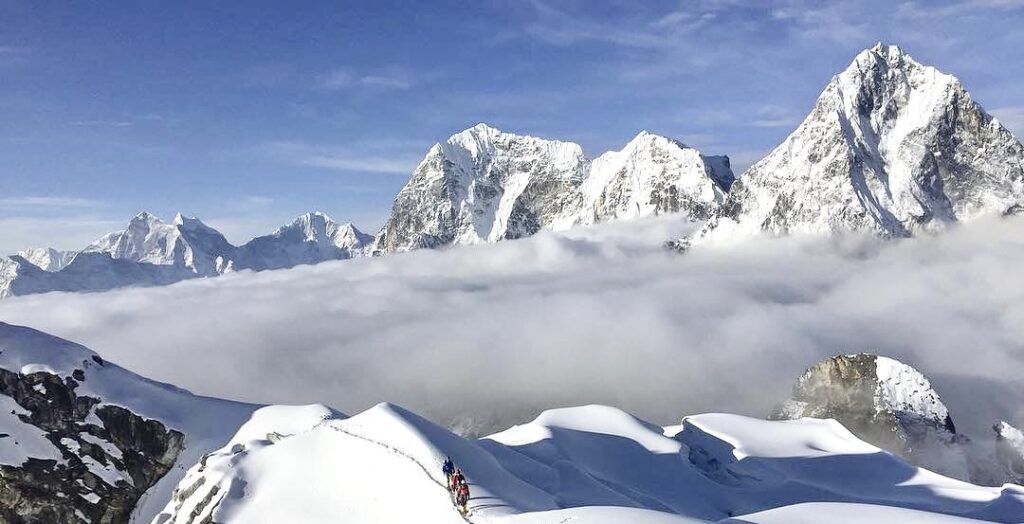
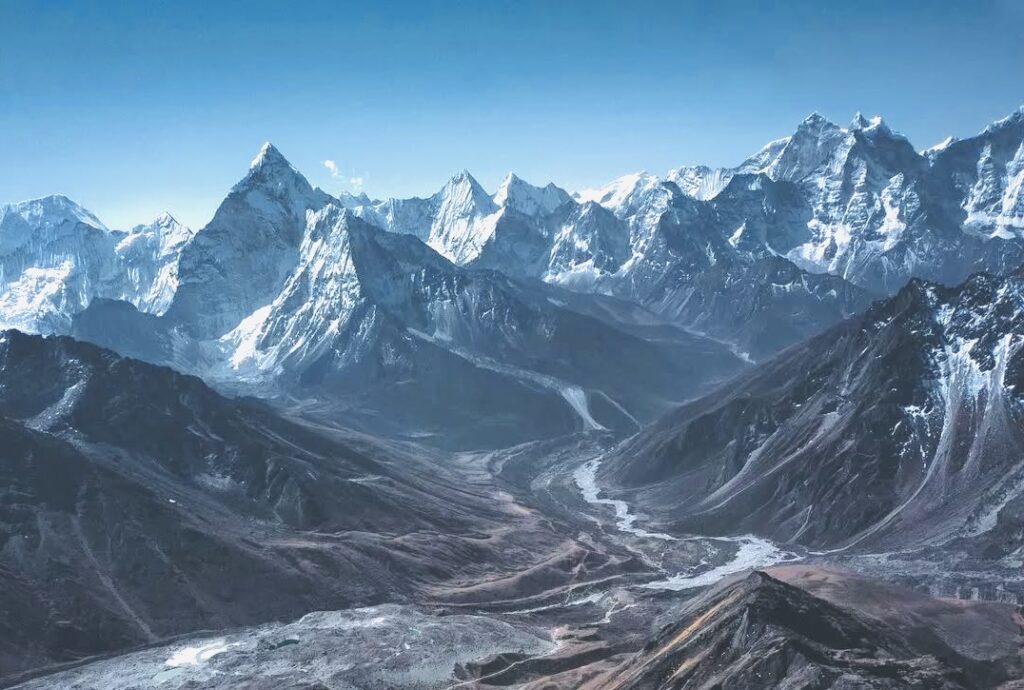
Lobuche Peak climbing is an exciting trekking and climbing expedition to Lobuche Peak, which stands proudly at 6,119 meters. It is one of Nepal’s most captivating trekking summits, nestled in the Khumbu region near Mount Everest within the UNESCO-listed Sagarmatha National Park. Situated close to the Khumbu Glacier, it offers breathtaking panoramic views of iconic mountains such as Everest, Lhotse, Nuptse, Ama Dablam, and Pumori. This climb strikes a perfect balance between technical mountaineering and classic trekking, making it an appealing choice for both seasoned adventurers and aspiring climbers. It’s especially popular among those looking to tackle a semi-technical peak before setting their sights on higher expeditions.
The Everest Khumbu region is rich in culture, home to the Sherpa people, who are renowned for their mountaineering heritage, warm hospitality, and deep-rooted Buddhist traditions. The route winds through charming Sherpa villages, ancient monasteries, and lush rhododendron forests, providing a glimpse into the spiritual life of the Himalayas. As the landscape transitions from vibrant forests to stark high-altitude terrain, trekkers can appreciate Nepal’s incredible ecological diversity.
Highlights
• Achieve the summit of Lobuche East Peak (6,119m) for an exhilarating Himalayan climbing experience.
• Marvel at the awe-inspiring views of Everest (8,848m) and the surrounding Khumbu peaks.
• Immerse yourself in Sherpa culture through visits to monasteries and prayer-flag-lined paths.
• Benefit from acclimatization days in Namche Bazaar and Dingboche for a safer ascent.
• Trek through renowned locations in the Everest region, including Tengboche, Dingboche, and Lobuche.
Why Choose Lobuche Peak Climbing
Choosing to climb Lobuche Peak provides an ideal introduction to Himalayan mountaineering, perfectly bridging the gap between trekking and peak expeditions. It serves as an excellent stepping stone for climbers aspiring to tackle higher summits like Island Peak or even Everest. This adventure combines the timeless appeal of classic Everest trekking with the thrill of technical peak climbing, delivering a comprehensive Himalayan experience. With fewer crowds compared to other popular trekking peaks, it offers a more tranquil atmosphere. Summiting Lobuche Peak rewards climbers with a spectacular 360° panorama, considered one of the finest in the Everest region. The route also overlaps with sections of the Everest Base Camp trail, enhancing the renowned trekking experience. Travelers will find themselves immersed in Sherpa Buddhist culture, with opportunities to participate in morning prayers and monastery rituals. Reaching a Himalayan peak above 6,000 meters in just two weeks is not just an exhilarating experience but also a significant and rewarding achievement.
✅ What's Included:
✔ Airport Transfers
Arrival and departure airport transfers in Kathmandu (private vehicle)
✔ Accommodation
2–3 nights hotel in Kathmandu (twin sharing, B/B basis)
Tea house accommodation during the trek (twin sharing)
Full tented accommodation at Lobuche Base Camp (sleeping tent, dining tent, kitchen tent, toilet tent)
✔ Meals
Welcome dinner and farewell dinner in Kathmandu (Nepali cultural restaurant)
All meals (breakfast, lunch, dinner) during the trek and climbing period
Tea/coffee during meals on trekking routes and base camp
✔ Transportation
Round-trip flight: Kathmandu – Lukla – Kathmandu (economy class)
All required ground transportation as per the itinerary
✔ Permits & Fees
Lobuche Peak Climbing Permit (NMA)
Sagarmatha National Park Entry Permit
Khumbu Pasang Lhamu Rural Municipality Permit
TIMS (Trekkers’ Information Management System) Card
✔ Guides & Staff
Government-licensed English-speaking trekking guide
Experienced Sherpa climbing guide for summit day
Necessary porters (1 porter for 2 climbers)
All staff salaries, insurance, meals, accommodation, and equipment
✔ Climbing Support
Pre-climb training at Lobuche Base Camp
Fixed ropes, ice screws, snow bars (group climbing gear)
High-altitude climbing support from the Sherpa team
✔ Equipment & Logistics
Group climbing equipment
Tents, mattresses, and kitchen equipment at base camp
First aid kit and oximeter carried by the guide
✔ Other Services
Trip briefing and gear check in Kathmandu
Certificate of achievement after a successful summit
All government taxes and service charges
❌ Price Excludes:
✖ International Flights
International airfare to and from Kathmandu
✖ Nepal Visa Fees
Tourist visa fee (USD 30/50/125 depending on duration)
✖ Personal Climbing Gear
Mountaineering boots, crampons, ice axe, harness, helmet
Down jacket, sleeping bag, trekking poles (can be rented in Kathmandu)
✖ Meals in Kathmandu
Lunch and dinner in Kathmandu (except welcome & farewell dinners)
✖ Personal Expenses
Hot showers, Wi-Fi, and battery charging during the trek
Snacks, bottled drinks, alcoholic beverages
Laundry, phone calls, tips
✖ Travel & Rescue Insurance
Mandatory insurance covering high-altitude trekking (up to 6,500m)
Emergency helicopter evacuation and medical expenses
✖ Tips
Tips for guides, Sherpas, and porters (recommended but not compulsory)
✖ Unforeseen Costs
Extra nights due to flight delays (especially Lukla)
Cost arising from natural calamities, strikes, or personal illness

Itinerary Overview
Day 1: Arrival in Kathmandu (1,330m)
Day 2: Fly to Lukla Trek to Phakding (2,800m/2,610m) 3,4 hrs
Day 3: Trek to Namche Bazaar (3,400m) 5,6 hrs
Day 4: Acclimatization Day
Day 5: Namche to Tengboche (3,800m) 5 hrs
Day 6: Tengboche to Dingboche (4,410m) 5 hrs
Day 7: Acclimatization Day
Day 8: Dingboche to Lobuche (4,900m) 5,6 hrs
Day 9: Lobuche to Lobuche Base Camp, Tented Camp (5,170m) 3,4 hrs
Day 10: Acclimatization Day in Lobuche Base camp
Day 11: Summit to Lobuche Peak (6,119m) Return back to Lobuche (4,900m) 7,8 hrs
Day 12: Trek to Pangboche (3,985m) 5,6 hrs
Day 13: Pangboche to Namche (3,400m) 5,6 hrs
Day 14: Namche to Lukla (2,800m) 6,7 hrs
Day 15: Fly back to Kathmandu (1,330m)
Day 16: Departure
Detail Itinerary
Arrival in Kathmandu (1,330m)
Upon landing at Tribhuvan International Airport in Kathmandu, you’ll be warmly welcomed by our representative, who will greet you with a garland. After that, you’ll be assisted with your transfer to the hotel, situated in the vibrant tourist district. Take some time to rest and unwind. During your free time, you’ll attend a briefing about the Lobuche Peak program, covering essential topics such as trekking and climbing permits, insurance verification, logistics, altitude, safety, and emergency evacuation protocols. A gear check will follow, where you’ll ensure you have everything you need, including boots, harness, crampons, and a down jacket. If you’re missing any items, Thamel’s mountaineering shops are nearby for rentals or purchases. In the evening, feel free to explore the lively Thamel streets, with plenty of cafés and restaurants to enjoy. You’ll cap off your day with a welcome dinner at a cultural restaurant featuring traditional food and entertainment. Overnight stay in Kathmandu.
Fly to Lukla Trek to Phakding (2,800m/2,610m) 3,4 hrs
Early in the morning, head to the domestic airport for your 35-minute flight to Lukla, where you’ll be treated to stunning views of the Himalayas, including Mount Everest. Once you arrive in Lukla, your trek begins with a gentle descent through the charming villages of Chheplung, Thado Koshi, and Ghat. Along the way, you’ll pass by countless stones, prayer walls, and fluttering Tibetan prayer flags, while enjoying views of Kusum Kanguru (6,367m) as you walk past local Sherpa homes and small potato fields. Your leisurely trek down the Dudh Koshi River will bring you to Phakding, where you can take a stroll through the village to acclimatize and adjust to the higher altitude.
Trek to Namche Bazaar (3,400m) 5,6 hrs
After breakfast, set out towards Namche Bazaar. Your journey will involve crossing several suspension bridges, including the famous Hillary Bridge. En route, you will walk through various villages, such as Tok Tok, Benkar, and Monjo, where a permit check takes place as you enter Sagarmatha National Park. Continue on to Jorsale for lunch before crossing one last bridge and then climbing steeply through a pine forest to reach Namche. From the Danda viewpoint, you’ll catch your first glimpse of Mount Everest. After approximately 6 hours of trekking, you will arrive in Namche, the vibrant capital and main trading hub of the region. Spend your evening exploring the markets, cafés, bakeries, and gear shops. Since mild altitude sickness can occur at this elevation, be sure to stay hydrated and rest well. Overnight stay in Namche.
Acclimatization Day
This day is crucial for adjusting to the high altitude. In the morning, you’ll embark on a hike to the Everest View Hotel, which takes about 1.5 hours and offers an uphill challenge. The reward is breathtaking views of Everest, Lhotse, Amadablam, and Thamserku. Next, continue your hike to Khumjung village (3,790m) to visit the renowned Hillary School and Khumjung Monastery, home to a display of the legendary yeti scalp. After returning to Namche for lunch, take some time to relax. In the afternoon, visit the Sherpa Culture Museum and National Park Museum to learn about Sherpa traditions and the history of mountaineering. The evening is yours to enjoy—either relax or explore the local cafés, engaging in conversations with residents to discover their rich history, culture, and way of life.
Namche to Tengboche (3,800m) 5 hrs
Begin your trek to Tengboche, following a scenic trail that contours high above the valley. Along the way, soak in panoramic views of Everest, Ama Dablam, Nuptse, and Lhotse. You’ll gradually descend to Phunki Tenga for lunch beside the river before crossing the Dudh Koshi River and climbing steeply through lush rhododendron and pine forests. After around 5 hours on the trail, you’ll reach Tengboche Monastery, the largest in the Khumbu region. If time allows, you might join the afternoon monk prayer ceremony. Keep an eye out for Himalayan Thar and musk deer in the surrounding woods. In the evening, explore the village and take in the stunning evening views of Ama Dablam’s symmetrical peak. Overnight stay in Tengboche.
Tengboche to Dingboche (4,410m) 5 hrs
Your journey from Tengboche leads you toward Dingboche, beginning with a descent through the lovely Dengboche forest. You’ll cross the Imja Khola river via a suspension bridge. As you continue your trek, you’ll pass Pangboche village, home to the oldest monastery in the Khumbu region. The path then gently climbs along alpine terrain, providing expansive views as trees become less dense. You’ll wander through Somare and Orsho villages before gradually ascending into an open valley that reveals breathtaking sights of Ama Dablam, Island Peak, Lhotse, and Taboche. After approximately 5 hours of trekking, you’ll arrive in Dingboche, also known as Summer Valley. The area is sheltered by stone walls and adorned with prayer flags and traditional houses. Since the oxygen level here is quite low, be sure to drink plenty of water to prevent altitude sickness. Enjoy your overnight stay in Dingboche.
Acclimatization Day
Today is crucial for your acclimatization, allowing you to rest and engage in light activities as your body adjusts to the altitude. Start your day with a short hike to Nangkartshang Hill (5,083m), where you can relish panoramic views of Makalu, Cho Oyu, and Island Peak. This hike promotes red blood cell production, which is essential for adapting to high altitudes. After your hike, enjoy lunch and take some time to relax. In the afternoon, feel free to stroll around the village and yak pastures, chatting with locals about their culture, traditions, and stories. In the evening, review your climbing gear and discuss the upcoming route with your guide. Remember to stay hydrated and avoid alcohol for the best acclimatization.
Dingboche to Lobuche (4,900m) 5,6 hrs
Your day kicks off with an easy trail leading to Thukla, where you can stop for tea and an early lunch. Then, prepare for a steep climb to the Everest Memorial (4,830m), a stupa honoring fallen climbers, which takes about 40 minutes. Continuing, you’ll trek along the rugged Khumbu Glacier lateral moraine, with stunning views of peaks like Pumori, Lingtren, and Khumbutse. Before reaching Lobuche village, a gradual ascent through rocky terrain awaits. This village is dotted with sparse lodges and tends to be quite windy. Use your free time to explore the village, rest up, stay hydrated, and gear up for the base camp day. Overnight, you’ll stay in Lobuche.
Lobuche to Lobuche Base Camp, Tented Camp (5,170m) 3,4 hrs
Today, you’ll leave behind the Everest base camp route and head east toward Lobuche Base Camp. Your trek begins with a gradual climb over rocky terrain interspersed with grassy patches, treating you to stunning close-up views of Lobuche East, Nuptse, and Ama Dablam. After about 4 hours of trekking, you’ll set up camp at base camp, where the expedition team will prepare lunch for you. In the afternoon, expect a climbing equipment check followed by practical training, covering essential skills such as rope handling, harness adjustment, and using ice axes on fixed lines. In the evening, catch a beautiful sunset over Nuptse and Lobuche West Ridge. You’ll spend the night in a tented base camp.
Acclimatization Day in Lobuche Base camp
This day is vital for your climbing preparation, focusing on rest and acclimatization. You’ll participate in technical training with the Sherpas, which will include essential activities like fixed-line climbing, abseiling, and self-arrest techniques. You’ll also practice using crampons on icy and snowy slopes. Don’t forget to conduct a final gear check and pack lightly while keeping an eye on the weather for your summit plans. It’s important to stay hydrated and consume warm fluids throughout the day. Light physical movement will help prevent stiffness. Aim for an early dinner and get to bed early to prepare for the climb ahead.
Summit to Lobuche Peak (6,119m) Return back to Lobuche (4,900m) 7,8 hrs
This is the highlight of your journey, an exhausting yet incredibly rewarding day. You’ll wake up around 2 am, starting your day with hot tea and a light breakfast. Your ascent to the summit will commence in the cold morning darkness, guided by headlamps as you navigate steep rocky moraine and icy slopes (with a 40–50° gradient) using fixed ropes. You’ll be under the watchful eye of Sherpa guides as you use crampons and jumars. Before reaching the summit, you’ll traverse a narrow ridge. Expect to arrive at the summit of Lobuche East around sunrise, where you’ll be greeted with stunning views of Everest, Lhotse, Nuptse, Ama Dablam, Pumori, Makalu, Cho Oyu, and Khumbu Glacier. Take some time to celebrate and capture photos while at the top, then rest for a maximum of 20 minutes before carefully descending back to base camp via fixed lines. Once back at base camp, you’ll enjoy lunch, then pack your gear and make your way down.
Trek to Pangboche (3,985m) 5,6 hrs
Today, you will retrace your steps back to Pangboche. The journey begins with a gradual descent through Thukla and Pheriche, allowing your breathing to ease as you lose altitude. As you trek down, take in the stunning transformation of the landscape from rocky terrain to lush grass and beautiful rhododendron shrubs. You’ll stop for lunch in Pheriche before continuing your trek to Pangboche. After about 6 hours of walking, you’ll arrive in Pangboche, where you can visit the historic Pangboche Monastery, one of the oldest in the region, known for its fascinating yeti relics. The village offers breathtaking views of the majestic Ama Dablam mountain. In the evening, settle in for tea and enjoy the comforts of a lower altitude. You’ll spend the night in Pangboche.
Pangboche to Namche (3,400m) 5,6 hrs
Your descent continues today as you make your way through Denbouche and Tengbouche towards Namche Bazaar. If time allows, you might choose to revisit Tengboche Monastery. You’ll cross the Dudh Kosi River via suspension bridges at Phunki Tenga and gradually climb up to Namche. The forested paths provide one last chance to catch views of Everest and Ama Dablam. Arriving in Namche in the afternoon, you can unwind and take it easy. Later in the evening, celebrate your successful trek with your guides and fellow trekkers. Feel free to explore the local markets or stop by a bakery for some treats. Overnight stay in Namche.
Namche to Lukla (2,800m) 6,7 hrs
Today marks the final and longest trekking day of your journey. You’ll begin with a steep descent through Monjo and Jorsalle, exiting the Sagarmatha National Park area from Monjo. Take a quick lunch break at Phakding before continuing along the stone-paved paths adorned with mani stones, prayer walls, and fluttering Tibetan prayer flags. After about two hours of gradual ascent alongside the Dudh Kosi River, you’ll reach Lukla. Once there, feel free to express your gratitude and tip the Sherpa team if you’d like. Cap off the day with a celebratory dinner with the team. You’ll spend the night in Lukla.
Fly back to Kathmandu (1,330m)
Early in the morning, you will catch a morning flight from Lukla to Kathmandu, weather permitting. This 30-minute scenic flight offers panoramic views of the breathtaking Himalayas, including Everest, Nuptse, and Ama Dablam. Once you arrive in Kathmandu, you can take a moment to relax before heading out to explore the vibrant cafes and markets in Thamel for some souvenir shopping. In the evening, enjoy a farewell dinner at a Nepali cultural restaurant, complete with local cuisine and cultural performances.
Departure
On your last morning, you’ll have breakfast at the hotel and some free time for packing or perhaps some last-minute sightseeing if your flight allows. If not, make sure to prepare early for departure. Our representative will pick you up for your airport transfer, which is scheduled for three hours before your international flight. As you wrap up the Lobuche Peak Climbing Expedition, cherish the unforgettable memories you’ve made along the way.
Additional Information:
Duration and Difficulty
This climbing adventure spans 16 days from Kathmandu to Kathmandu. The itinerary includes a full day dedicated to the summit push, along with acclimatization at Base Camp. With a challenging difficulty level, climbers will navigate glacier travels, steep snow slopes (up to 45°), and make use of fixed ropes. Participants should have prior experience with high-altitude trekking or basic mountaineering training. Being comfortable walking 6–8 hours daily with a pack is essential. Some technical skills, such as using crampons, harnesses, and ice axes, are beneficial.
Permits and Visa
When planning your Lobuche Peak climb, you’ll need to secure several permits, including the Lobuche Peak Climbing Permit from the Nepal Mountaineering Association (NMA). Additionally, you’ll require the Sagarmatha National Park Entry Permit and the Khumbu Pasang Lhamu Rural Municipality Permit. These permits can be easily obtained through a registered trekking agency, like ours. Most nationalities can receive a tourist visa upon arrival at Tribhuvan International Airport in Kathmandu, and for quicker processing, an online visa is also available via the official Nepal Immigration website. Make sure to have a valid passport (with a minimum of 6 months’ validity), passport-sized photos, and the visa fee in cash (USD).
Transportation
Your adventure begins with a flight from Kathmandu to Lukla, which typically takes about 30 to 35 minutes and serves as the main gateway to the Everest region. Be prepared for possible weather delays due to mountain conditions. Once you land, private vehicles will handle your transportation needs. During the trek itself, there’s no need for any transportation; you’ll be walking.
Accommodation and Services
Along the trail, you’ll find tea houses offering basic rooms and shared bathrooms. Meal options include local dishes such as dal bhat, noodles, soups, pasta, fried rice, omelets, and a handful of basic Western items. At the high camp, you’ll sleep in tents, with full climbing support that includes sleeping tents, dining tents, kitchen tents, and shared toilet facilities. Meals are prepared by either expedition cooks or guides, and as you ascend to higher altitudes, amenities may become more limited.
Best Season
The ideal time to climb is during spring (March to May), when you can expect stable weather and clear views, perfect for a successful summit push. Autumn (September to November) is another great option, as it offers crisp skies and moderate temperatures, attracting many trekkers and climbers. Winter (December to February) can be bitterly cold, with fewer climbers around, making it less suitable for beginners. The monsoon season (June to August) is best avoided, as it brings heavy rainfall and poor visibility.
Booking Policy and Required Documents
To secure your accommodation, especially during peak trekking season, it’s wise to book in advance. The booking process requires a valid passport copy, travel insurance that includes emergency helicopter evacuation, and passport-sized photos for your permits. To confirm your trek, a deposit of 20 to 30% is necessary, with the remainder to be paid upon your arrival in Nepal. Be sure to check our cancellation policy.
For Booking & Cancellation Policy: click here
Emergency Evacuation and Safety Tips
Altitude sickness is a primary concern when climbing above 3,000 meters, so make sure to acclimatize properly and drink plenty of water. Keep the contact numbers for your local guide and travel agency handy. In case of an emergency, helicopter evacuations can be arranged from Gorakshep, Pheriche, and Lukla; however, these need to be covered by your travel insurance. Ensure that your travel insurance includes coverage for high-altitude trekking (up to 4,500 meters) and emergency evacuations. Basic health posts are available in villages, but for more serious health issues, advanced hospitals in Kathmandu are your best option. If you start feeling symptoms like headaches, nausea, or dizziness, inform your guide immediately.
EQUIPMENTS
- Mountaineering boots (double or insulated single boots, crampon-compatible)
- Crampons (steel, 12-point)
- Ice axe (walking mountaineering type)
- Climbing helmet
- Harness
- Locking carabiners (2–3)
- Non-locking carabiners (2)
- Ascender (Jumar)
- Descender (ATC or figure-8)
- Prusik cords / sling (2–3)
- Climbing rope (usually provided by the company)
- Backpack (40–50 liters)
- Duffel bag (80–100 liters, carried by porter)
- Sleeping bag (rated to at least –20°C)
- Trekking poles
- Headlamp with extra batteries
- Sunglasses (UV protection, Category 3 or 4)
- Water bottles (2 liters total) or hydration system
- Thermos flask (recommended)
- Base layer (thermal top)
- Fleece or soft-shell jacket
- Insulated down jacket
- Waterproof & windproof shell jacket
- Thermal base layer
- Trekking pants
- Insulated pants
- Waterproof shell pants
- Warm hat / beanie
- Sun hat or cap
- Neck gaiter or buff
- Inner gloves (thermal)
- Outer gloves or mittens (insulated & waterproof)
- Mountaineering boots
- Trekking boots
- Gaiters
- Warm socks (wool or synthetic)
- Liner socks
- Sunscreen (SPF 30+)
- Lip balm (UV protection)
- Personal hygiene items
- Quick-dry towel
- Hand sanitizer
- Wet wipes
- Toilet paper
- Personal medications
- Basic first aid kit
- Blister treatment
- Diamox (consult your doctor)
- Pain relievers
- Altitude sickness medication (as advised)
- Energy bars / trail snacks
- Electrolyte powders
- Camera / phone with spare batteries
- Power bank / solar charger
- Travel adapter
- Climbing ropes
- Snow bar / ice screws
- Tents & kitchen equipment
- Satellite phone / communication device
- First aid & emergency kit