Most travellers get a Nepal tourist visa on arrival. It costs US$30 for 15 days, US$50 for 30 days or US$125 for 90 days, and all three are multiple-entry. Citizens of India don’t need one, and the visa can be extended up to 150 days in a single January-December visa year. The exceptions are 13 nationalities that must apply at a Nepali embassy first (covered below).
What it costs, and which length to pick
Extensions cost US$3 a day with a 15-day minimum. The extension minimum is what makes the choice interesting. From those rates:
| Plan | Cost |
| 30-day visa | $50 |
| 15-day visa, extended once to 30 days | $30 + $45 = $75 |
| 30-day visa, extended 15 days (45 days total) | $50 + $45 = $95 |
| 90-day visa |
$125 |
These totals are my arithmetic on the official rates. From day 56 onward, the 90-day visa ($125) is cheaper than extending a 30-day visa. Even for stays between 45 and 55 days, where the price difference is minimal, buying the 90-day visa upfront saves you a half-day errand to an immigration office.
For trekkers, the practical rule is to buy more than your itinerary says. Mountain flights get delayed by weather, and you’ll want Kathmandu days before and after the trek. If your trek plus buffer is close to 30 days, a 90-day visa costs $75 more but removes the extension errand. The 15-day visa only suits a short stopover.
Who can’t get a visa on arrival?
The Embassy of Nepal lists Nigeria, Ghana, Zimbabwe, Swaziland, Cameroon, Somalia, Liberia, Ethiopia, Iraq, Palestine, Afghanistan and Syria as countries whose nationals must get a tourist visa at an embassy before departure. Iran was added in March 2026, bringing the total to 13, and people travelling on refugee travel documents must also apply in advance.
Some embassy pages and many blogs still show 12 countries, so check the Department of Immigration if your nationality is anywhere near this list. A visa issued in advance must be used within six months of the issue date.
Getting the visa at Kathmandu airport
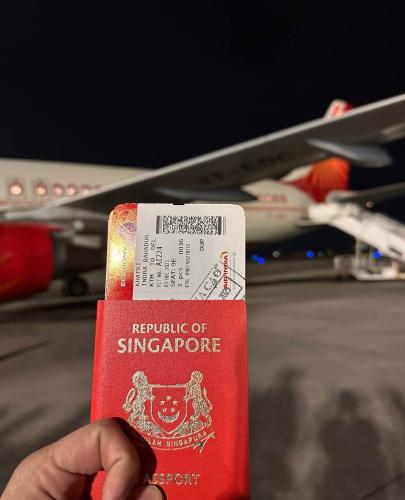
Check your passport before you fly. It must be valid for at least six months from your date of entry and have at least one blank visa page. Pages marked for endorsements or amendments can’t take the visa sticker, and a passport with less than six months’ validity can mean denied boarding or entry.
- Pre-fill the online form (optional). Use the official portal, nepaliport.immigration.gov.np. The barcode receipt is valid for 15 days from submission, and a form filed more than 15 days before arrival expires, so don’t fill it in a month early. You need your passport details, the name of your first hotel and your flight number. The alternative is the kiosks in the arrivals hall.
- Pay the fee at the bank counter and keep the receipt. Kathmandu airport takes cash (US dollars are the safest; euros, pounds, Australian dollars and rupees are also accepted), cards and local QR wallets. Card machines occasionally hit network errors, so carry US dollars in cash as a backup. Land borders are mostly cash-only in USD, in undamaged notes, and card machines there are generally unavailable or unreliable.
- Join the “visa on arrival” line at the immigration desk, not the “with visa” line. Hand over your passport, form receipt and payment receipt. Queue times are a lottery: one forum poster walked straight through, another warns of a 30-60 minute wait.
Kathmandu is the entry point most trekkers use. Pokhara International Airport and Gautam Buddha International Airport (Bhairahawa) are also designated visa-on-arrival points, but only when international or charter flights are operating, so Kathmandu is the reliable choice. Land borders such as Kakarvitta, Birgunj and Belahiya do issue them, per the Nepal Embassy.
Who pays nothing
Children under 10 get a free visa unless they are US citizens, who pay the standard fee at any age. SAARC citizens (except Afghans) get up to 30 days free on their first visit in a visa year, Chinese nationals get a 150-day gratis tourist visa, and NRN card holders are also exempt. Some guides say all under-10s are exempt, which contradicts the official note, so a US family should budget for the child’s visa.
Extending, and the 150-day cap.
You can extend at the Department of Immigration in Kathmandu or the Pokhara immigration office. The official fee is US$3 a day with a 15-day minimum, plus a US$5 a day late fine if you’re overdue. Fill in the extension form on the portal first, then bring the printed or saved barcode with your passport. The cap counts per visa year (January-December), not per trip. If you visited earlier in the year, those days count. Overstaying beyond your permitted days incurs a late penalty of US$5 a day on top of the standard US$3 a day extension fee, totalling US$8 a day, and longer or deliberate overstays can bring administrative fines up to NPR 50,000, deportation, or an entry ban.
What the visa does not cover
There is no “trekking visa.” The tourist visa gets you into the country, and trekking permits are a separate layer. These include TIMS, national park or conservation area permits, and restricted-area permits where relevant. Rules regarding mandatory guides and TIMS permits have tightened across national parks and conservation areas, though local enforcement can vary by region (such as the Khumbu/Everest area). Because requirements change, confirm the specific guide and permit rules for your chosen route with the Nepal Tourism Board or your licensed operator before paying for your trip. If you’re building a trek around this visa, Trek Curator can tell you which visa length fits a given route, and we handle permits for guided groups.